
01
Patented NCCO Oxidation
The patented NCCO (Nano Confined Catalytic Oxidation) uses active oxygen to decompose harmful airborne material into carbon dioxide and water, providing a catalytic decomposition step beyond filtration.

NCCO TECHNOLOGY: The patented NCCO technology (Nano Confined Catalytic Oxidation) uses active oxygen to sanitize, kill, and remove harmful pollutants by decomposing the harmful material from the air into harmless compounds like carbon dioxide and water molecules KILLS BACTERIA AND VIRUSES: The air purifier system sanitizes up to 99.97% of harmful air, kills up to 99.99% of bacteria and viruses, and removes 99.72% of suspended particulates in smoke
As an Amazon Associate, AirPurifierFAQ earns from qualifying purchases. Product availability, price and specifications can change.
This Westinghouse 1804 is a compact, travel-oriented air purifier that pairs a True HEPA (H13) filter with a patented NCCO (Nano Confined Catalytic Oxidation) module. The manufacturer describes it as a personal-size purifier for use in cars, airplanes, trains and hotel rooms and lists a weight of about 2 pounds plus a woven/leather strap for carrying. Product copy provides specific manufacturer efficacy claims for NCCO and HEPA filtration; several important performance details commonly used to compare purifiers (CADR, treated room area, noise and exact power/battery configuration) are not listed here and should be confirmed before purchase.
Westinghouse positions this model around two complementary technologies: a medical-grade H13 True HEPA filter and a patented NCCO stage. According to the supplied product text, the NCCO (Nano Confined Catalytic Oxidation) stage uses active oxygen to decompose certain pollutants into carbon dioxide and water. The listing gives manufacturer figures on particulate and microbial removal; these are presented as the product’s claims. If you value combined mechanical filtration and an active catalytic step, this design matches that intent. The product copy does not include independent test reports or standardized performance metrics that would allow direct comparison to other systems.
This model is explicitly marketed as a portable, personal purifier for travel and on-the-go use. At about 2 pounds and with an included strap, it’s clearly aimed at short-range mobility—car seats, bedside on business trips, or under-seat use on public transport are the target scenarios. The manufacturer copy states it can be used on airplanes and in hotels. That positioning implies the device is intended for small, personal zones rather than whole rooms; however, a lack of CADR or specified room coverage means you should treat it as a personal-zone purifier until you’ve verified performance for larger spaces.
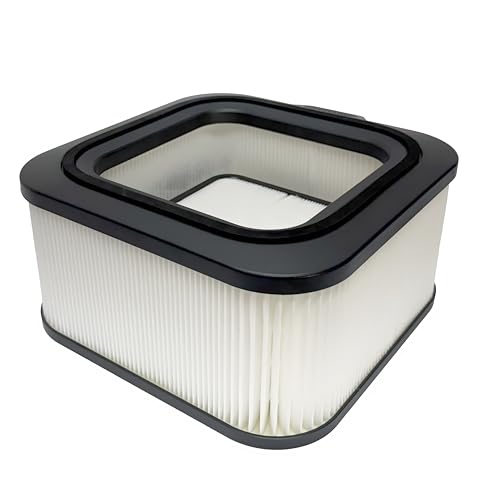
The product listing states the primary mechanical stage is an H13 True HEPA filter, which the manufacturer describes as filtering 99.97% of particles down to 0.3 microns. The NCCO stage is described as an active step intended to sanitize and decompose pollutants. The copy also includes numeric efficacy claims for sanitization and microorganism reduction attributed to the product. While these details explain the filtration strategy, the listing omits standardized performance numbers such as CADR and rated coverage area, which are necessary to estimate airflow throughput and time to clean an enclosed space. Those omissions limit objective performance comparisons with other purifiers.
Manufacturer materials indicate a filter indicator is provided and reference a typical HEPA lifespan of up to 3,000 hours (roughly 3–4 months) for ‘usual HEPA filters.’ That phrasing suggests you should confirm the expected life of the supplied filter and the cost and availability of replacements before buying. The product copy also claims up to eight hours of cleaning in a space for certain pollutant levels but does not list the power source (battery capacity or AC only) or charging method. For everyday use, verify how the unit is powered, how long it operates between charges (if battery-powered), and the filter-change procedure.
For a travel-oriented purifier this small-format placement tends to be flexible: countertop, bedside table, car cup-holder areas or luggage-mounted positions are typical. The product listing does not provide specifics about fan-speed settings, automated sensors, or timing controls, so assume control options may be minimal unless otherwise specified. Because the listing omits noise levels and airflow ratings, consider how close the device will sit to occupied seats or bedding; proximity will matter for perceived effectiveness and acceptability of any fan noise. Confirm available control modes and how the unit is powered before finalizing a purchase.
Likely to appeal to shoppers who need a compact, highly portable purifier for travel, personal zones and short-term use in vehicles or hotel rooms, and who prioritize a dual-stage approach (True HEPA plus an active NCCO module). It is best for buyers willing to accept a personal-size device without published CADR/room-coverage figures and who will verify power and filter-supply details for their intended use.
Before buying, verify the unit’s power arrangement (battery runtime vs. AC-only), charging method and whether the manufacturer’s up-to-date replacement filters are available and how much they cost. Ask the seller for CADR or equivalent airflow figures and recommended room/zone size if you intend to use it beyond immediate personal space. Request any available independent test reports or certification documents that support the manufacturer’s efficacy claims. Also confirm noise levels at typical fan speeds and whether the stated ‘up to 8 hours’ operating time applies to battery or to a particular usage scenario.
...
The strongest reasons to consider it, based on the product data we have
The patented NCCO (Nano Confined Catalytic Oxidation) uses active oxygen to decompose harmful airborne material into carbon dioxide and water, providing a catalytic decomposition step beyond filtration.
H13 medical-grade True HEPA captures particles as small as 0.3 microns and is rated to remove 99.97% of airborne pollutants; filter life guidance is about 3,000 hours with a replacement indicator.
Weighing only 2 pounds with a woven leather strap, this personal-size purifier is intended for cars, airplanes, trains, and hotels and can run up to eight hours.
The product description does not specify the power source. It notes the purifier is portable and can run "for up to 8 hours," but does not state whether that is from an internal battery or an external power supply. Verify the power type (battery, USB, or AC) on the Amazon listing or the manufacturer manual before purchase.
The listing does not provide a CADR or room-size rating. It calls the unit "personal-size" and "portable," which suggests small spaces like cars, hotel rooms, or airplane seats. For a precise coverage estimate, check the product specifications or manufacturer materials for CADR or recommended square footage.
The listing says the H13 True HEPA filter can last up to 3,000 hours (about 3–4 months) and that a filter indicator will alert you when replacement is needed. Confirm the exact replacement interval, part number, and replacement procedure in the product manual or manufacturer documentation.
The description says NCCO (Nano Confined Catalytic Oxidation) uses active oxygen to decompose pollutants into carbon dioxide and water. The listing does not include safety data, ozone emission levels, or certifications. To assess safety, verify independent test results, emission measurements, and any relevant certifications from the manufacturer before prolonged use around people or pets.
The product notes it is "great for travel" and can be used in cars, airplanes, and trains. However, airline and transit rules vary, especially regarding battery-powered devices and electronic equipment. Confirm with your airline or carrier and check the product’s power source and any TSA or transport restrictions before traveling with it.
That figure is presented as a manufacturer claim but the listing does not provide test conditions, standards, or the laboratory that produced it. Such percentages typically refer to controlled test conditions for airborne particles. Verify the test methodology, standards used, and whether claims are certified by an independent lab if you need evidence of performance under real-world conditions.


Answers are educational and may link to relevant guides or products on this site. Product facts can change, so confirm current details before purchase.
