
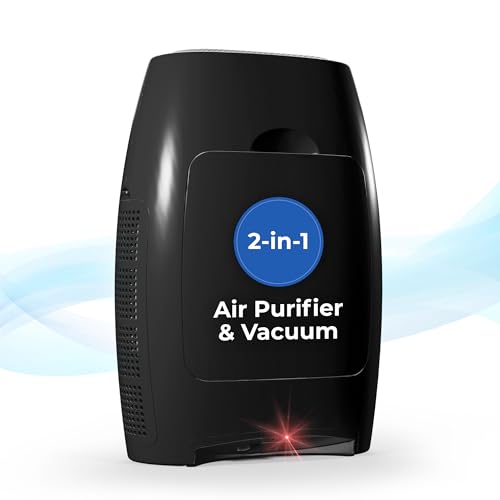
EYE-VAC
EyeVac Air 2-in-1 HEPA Air Purifier & Touchless Vacuum Automatic…
BrandEYE-VACCoverage600 sq ft
See today’s price on Amazon
View product detailsExplore top-rated pet air purifiers designed to reduce pet dander, odors, and allergens. Find detailed reviews and buying guides to help you create a cleaner, healthier home for you and your pets.





Use available room coverage, CADR, filtration, noise and replacement-filter information together. A large coverage number alone does not tell you how quickly a purifier can clean a room, and missing specifications are intentionally left blank rather than guessed.
Match airflow and coverage to the space where the purifier will actually run.
FiltrationCheck both particle filtration and carbon media when odors or smoke are part of the problem.
OwnershipConsider noise, controls and replacement-filter availability, not only the initial product price.
HEPA filters capture airborne particulates like pet dander and pollen—several products here advertise True HEPA or H13 filters with 99.7–99.97% capture claims for small particles. Activated carbon filters target odors and VOCs by adsorbing odor molecules. Check each model’s stated filter type and replacement guidance to match your needs.
Pick a purifier whose listed coverage equals or exceeds your room size. This page shows options from about 63 sq ft (compact) up to 3,000 sq ft (whole‑home). Also review filter type and any CADR or airflow specs the manufacturer provides—if CADR isn’t listed here, verify it with the seller for a better performance estimate.
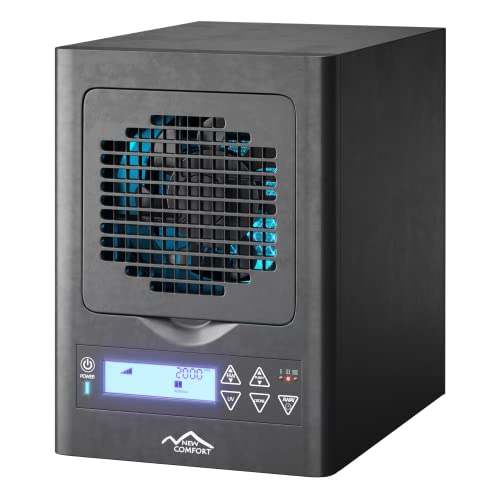
Some models on this page (New Comfort BL3000) use an ozone generator and include explicit warnings: use only in unoccupied spaces, ventilate after use, and follow cleaning/maintenance instructions. If considering an ozone device, verify intended use, ozone output settings, and safety instructions from the manufacturer before using it around people or pets.
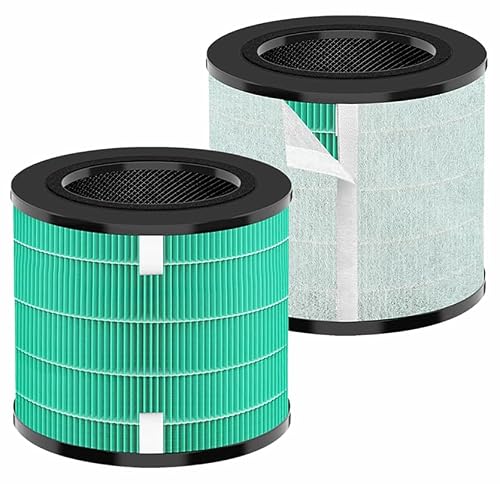
Replacement intervals vary by model and usage. For example, one replacement filter listing suggests changing every 3–4 months, while the Rabbit Air A3 notes a 12‑month HEPA life under continuous use. Check your purifier’s manual or filter-change indicator (many units include one) for the manufacturer’s recommended schedule.
At least one model here (SereneLife) includes an aroma box for essential oils. Whether that’s safe depends on the specific oils and your pet’s sensitivity. Verify the manufacturer’s guidance on using fragrances and consult your veterinarian if you’re unsure—and note that oils may also affect filter life or performance.
Yes. The EyeVac Air 2‑in‑1 combines a touchless vacuum/automatic dustpan with HEPA + activated carbon filtration. Infrared sensors activate the vacuum to remove dust, pet hair, and debris from hard floors, and an automatic purification cycle runs after vacuuming. Verify compatibility of replacement filters using the listed filter SKUs.
Answers are educational and may link to relevant guides or products on this site. Product facts can change, so confirm current details before purchase.
