Editorial plan
This roundup exists to solve a single shopper problem: choosing a bedroom air purifier that balances genuine HEPA‑class filtration, very low overnight noise, and the right declared coverage for your room. Product listings use different vocabulary and include inconsistent fields, so our recommendations match only the supplied product data to specific bedroom use‑cases: bedside USB portability, whisper‑quiet sleep modes, whole‑bedroom coverage, or higher‑grade H13 filtration for heavy particulate loads. We prioritized attributes that matter for night use (filter grade, sleep/low noise, auto sensors, declared room coverage, and portability) and avoided inventing CADR numbers, annual filter costs, or test results not present in the product pages.
Who this guide is for
Use this guide if you want a bedroom air purifier and one or more of the following matters to you:
- You’re a light sleeper and need the quietest possible overnight operation and a true Sleep Mode.
- You want a manufacturer‑stated HEPA grade (True HEPA or H13 HEPA) for particulate capture and smoke control.
- You need a compact, USB‑powered unit for a bedside table, dorm, or small bedroom.
- Your master bedroom is large (900–1,100+ sq ft declared coverage) and you need a whole‑room unit that will circulate air at scale.
Below we cover practical model matches, trade‑offs and how to use the supplied specs to pick the right unit for your sleeping space.
How we selected these picks (selection criteria)
- We used only the product attributes included in the supplied listings: declared filter type, stated room coverage (square footage), noise (dB) where given, sleep/auto features, smart sensors, and manufacturer‑stated features or certifications shown on the product page.
- For bedroom relevance we prioritized, in this order: filter type (True HEPA or H13 HEPA), sleep/low noise rating, presence of auto or air‑quality sensors, declared room coverage, and portability (USB power or small footprint).
- We did not invent CADR numbers, measured noise levels, or annual filter costs. If CADR or yearly filter $ were not supplied we show “Not provided” or “Manufacturer does not provide” and link to the product page for readers who want those specifics.
- Practical buyer signals used: listed filter replacement guidance, sleep/auto modes, energy claims and certifications (only where the product lists them), and bedside features such as aroma pads, night lights, or timers that affect overnight comfort.
Quick verdict
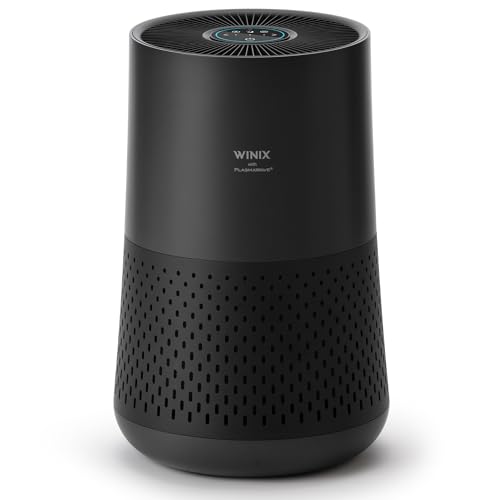
Winix A230 is the #1 pick — it pairs True HEPA filtration with real air‑quality sensing and an Auto Mode that quietly adjusts fan speed through the night. That combination delivers effective particulate capture, low overnight noise and hands‑off operation, making it the best single choice for most bedrooms.
Quick‑picks comparison
The table below gives a high‑level comparison so you can scan the core bedroom metrics. Click a product to read the deeper mini‑review that follows.
Top picks — deep dive
Winix A230 — Best overall for bedrooms
Price: $99.99 — Declared coverage: 1,110 sq ft — Filter: True HEPA — Smart features: Auto Mode, Air Quality Sensor
Why this suits a bedroom
- The listing combines a True HEPA filter with a built‑in air‑quality sensor and Auto Mode. For night use, the sensor can tell the unit when particulate levels are low and allow Auto Mode to run at quieter speeds — a useful hands‑off behavior for overnight comfort.
- Declared coverage of 1,110 sq ft makes this a good match if you prefer whole‑bedroom or suite‑level circulation rather than only a small bedside device; the listing provides multiple time benchmarks for room sizes in the product text.
- The listing mentions a carbon element for odors alongside the True HEPA element, which addresses both particles and common bedroom odors in manufacturer copy.
Limitations
- The product listing does not include a sleep‑mode dB number in the supplied fields, so we cannot present an exact overnight noise number here. Readers who need an explicit measured dB should check the product page or third‑party reviews for measured noise levels.
- CADR and annual filter cost are not provided in the supplied data. If those operating cost metrics matter to you, click through to the product page to find replacement part numbers and current pricing.
Best for: users who want whole‑bedroom coverage and a hands‑off Auto Mode with a named True HEPA filter. Check current price & specs — Buy on Amazon
Price: $149.99 — Declared coverage: 1,000 sq ft — Filter: H13 HEPA — Smart features: Auto Mode, Sleep Mode, 24‑hr timer
Why this suits a bedroom
- The listing explicitly names an H13 HEPA filter and emphasizes 360° intake and long filter life in manufacturer copy, which positions the OSAP5 for higher‑grade particulate capture in large spaces.
- Auto Mode plus a dedicated Sleep Mode are both present in the features list, giving you the option of sensor‑driven adjustments or a known quiet overnight setting.
- The OSAP5’s feature text highlights conveniences useful for bedrooms: a 24‑hour timer, child lock, filter life and air‑quality display, and a 5‑speed motor for a range of operation profiles.
Limitations
- The supplied data does not include a numeric CADR value even though the listing claims a high CADR “in its class.” That makes direct performance comparisons difficult without visiting the product page for the full spec sheet.
- Noise in exact dB is not supplied in the top fields. Sleep Mode is listed, but buyers who want a strict decibel threshold should confirm the dB figure on the manufacturer page.
Best for: very large bedrooms or open‑plan suites where higher‑grade H13 filtration and strong declared coverage matter. Check current price & specs — Buy on Amazon
FreAire — Value quiet whole‑room option
Price: $49.99 (current listing shows a discount) — Declared coverage: 1,086 sq ft — Noise: 20 dB (Sleep Mode) — Smart features: Sleep Mode, aroma pad
Why this suits a bedroom
- The FreAire listing pairs large declared coverage (1,086 sq ft) with a listed 20 dB Sleep Mode, which is attractive if you want broad circulation while keeping the unit extremely quiet at night.
- An integrated aroma pad is included if you like scents at bedtime; the listing notes you can add essential oils to that pad for fragrance during the run cycle.
- Manufacturer copy highlights multiple fan speeds and a low‑power design in this model family, which is useful when you want to keep overnight energy consumption lower.
Limitations
- The product’s top‑level filter field does not list a certified HEPA grade. The body text mentions a 3‑stage filtration system, but the supplied data does not explicitly name True HEPA or H13 in the filter field.
- CADR and replacement filter costs are not included in the supplied data. If you are budgeting for replacement filters, consult the product page for filter part numbers and current pricing.
Best for: buyers who want large declared coverage plus a very quiet listed Sleep Mode and integrated aroma functionality. Check current price & specs — Buy on Amazon
FULMINARE — Compact H13 HEPA with night‑light and timer
Price: $56.99 (current listing shows a discount) — Declared coverage: 215 sq ft (feature text) — Filter: H13 HEPA — Noise: 24 dB — Smart features: Sleep Mode, timers, night light
Why this suits a bedroom
- The listing explicitly states an H13 HEPA filter and lists coverage (215 sq ft) for small‑to‑medium bedrooms; that clarity helps shoppers who need a named HEPA grade in a bedside unit.
- At about 24 dB in Sleep Mode and with multiple timers and a soft night light, the unit targets light sleepers and makes for a useful baby‑room or children’s room unit.
- The product page provides a replacement filter model (FULMINARE PU‑P05) to simplify buying consumables, which helps with ongoing maintenance planning.
Limitations
- The declared coverage is modest; it is not positioned as a whole‑suite machine. If your bedroom is well above 215 sq ft, choose a larger declared‑coverage model.
- CADR and explicit annual filter costs are not part of the supplied data; click through to the product page for replacement filter pricing and availability.
Best for: small‑to‑medium bedrooms where a named H13 HEPA filter, quiet sleep operation and bedside features are a priority. Check current price & specs — Buy on Amazon
AROEVE (compact) — Best bedside USB / aromatherapy mini
Price: $29.99 (current listing shows a lower current price) — Declared coverage: 215 sq ft — Noise: 20 dB — Smart features: Sleep Mode, aromatherapy pad
Why this suits a bedroom
- Compact, very quiet operation at 20 dB in Sleep Mode and a small footprint make this model ideal for bedside placement in dorms or small bedrooms where space is limited.
- An integrated aromatherapy pad lets you diffuse a few drops of essential oil while the purifier runs, combining scent and air cleaning in one bedside appliance.
- The listing includes a recommended filter replacement interval (3–6 months), which gives buyers a maintenance cadence to plan for.
Limitations
- Filter type is not listed in the top fields. The product promises filtration of common particulates in the body text but does not name a certified HEPA grade in the supplied filter field. If a named HEPA grade is required, pick a True or H13 model above.
- As a compact unit it provides limited per‑hour air exchange relative to whole‑room purifiers and is intended primarily as a bedside or small‑room device.
Best for: bedside use in small rooms, dorms, and users who want a very quiet aromatherapy option. Check current price & specs — Buy on Amazon
AROEVE MK20 — Low‑energy small room option with AromaCraft
Price: $65.99 (current listing shows a discount) — Declared coverage: 335 sq ft — Noise: 23 dB — Smart features: Sleep Mode, aroma box, filter reminder
Why this suits a bedroom
- The MK20 listing emphasizes low power draw (a 7W claim appears in the feature text) and a 2025 Super Energy Star claim, which makes it a candidate if overnight electricity use is a concern for your household.
- Listed coverage of 335 sq ft and a 99.97% capture claim for 0.3‑micron particles are included in the product copy; sleep noise is listed at about 23 dB and the unit offers an atmosphere light you can turn off for darkness.
- An AromaCraft rotating aroma box and a built‑in filter reminder (2000‑hour memory) are bedside‑friendly conveniences for users who want scent and an automatic replacement cue.
Limitations
- The top filter field does not explicitly list a certified HEPA grade in the supplied data even though the text claims 99.97% capture; if you need a named HEPA rating like “True HEPA” or “H13,” confirm on the product page.
- CADR and replacement filter pricing are not provided in the supplied dataset; consult the product page for part numbers and costs if ongoing expense is a factor.
Best for: buyers who want a mid‑size bedroom unit with low energy use, aroma options and automatic filter reminders. Check current price & specs — Buy on Amazon
AromaRoom — Quiet medium‑room purifier with aroma pad
Price: $57.99 — Declared coverage: 157 sq ft (feature text) — Noise: 22 dB — Smart features: Sleep Mode
Why this suits a bedroom
- The AromaRoom listing highlights low noise (22 dB in Sleep Mode) and a 3‑stage high‑efficiency filtration system aimed at smoke, pollen and pet dander. That combination is practical for small bedrooms and dorm rooms where quiet operation is essential.
- Feature text provides a replacement filter SKU (B0D9Q11D89) and recommends replacing the filter every 3–6 months, which helps with maintenance planning.
- The unit supports an aroma pad for essential oils, giving you the option of a scented sleeping environment while the purifier runs.
Limitations
- The top‑level filter field in the supplied data does not state a certified HEPA grade; while the listing refers to a three‑stage filtration stack and smoke removal, it does not list “True HEPA” or “H13” in the filter field. If a named HEPA rating is required, pick a model that explicitly lists it.
- CADR and annual filter costs are not provided in the product data we used for this roundup; if you need precise running‑cost estimates, consult the product page for replacement part pricing.
Best for: small to medium bedrooms or dorms that need very quiet overnight operation and want a built‑in aroma option. Check current price & specs — Buy on Amazon
frestar desktop — Ultra‑compact USB bedside option
Price: $19.99 — Declared coverage: 161 sq ft — Filter: HEPA + Activated Carbon — Noise: 30 dB — Smart features: none listed
Why this suits a bedroom
- This frestar unit is USB‑powered and extremely compact, making it ideal for a small bedside table, dorm desk, or travel. It draws low power and can be run from a laptop, power bank or USB outlet.
- The supplied data lists a HEPA + activated carbon filter and a suggested replacement cadence of 3–6 months. That combination addresses particulates and basic odors for a small personal space.
- With a noise figure of about 30 dB reported in the product fields, it is marketed as quiet enough for sleeping environments where the unit is placed a short distance from the pillow.
Limitations
- As a compact bedside unit it provides limited per‑hour air exchange relative to larger room purifiers; it is intended for localized cleaning in a small zone rather than whole‑suite purification.
- There are no auto sensors or smart modes listed on the supplied data; operation is manual and you should plan to set the fan speed for overnight comfort yourself.
Best for: travelers, students and bedside users who want a very small USB‑powered purifier with basic HEPA and carbon filtration. Check current price & specs — Buy on Amazon
Comparison summary: match picks to bedroom use‑cases
Below is a quick mapping of the eight models in this roundup to common bedroom buying goals. Use it as a short checklist to narrow choices.
- Best overall (balance of filtration + smart control): Winix A230 — True HEPA with Auto Mode and an air‑quality sensor for hands‑off night operation.
- Best large‑room H13 HEPA: OdorStop OSAP5 — declared 1,000 sq ft coverage and a named H13 HEPA filter (manufacturer listing).
- Best very large declared coverage + quiet: FreAire — declares ~1,086 sq ft with a 20 dB Sleep Mode (filter grade not listed in the top field).
- Best compact bedside USB: frestar desktop — USB‑powered, small footprint, HEPA + activated carbon, 161 sq ft coverage.
- Best small‑bed / nursery H13 HEPA: FULMINARE — H13 HEPA listed with 215 sq ft coverage, low noise and a night light/timers.
- Best ultra‑quiet bedside aromatherapy: AROEVE (compact) and AromaRoom — both list sleep noise in the low 20s dB and include aroma pads for essential oils.
- Best low‑energy option: AROEVE MK20 — listing cites a Super Energy Star claim and low power operation in product text along with aroma features and a filter reminder.
Note: Many models include aroma or essential oil pads. If aromatherapy is important, pick a model that lists that feature and follow the manufacturer’s guidance on how to use oils safely with the device.
How to choose a bedroom air purifier (practical buying guidance)
Use the steps below to convert the product fields in the table into a practical decision for your bedroom.
-
Measure your bedroom footprint and match declared coverage.
- Measure the length × width of your bedroom to get square footage. If your bedroom is irregular, split it into rectangles and add them together.
- Choose a model whose declared coverage equals or exceeds your room area. The product listings in this roundup include declared coverage values; prefer exact matches rather than rounding up from tiny margins.
- Example: if your bedroom is 200 sq ft, a unit that lists 215–335 sq ft declared coverage (FULMINARE or AROEVE MK20) fits; for suites or open plans choose 1,000+ sq ft models (OdorStop, Winix, FreAire).
-
Prioritize filter type when particulate capture matters.
- If the listing explicitly states “True HEPA” or “H13 HEPA,” that is a named grade in the product data and should be prioritized when you need proven HEPA‑class filtration (these picks include Winix A230, OdorStop OSAP5, and FULMINARE listing H13).
- If the top filter field does not list a named HEPA grade, the unit may still have a multi‑stage filter stack (some AromaRoom, FreAire and AROEVE models do) — but confirm the filter specification on the product page if you require a named HEPA level.
-
Use sleep/low noise numbers to match your sensitivity.
- The supplied data includes sleep/low dB numbers for several models: AROEVE (20 dB), FreAire (20 dB), AromaRoom (22 dB), FULMINARE (24 dB), frestar desktop (30 dB). Prefer a lower listed dB if you are a light sleeper.
- Context: manufacturers’ sleep dB figures are their stated values; if you have an extreme noise sensitivity, check third‑party measurements or user reviews for real‑world sleep experience.
-
Choose Auto Mode & sensors for hands‑off night operation.
- Units with an air‑quality sensor and Auto Mode (Winix A230 and OdorStop OSAP5 in our roundup) can reduce fan speed when the room is clean and ramp up only when needed, which generally helps keep noise down at night without manual changes.
- If you prefer a constant low fan speed instead of sensor behavior, pick a model with a dedicated Sleep Mode and an explicit decibel rating to ensure overnight comfort.
-
Account for maintenance and filter replacement.
- Several listings recommend replacing filters every 3–6 months (frestar, AROEVE compact, AromaRoom, and FULMINARE provide such guidance in the supplied copy). Use those intervals to budget replacements.
- If part numbers and filter pricing are not provided in the top‑level product fields, click through to the product page to confirm replacement filter SKUs and current prices before you buy — we did not assume annual filter
FAQ
Questions buyers often ask
How do I decide between a bedside USB portable purifier and a whole‑room unit?
Match the declared room coverage to your space, and prioritize the attributes the guide highlighted: filter grade (True HEPA or H13), sleep/low noise, auto/sensor features, and portability. Choose a compact USB model for a nightstand or dorm; pick a unit with high declared coverage (900–1,100+ sq ft in this guide) and an air‑quality sensor/Auto Mode for whole‑bedroom circulation.
Many listings omit sleep‑mode dB numbers—how should I compare overnight noise levels?
Use the sleep/low noise field when supplied (the table shows some models with 20–30 dB). If dB isn’t listed, look for a named Sleep Mode, Auto Mode with sensors, or manufacturer noise claims on the product page, and check third‑party reviews. If you need measured dB, verify the product page or contact the manufacturer for specifics.
CADR and annual filter costs aren’t shown for several models—how can I find them?
Click through to each product page to find CADR, replacement part numbers, and current filter pricing. If the product page doesn’t list those metrics, check the manufacturer’s support pages, retailer listings for replacement filters, or contact the seller. The roundup marks missing fields as “Not provided,” so verify directly where operating‑cost details matter to your decision.
What’s the difference between "True HEPA" and "H13 HEPA" for bedroom use?
Both are manufacturer‑stated HEPA grades prioritized in this guide for particulate capture and smoke control. The editorial explicitly highlights H13 as a higher‑grade option suitable for heavy particulate loads; True HEPA is also listed as a primary filter type. If you need specific capture efficiency or certification details, verify the manufacturer’s filter specifications on the product page.
How do auto or air‑quality sensors help reduce sleep disturbance?
As shown in the Winix A230 example, an air‑quality sensor enables Auto Mode to detect low particulate levels and run the fan at quieter speeds overnight, providing hands‑off, lower‑noise operation. If a model lacks sensors, choose one with an explicit Sleep/Low noise rating so you can manually set a quieter operation for night use.
Does the guide say where to place a bedroom air purifier for best overnight performance?
The roundup doesn’t provide detailed placement instructions. Use the declared coverage and portability to guide placement: bedside USB/compact models are intended for near‑bed use; whole‑bedroom units should be positioned to circulate air in the declared coverage area. For exact clearance and placement rules, check the product manual or manufacturer’s page.