
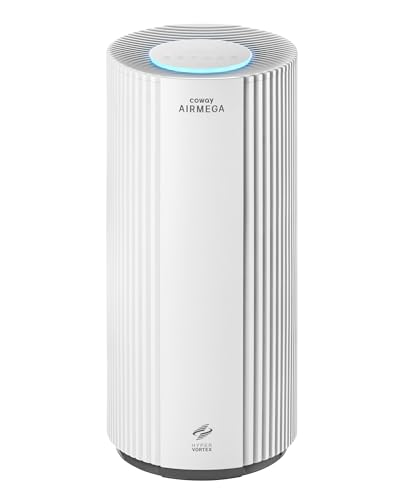
Coway
COWAY Air Purifier for Large Room Whole Home Up to 3,285 ft², HEPA…
BrandCowayCoverage3,285 sq ft
Original price was: $499.00.$350.49Current price is: $350.49.
View product detailsProduct information comes from the current AirPurifierFAQ catalog and should be verified on Amazon before purchase.

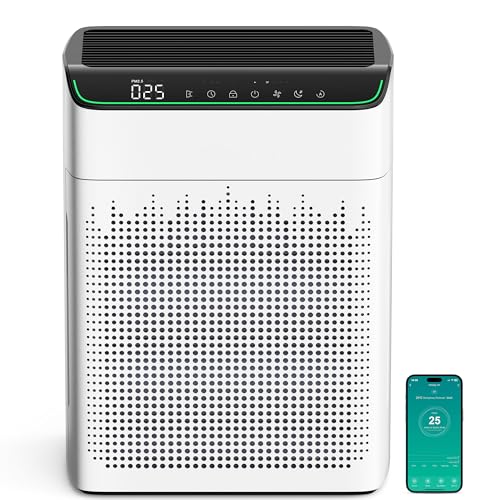


This hub routes you to the single best deep-dive guide for your room, need, or budget and gives immediate examples you can click. Pick by need (pets, smoke, allergies), by room (bedroom, large rooms, whole‑home) or by budget; the lists below give one‑line reasons, a key spec, and a direct product link so you can move from comparison to the focused child guide that addresses your exact requirement.
One sentence to pick your path: if you have wildfire smoke or whole‑home coverage needs, go to the smoke/whole‑home guide; if you need a quiet bedroom or nursery unit, go to the bedroom guide; if you’re on a tight budget, go to the under‑$100 guide. The short ItemLists below show a few representative products (with a key spec and price when available) so you can validate the child guide choice before you click through. This page is mid‑funnel: you’re comparing options and ready to dive into a focused guide rather than reading long individual reviews here.
Which filter type matters most? True HEPA or H13 is the baseline for removing fine particles (pollen, dust, dander). Add activated carbon when you need to reduce odors, VOCs or smoke gases. Prefilters capture large hair and dust and extend HEPA life — useful in homes with pets.
How do I match a purifier to my room? Use the manufacturer’s coverage and the unit’s CADR (or CFM) to estimate cycles per hour. A simple calculation: ACH ≈ (CADR in CFM × 60) ÷ room volume (cubic feet). Higher CADR/coverage gives faster cleaning — choose a higher‑rated unit for smoke events or for rooms where someone has severe sensitivities.
Trade‑offs: speed vs. quiet vs. energy — Higher fan speeds and higher CADR clear air faster but make more noise and use more power. If sleep‑quiet operation matters, prioritize low dB on sleep mode and accept slower cleaning at that setting, or pick a larger unit rated above your room so it can run quietly and still provide adequate airflow.
Are smart features worth it? App control, schedules and auto modes don’t improve filtration but add convenience (remote monitoring, auto‑adjust for detected pollution). If you want hands‑off operation or integrations with smart home gear, prioritize models with reliable apps and voice support.
What about special technologies (UV, ionizers)? Check independent testing and certifications on those features and look for explicit ozone/zero‑ozone verification if you are concerned about byproducts. HEPA + carbon remains the most straightforward, well‑understood combo for particles and odors.
Ready to pick one? Click the child guide that matches your need for a focused buying walkthrough, or jump straight to the product pages above to check current pricing, availability and replacement‑filter options before you buy.
Answers are educational and may link to relevant guides or products on this site. Product facts can change, so confirm current details before purchase.
