

AF-WAN
Heavy Duty Fabric Water-Resistant Nylon Air Purifier Dust Cover…
BrandAF-WANFilterHEPA
$16.49
View product detailsDiscover a selection of dust air purifiers designed to reduce airborne dust particles and improve indoor air quality. Find trusted brands, features, and user reviews to help you choose the best purifier for your needs.
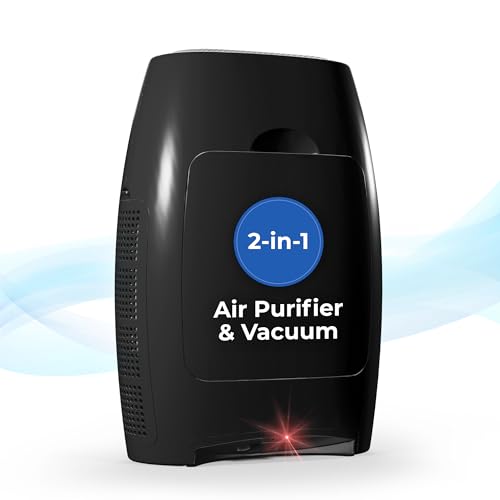


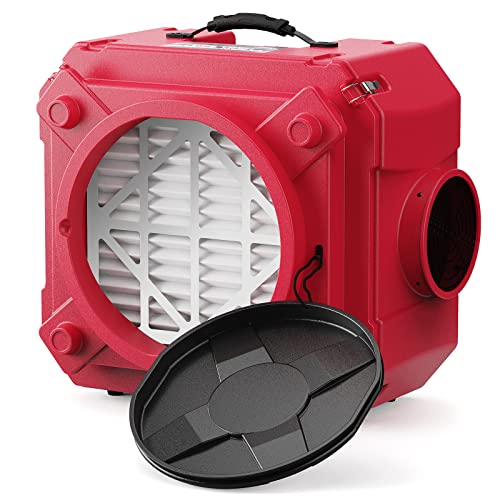

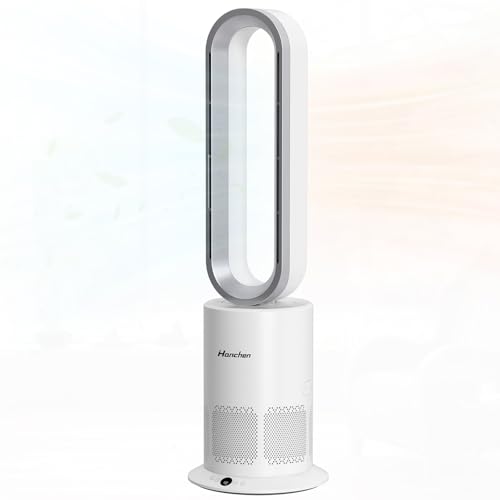

Use available room coverage, CADR, filtration, noise and replacement-filter information together. A large coverage number alone does not tell you how quickly a purifier can clean a room, and missing specifications are intentionally left blank rather than guessed.
Match airflow and coverage to the space where the purifier will actually run.
FiltrationCheck both particle filtration and carbon media when odors or smoke are part of the problem.
OwnershipConsider noise, controls and replacement-filter availability, not only the initial product price.
Pick a model whose stated coverage equals or exceeds your room area. Several listings include coverage: Alen 25i (800 sq ft), Blueair Signature SP1i (1,190 sq ft), EyeVac (600 sq ft), and the Dnil mini (215 sq ft). If CADR isn’t listed here, check the product page for CADR and suggested room size before buying.
Replacement intervals vary by model and use. The ProHEPA 9000 replacement set advertises 6–8 months of efficient use; Alen’s filters are said to last up to a year with 24/7 operation. Some units (e.g., ALORAIR, EyeVac) include indicator lights that remind you to change filters. Always follow the specific manufacturer recommendations on the product page.
Yes — the ALORAIR Air Scrubber is explicitly described for home repairs and construction sites: it offers a 3-stage system, adjustable airflow 270–550 CFM, and stackable operation for higher combined airflow. For heavy dust, verify airflow (CFM), filter stages, and whether the unit supports ducting or stacking on the product detail page.
The listings use different filter labels and efficiency claims: Alen specifies an H13 HEPA essential filter capturing particles as small as 0.1 micron (claims 99.9% removal), ALORAIR states HEPA traps 99.97% of particles larger than 0.3 microns, and some products are labeled “True HEPA.” Check each product’s spec sheet for the stated particle-size cutoff and percent capture rather than relying solely on the label.
Several models include smart or automatic features: Alen 25i has a SmartSensor with color-coded air-quality feedback and auto speed adjustment; Blueair Signature SP1i offers app control, Auto Mode, and real-time air-quality monitoring; the EyeVac combines touchless vacuum activation with an Auto Mode purification cycle. Review each product page for full smart-function details.
The LIFTHONSO wearable purifier is filterless and uses negative-ion emission, claims a 3-foot effective radius, silent fan-free operation, and up to 120 hours per charge. The listing does not provide independent performance metrics. Verify claimed coverage, ion concentration, safety information (including ozone emissions), and any third-party test results on the product detail page before relying on it for allergy or health needs.
Answers are educational and may link to relevant guides or products on this site. Product facts can change, so confirm current details before purchase.
