
01
High-efficiency HEPA capture
Equipped with a HEPA filter rated to capture 99.97% of particles as small as 0.1 microns, the unit targets fine particulate matter like dust, pollen and pet dander.

HEPA House Air Purifier: Equipped with a protective HEPA filter, this large room air purifier efficiently captures 99.97% of particles as small as 0.1 microns*, trapping dust, pollen, and pet dander that can cause allergies, sneezing, and coughing. Your Air of Confidence: Equipped with an Intellisense air quality monitor, this purifier (HEPA) measures the air quality 60x per min using a PM 2.2 sensor and auto adjusts its speed when poor air is detected, so you can enjoy continually cleaner air.
As an Amazon Associate, AirPurifierFAQ earns from qualifying purchases. Product availability, price and specifications can change.
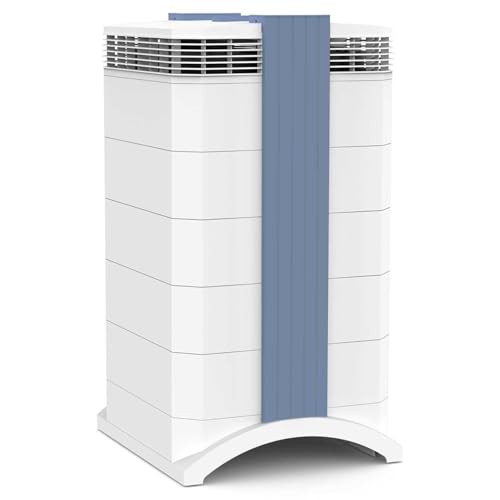
This GermGuardian model is presented as a HEPA-equipped home air purifier with an activated carbon stage, a PM2.2-based Intellisense air-quality monitor that samples 60 times per minute, and an optional UV‑C light. The manufacturer specifies an initial HEPA efficiency of 99.97% for particles as small as 0.1 microns (from the air passing through the filter media). The product listing also states certified attributes (CARB, ETL, Zero Ozone Verified) and gives stated circulation times for two room sizes. The unit is offered through the supplied retailer listing at $129.99 and is shown as in stock.
The product is positioned for home use, with the listing naming bedrooms, living spaces, basements, offices and kitchens as target rooms. The manufacturer-provided circulation figures — filtering a 153 sq. ft. space every 12.5 minutes and a 743 sq. ft. space every hour — give a sense of the marketing intent, from small to larger rooms. These figures describe how quickly the unit’s airflow could theoretically cycle the air in those defined spaces; they are not the same as CADR or independently measured clean-air delivery in standardized tests. Treat the stated room-cycle times as an indicator of intended application rather than a complete performance picture.
The unit ships with a HEPA filter plus an activated carbon stage. The listing states an initial HEPA efficiency of 99.97% for particles down to 0.1 microns from air passing through the media — a specification the manufacturer highlights. The activated carbon layer is described for VOCs and odor reduction (cooking, pets, smoke). An optional UV‑C light is included as a selectable feature according to the listing. Altogether, the combination addresses particulates and odors in principle, but the listing does not provide metrics such as CADR by particle type, filter micron ratings beyond the HEPA claim, or quantified VOC removal rates, so those outcomes are presented at the manufacturer’s stated level rather than independently verified here.
This model’s headline smart element is an Intellisense air‑quality monitor using a PM2.2 sensor that the listing says samples the air 60 times per minute and will automatically adjust fan speed when poorer air is detected. That suggests a level of automation for variable pollution loads. The product description does not supply details about the user interface (display type, indicators, or app connectivity), nor does it state whether you can override auto mode or set schedules. If you rely on precise feedback or remote control, verify what on‑device indicators or external controls are provided on the seller page or in the manual.
The listing identifies HEPA and activated carbon filters as the filtration elements but does not state filter lifetimes, replacement costs, or whether replacement filters are included in the box. The presence of an optional UV‑C element means there may be additional maintenance or bulb replacement considerations, but the description gives no interval or replacement part information. The unit carries CARB, ETL and Zero Ozone Verified designations according to the listing, which addresses certain regulatory and ozone-emission aspects. Before purchasing, confirm filter part numbers, expected replacement intervals and local availability of consumables to estimate ongoing ownership costs.
The manufacturer-provided circulation claims imply the device is intended to run in living spaces where continuous air cycling is needed. The product page does not include key operational metrics such as CADR, decibel (noise) ratings at different fan speeds, or power consumption numbers. These are important for placement: close proximity to walls or corners can affect intake and effective airflow, and noise levels determine suitability for bedrooms or offices. Check the seller’s detailed specifications, the manual or customer Q&A for recommended clearances, noise figures and power draw before deciding where to put the unit.
Shoppers looking for a packaged HEPA + activated carbon purifier with on‑board PM2.2 sensing and automatic fan adjustment, plus the option to enable a UV‑C lamp. The stated circulation rates suggest it is aimed at use across small rooms up to larger open areas according to the manufacturer’s numbers. Buyers who require certified assurances about ozone output and certain regulatory approvals (CARB, ETL, Zero Ozone Verified) will find those claims relevant. If you need precise CADR, noise or documented independent test results, verify those separately before purchasing.
Confirm the missing operational and ownership details not provided in the listing: CADR figures by particle type (smoke, pollen, dust); decibel levels at each fan speed to judge suitability for bedrooms or offices; specified filter replacement interval and the SKU and price of replacement filters; whether replacement filters are included; power consumption and standby draw; warranty length and terms; and whether the UV‑C option has serviceable bulbs and documented safety instructions. Also check the exact behavior and indicators of the Intellisense PM2.2 sensor, and whether remote control or app integration is available if you need it.
The GermGuardian unit presents a familiar home‑use strategy: HEPA filtration plus activated carbon, an automated PM2.2 sensor and an optional UV‑C stage, together with stated certifications (CARB, ETL, Zero Ozone Verified) and manufacturer circulation figures for two room sizes. Those features make it a reasonable candidate if you prioritize automatic air‑quality sensing and combined particulate/odor filtration. However, the listing omits CADR, noise and filter‑replacement details that many buyers use to compare models; confirm those specifics and consumable costs before committing.
The strongest reasons to consider it, based on the product data we have
Equipped with a HEPA filter rated to capture 99.97% of particles as small as 0.1 microns, the unit targets fine particulate matter like dust, pollen and pet dander.
An Intellisense air quality monitor samples air 60 times per minute with a PM2.2 sensor and automatically adjusts fan speed when the system detects poorer air quality.
Equipped with an activated carbon filter, this purifier traps and absorbs volatile organic compounds and common odor sources from smoking, cooking, and pets.
The unit uses an Intellisense air quality monitor that measures air quality 60 times per minute with a PM 2.2 sensor. It will automatically adjust fan speed when poor air is detected to help maintain cleaner indoor air.
According to the listing, it circulates and filters the air in a small room (153 sq. ft.) every 12.5 minutes and in a large room (743 sq. ft.) every hour. Verify actual placement and performance recommendations in the product manual or listing.
The protective HEPA filter is stated to capture 99.97% of particles as small as 0.1 microns*, trapping dust, pollen, and pet dander. The activated carbon filter traps and absorbs volatile organic compounds (VOCs) and reduces odors from smoking, cooking, and pets.
Yes. The product listing notes the UV-C light is optional and the unit is independently verified as Zero Ozone. For any safety precautions or usage guidance, consult the product manual or manufacturer documentation.
The unit is designed and independently tested in the USA and is listed as CARB Certified, ETL Certified, and Zero Ozone Verified. For full certification details and testing reports, check the product listing or contact the manufacturer.
This model uses a HEPA plus activated carbon filter (HEPA + Activated Carbon). The listing does not state a replacement interval; check the user manual or product listing for recommended filter change frequency and compatible replacement part numbers, then purchase from GermGuardian or authorized sellers.


Answers are educational and may link to relevant guides or products on this site. Product facts can change, so confirm current details before purchase.
