

Manfh
2026 Upgraded High Capacity Ozone Generator Odor Removal Up to 6000…
BrandManfhCoverage6,000 sq ft
Original price was: $46.99.$37.94Current price is: $37.94.
View product detailsProduct information comes from the current AirPurifierFAQ catalog and should be verified on Amazon before purchase.




In brief: Best Air Purifier Humidifier Combo: our top air purifiers for dry winter air plus filtration in one unit, ranked by verified CADR, noise (dB) and yearly.
This buyer-first roundup treats “air purifier + humidifier combos” as a narrowly defined category: only single chassis units that combine effective particulate filtration (true HEPA or equivalent) with an integrated humidification system. Our supplied product catalog contains one genuine 2‑in‑1 combo (the BLUEAIR model). The rest of the catalog are standalone purifiers, replacement filters or other air devices; where single‑unit combos are thin on options we explain when buying separate, dedicated units for purification and humidification is the smarter choice.
In short: the page names our #1 single‑unit pick, explains why most shoppers should consider a paired approach (separate purifier + humidifier) in many real‑world scenarios, and gives the practical checks you need to verify before you buy (CADR/coverage, filter type/life, humidifier method and cleaning).
This guide is aimed at shoppers who want one of two outcomes:
Top pick — BLUEAIR Air Purifier + Humidifier (2026): Best single‑unit combo in our catalog. It claims very large coverage (up to 1,875 sq ft), uses a washable wick humidifier (InvisibleMist) for even, fog‑free moisture, includes long‑lasting particle and carbon filters, and offers smart app controls to automate humidity and air‑quality targets.
We included units only if they meet the following minimum expectations, and we flagged missing published specs where applicable:
Why it qualifies: this is the only product in our supplied list that is explicitly described as a combined air purifier and humidifier in a single unit. The manufacturer lists both a particle & activated‑carbon filter and a humidifier using a washable wick (InvisibleMist) and provides coverage and runtime numbers in the supplied data.
Key published facts from the supplied product data:
What “washable wick” and “InvisibleMist” mean in practice
A wick (evaporative) humidifier draws water up a porous element and allows air to pass through, evaporating moisture into the room. “InvisibleMist” is the vendor term for their wick implementation: it produces even, fog‑free humidity rather than visible mist. Advantages of wick/evaporative designs include reduced mineral aerosol compared with ultrasonic units and fewer visible droplets that might condense on surfaces.
Pros (based strictly on supplied product facts)
Cons and limitations (what we cannot verify from the supplied data)
Editor’s task list (things to verify before purchase)
Where to buy: the product page in our catalog is linked here and our editorial module will surface affiliate purchase options (Amazon) below the short verdict.
Single‑box combos are attractive for simplicity: one chassis, one power cord, integrated automation. But several common situations make buying a dedicated purifier and a dedicated humidifier a better decision:
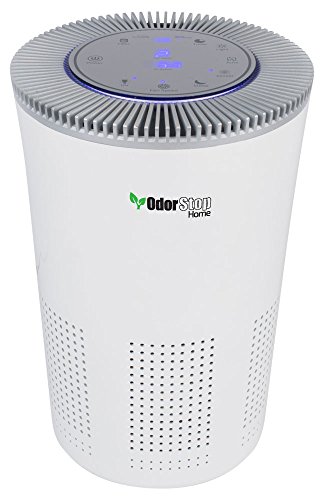
From our supplied product list, the OdorStop H13 is a clear standalone purifier option to consider pairing with a separate humidifier. The product data includes the following facts:
Why pair a purifier like this with a separate humidifier?
Link: OdorStop HEPA Air Purifier (H13)
Our catalog does not include standalone humidifier devices in the supplied product data, so rather than recommend a specific model we offer the checks and tradeoffs that matter when you select one.
Key choices and what they mean:
Practical pairing tips
Before buying either a combo or a separate pair, verify these numbers and understand how they map to your room:
Single‑unit combos can simplify maintenance by consolidating tasks, but they still require regular attention to both filtration and water systems. Use the following as a baseline plan:
Estimating yearly running costs:
We did not receive current filter retail prices in the supplied data, so you must factor in the cost of replacements and frequency. For the Blueair model the manufacturer states the purifier filter lasts up to nine months and the humidifier wick is washable (ASINs supplied), which can lower recurring costs compared with single‑use humidifier cartridges. Verify current filter prices before purchase and divide by the expected replacement frequency to estimate yearly cost.
Two practical safety reminders:
What the supplied catalog shows and what it doesn’t:
Before you hit buy, run through this checklist:
Here are practical recommendations for common shopper needs, drawing on our inventory:
Choose the BLUEAIR Air Purifier + Humidifier (2026). It’s the only single‑chassis combo in our supplied list, and the manufacturer provides large coverage, a washable humidifier wick, and smart automation. Before purchase, verify CADR, noise, and current filter prices.
Buy a high‑CADR dedicated purifier (e.g., a model with True HEPA/H13 and published CADR values). From our supplied catalog the OdorStop H13 is a capable standalone purifier to consider; pair it with a separate humidifier chosen for your water type and run time. This pairing usually outperforms single combos for raw purification speed and gives placement flexibility.
Dedicated purifiers offer a wider selection of replacement filters and cheaper third‑party options. Pair a reputable H13/HEPA purifier with an evaporative wick humidifier (if you have hard water) to minimize mineral maintenance and running costs.
Combos can be very convenient and are effective when the manufacturer designs both functions to work together — a good combo will have a true particulate filter and a well‑engineered humidifier. However, high‑performance standalone purifiers typically offer higher CADR and replaceable filter options that may be better for heavy smoke or allergy needs. If you need maximum purification speed, separate devices are often preferable.
CADR is the standard metric for particle removal speed (smoke, dust, pollen). If a product publishes CADR values, use them to compare removal speed for your room size. Where CADR is not published (some combos), use the manufacturer’s stated coverage and any ACH (air changes per hour) figures as a relative guide. For accurate comparisons, request CADR and noise figures from the manufacturer or confirm them on the retailer’s product page before purchasing.
Wick/evaporative humidifiers typically produce no visible mist and result in much less mineral aerosol (“white dust”) when you use tap water, because minerals stay trapped in the wick. Ultrasonic humidifiers are quieter and often more energy efficient but can aerosolize minerals unless you use distilled water or a demineralization cartridge. The Blueair combo in our catalog uses a washable wick, which is attractive for households with hard water.
Replacement intervals vary. The Blueair purifier filter is stated to last up to nine months in the supplied data; humidifier wick replacement depends on water quality and usage but a washable wick can extend service life if cleaned per manufacturer guidance. For any model, always consult the official replacement schedule and note the current replacement price to estimate annual cost.
Most air purifiers and many humidifiers are not designed for essential oils. Oils can degrade filters, damage plastic components and increase maintenance. Only use products or attachments explicitly designed by the manufacturer for essential oils; otherwise avoid adding oils to the water tank.
Ozone devices are marketed for deodorizing but must be used in unoccupied spaces and with strict ventilation afterward. Our supplied product data includes an ozone generator entry (Manfh) with manufacturer warnings that people, animals and plants must be kept away during use and that the device is not available for sale in California. We do not recommend ozone generators for routine occupied‑space air cleaning; they are a specialized tool for specific odor remediation tasks performed per safety guidance.
For more depth on choosing and comparing standalone purifiers, replacement filters, and sizing for rooms, see these pages on our site:
If you want the simplest single‑box solution and prefer minimal setup, the BLUEAIR Air Purifier + Humidifier (2026) is the only true 2‑in‑1 in our supplied catalog and is a solid starting point — verify CADR, noise and filter prices before committing. If you need greater purification power, lower running costs, or independent placement for purifier and humidifier, pair a strong standalone purifier (for example, the OdorStop H13) with a separate humidifier chosen for your water quality and maintenance preferences.
To keep our Best Air Purifier Humidifier Combo information accurate, we rely on independent references such as the EPA’s Guide to Air Cleaners in the Home, AHAM Verifide CADR data and manufacturer spec sheets. See how we evaluate air purifiers and our editorial policy for details.
The page confirms the BLUEAIR includes a particulate filter (particle + activated‑carbon), which the editorial criteria require to handle PM2.5‑sized particles. However, the manufacturer’s CADR or explicit PM2.5 removal numbers are not provided in the supplied data. Verify PM2.5 CADR or ACH with the manufacturer or a verified retailer listing before buying.
According to the guide, wick/evaporative designs (like BLUEAIR’s InvisibleMist) reduce mineral aerosol (“white dust”) and produce fog‑free humidity, making them generally safer with city water. They also tend to minimize visible condensation on surfaces. You should still check the manufacturer’s cleaning guidance and replacement schedule to ensure proper hygiene and performance.
The editorial recommends separate units when you need stronger purification power, lower lifetime cost, or flexible placement. Standalone purifiers can offer higher CADR or better filter performance, while dedicated humidifiers may be more appropriate for targeted humidity control. The page also notes single‑unit combos are sparse, so a paired approach is often the smarter, more flexible choice.
Confirm particle/PM2.5 CADR or ACH, noise levels (dB) at low/medium/high, physical dimensions and weight for placement, humidifier method and cleaning instructions, refill options, and expected filter and wick replacement intervals and costs. The page flags missing CADR, noise, and replacement‑cost data as items to verify with the manufacturer or retailer.
The supplied product facts state the particle + carbon air filter lasts up to nine months and the InvisibleMist wick is machine‑washable; the humidifier can run up to 60 hours without refill. The exact wick replacement interval and recommended cleaning frequency are not provided here—confirm the manufacturer’s maintenance schedule before purchase.
The editorial notes BLUEAIR offers smart app control that can automate both humidity and air‑quality targets. The unit also includes a pump and smart refill indicator for the humidifier. For details on sensor accuracy, available automation modes, and how they behave in real rooms, verify the manufacturer’s documentation or retailer demo information.
Answers are educational and may link to relevant guides or products on this site. Product facts can change, so confirm current details before purchase.
