Manfh
2026 Upgraded High Capacity Ozone Generator Odor Removal Up to 6000…
BrandManfhCoverage6,000 sq ft
See today’s price on Amazon
View product details
Product information comes from the current AirPurifierFAQ catalog and should be verified on Amazon before purchase.
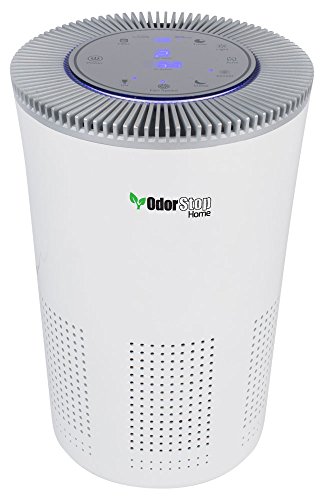


In brief: Best Air Purifier for Basement: our top air purifiers for damp, musty basements, ranked by verified CADR, noise (dB) and yearly filter cost.
Ranked by our score from each maker's published specs. We earn a commission when you buy through our links, at no extra cost to you. Tap any button to see today's price on Amazon.

How this product scored 9.3 / 10
Based on the maker's specs as listed on Amazon. We don't lab-test every model. See how the score works.
How this product scored 9.0 / 10
Based on the maker's specs as listed on Amazon. We don't lab-test every model. See how the score works.

How this product scored 8.9 / 10
Based on the maker's specs as listed on Amazon. We don't lab-test every model. See how the score works.

How this product scored 8.8 / 10
Based on the maker's specs as listed on Amazon. We don't lab-test every model. See how the score works.

How this product scored 8.7 / 10
Based on the maker's specs as listed on Amazon. We don't lab-test every model. See how the score works.

How this product scored 8.5 / 10
Based on the maker's specs as listed on Amazon. We don't lab-test every model. See how the score works.

How this product scored 8.5 / 10
Based on the maker's specs as listed on Amazon. We don't lab-test every model. See how the score works.

How this product scored 8.4 / 10
Based on the maker's specs as listed on Amazon. We don't lab-test every model. See how the score works.

How this product scored 8.2 / 10
Based on the maker's specs as listed on Amazon. We don't lab-test every model. See how the score works.

How this product scored 8.0 / 10
Based on the maker's specs as listed on Amazon. We don't lab-test every model. See how the score works.
Top pick: Rabbit Air A3 SPA-1000N (9.3/10). Covers rooms up to 1,070 sq ft; true HEPA filter for fine dust, pollen and dander; runs as quietly as 20.3 dB. It scores highest on this list, led by room fit and quiet operation.
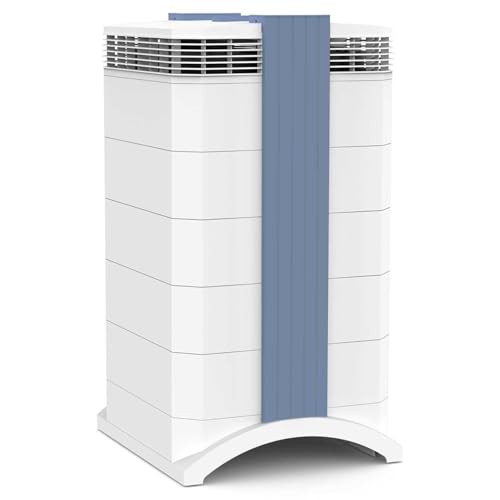
Runner-up: IQAir GC MultiGas XE (9.0/10, best for odors): covers rooms up to 1,125 sq ft. Also worth a look: Shark NeverChange Detect iQ MAX (HP362) (8.9/10, best smart pick): covers rooms up to 1,650 sq ft.
Scores come from published specs, certifications and brand track record, weighted for basements. See how we score.
This roundup exists to match available, real-world products to the specific air-quality problems basements present: stale air, cooking or cigarette smoke, persistent odors trapped in fabrics and walls, dust and particulate buildup, and intermittent dampness that encourages musty smells. The goal is practical buying guidance: which of these listed models work for occupied finished basements, which are appropriate only for unoccupied odor remediation, and which are best as spot-treatment devices around workbenches or laundry areas.
Selection was limited to product pages on AirPurifierFAQ. Recommendations emphasize basement-specific priorities—HEPA filtration for particles, activated carbon for odors, safe continuous operation in occupied spaces, and explicit safety rules for ozone generators. Where CADR, noise or annual filter costs are not listed in the maker’s listing, the table and text flag “Not specified” and point readers to the maker’s listing for manufacturer details.
Top pick: OdorStop H13 HEPA — Best for most basements because it combines H13 HEPA filtration with multiple proven technologies plus auto and sleep modes, making it suitable for continuous use in finished, occupied basements to reduce smoke, dust and routine odors without using ozone.
Why it works: OdorStop’s listing specifies an H13 HEPA filter plus multiple complementary technologies and smart features such as auto and sleep modes and a filter-life/air-quality display. H13-level filtration is a step above basic HEPA and is effective at removing fine particles (the product page claims capture down to 0.3 microns). The presence of an activated-carbon stage and UV (as noted on the product page) makes the unit a balanced choice for finished basements that need both particle control and routine odor reduction without using ozone.
Basement fit: Finished rec rooms, home offices, guest rooms and any basement space where people will be present for extended periods. Auto mode and a sleep mode make it suitable for overnight noise-sensitive use.
Limitations and what to check: The maker’s listing does not include CADR, explicit room coverage, or dB figures for some models. If you have a very large open basement, confirm the manufacturer’s recommended square-foot coverage on the maker’s listing before relying on a single unit. Replacement-filter prices are not listed and should be checked—the maker’s listing may note features such as a filter-life display, which helps with maintenance scheduling.
Buy: Product page — OdorStop H13 HEPA
Why it works: The BLACK+DECKER desktop model lists three-stage HEPA filtration and a specified coverage of 435 sq ft based on 5 air changes per hour (ACH). That coverage claim makes this product a strong pick for medium-sized finished basements where a single unit can provide useful whole-room turnover. It also lists a sleep mode for lower noise overnight operation and an indicator for filter replacement.
Basement fit: Medium finished basements up to the listed coverage (435 sq ft) where you want a compact, ENERGY STAR–certified unit that’s easy to operate and maintain.
Limitations and what to check: CADR and exact noise levels are not specified in the maker’s listing for some models. The filter is rated for up to 2,000 hours—convert that to months based on your run hours to estimate replacement needs. Confirm replacement-filter cost and local availability on the maker’s listing before purchase.
Buy: Product page — BLACK+DECKER BAPT01
Why it’s listed: The Manfh model is included because manufacturers of ozone units often market them for stubborn, embedded odors in cars, boats, dumpsters and large enclosed rooms. This listing claims rapid deodorization, an output of up to 55,000 mg/hour, and coverage up to 6,000 sq ft. It also carries the clear safety language found on the product page: “All ozone generators should be operated in an unoccupied space” with post-treatment ventilation recommended.
Basement fit: Large, unfinished basements with severe, entrenched odors (pet urine, long-standing smoke, fire residue) where surface cleaning and ventilation have not solved the issue. NB: this device is for unoccupied, ventilated use only; it is not suitable for routine use in spaces where people, pets or plants will be present.
Safety & legal notes: The product page explicitly instructs that people, animals and plants must be kept away during operation, and to ventilate for 30–60 minutes afterward. The Manfh listing also notes it is “Not available for sale in California.” Ozone is a lung irritant and must not be used where occupants will be present. We include this entry as a targeted, extreme-case option only.
Limitations: This is not a particulate filter and will not remove dust or mold spores from the air in the way a HEPA filter does; it chemically oxidizes odorous compounds. CADR is not applicable. Confirm local regulations before purchase.
Buy: Product page — Manfh Ozone Generator
Why it works: QUEENTY’s desktop unit uses an H13 HEPA filter and reports a low sleep-mode noise level (25 dB), making it practical for use near desks, in small finished basement bedrooms, or beside a sofa where quiet is required. The design emphasizes face-to-face air delivery, which is useful for personal breathing-zone purification.
Basement fit: Small finished basement rooms or personal workstations where you want quiet, direct delivery of filtered air. Not intended to purify very large open areas unless multiple units are used.
Limitations: Room coverage and CADR are not specified; check the product page for full performance data before assuming whole-room effectiveness.
Buy: Product page — QUEENTY Desktop
Why it works: This compact unit is built around activated carbon filtration and ships with ten replaceable carbon filters. It’s inexpensive and designed for plug-and-play portability; carbon is the correct medium for adsorbing many common basement odors.
Basement fit: Spot treatment at a laundry area, near a litter box, at a small workbench or inside a cabinet/closet where odors originate. Useful when you don’t need full-room air turnover but want to reduce localized smells.
Limitations: It is not a HEPA particulate cleaner and won’t remove dust or fine smoke particles in the same way an H13 unit will. Lifetime cost depends on how often you replace the small carbon pads; the listing notes 10 filters included.
Buy: Product page — AuroraTurn Mini
Why it works: The Silanit unit is a small USB-powered purifier with a removable washable filter and an oil collection cup—footprint and operation are oriented toward capturing grease and visible smoke from cooking or small smoking areas. Washable filters save on consumable costs and are convenient for spot applications.
Basement fit: Small spot treatments where oil-laden fumes or visible smoke are the problem—near grills, hobby stations, or compact kitchens in in-law suites. The adjustable 15° tilt helps focus suction where fumes rise.
Limitations: Not intended for whole-room filtration. Performance claims are oriented to small-area smoke extraction rather than high CADR whole-room turnover.
Buy: Product page — Silanit Smoke Purifier Fan
When choosing an air purifier for a basement, you’ll balance three principal dimensions: particle removal, odor removal, and safety/continuous-use suitability.
Other trade-offs:
Basements vary—low-ceiling rooms that are well-partitioned need less airflow than broad, unfinished spaces. Use the following practical checks.
Long-term ownership cost depends on how often filters need replacing and whether the device uses disposable or washable media. The maker’s listings provide partial information—use this to estimate ongoing cost.
Tip: For basements with heavy dust, plan to check and clean pre-filters monthly; an over-loaded pre-filter reduces primary HEPA life and performance.
Basements present three safety concerns not always present in other rooms: dampness and condensation, poor natural ventilation, and, in some houses, older or overloaded electrical circuits. Address these before relying on an air purifier to “solve” air-quality problems.
If you see active mold growth on walls, flooring or stored items, the primary fix is moisture control and remediation—air purifiers do not remove mold growing on surfaces. Use a dehumidifier and clean/remediate contaminated surfaces per guidance from building or public-health authorities. After remediation, HEPA filtration helps reduce airborne spore counts but is not a standalone treatment for surface mold.
Ozone devices like the Manfh model are included only as a last-resort option for severe odors and with firm restrictions: operate the device only in fully unoccupied spaces, follow manufacturer-recommended timers, and ventilate for the period specified (Manfh recommends 30–60 minutes) before re-entry. Ozone is a respiratory irritant and should never be used where people, pets or plants are present. Additionally, the Manfh page explicitly notes it is not available for sale in California; check local regulations before purchase.
Answer these quick questions to narrow the list.
Recommended: OdorStop H13 HEPA or BLACK+DECKER BAPT01. Prioritise H13/HEPA filtration with carbon for routine smoke or cooking odors, plus sleep mode for overnight use. Confirm coverage/CADR to ensure the unit matches your floor area; add a second unit for very wide rooms or adjoining open areas.
Recommended: QUEENTY desktop for personal breathing-zone purification if the room is small. For whole-room treatment, check OdorStop or BLACK+DECKER but confirm noise levels if you’re noise-sensitive.
Recommended: Start with cleaning, drying and running an appropriate HEPA+carbon unit for ongoing control. For very entrenched odors that cleaning cannot remove, a targeted ozone treatment with a unit like the Manfh model can be considered—but only after professional advice, in an unoccupied and well-sealed interim treatment, with mandatory ventilation afterward. Ozone is not a substitute for cleaning or moisture control.
Recommended: AuroraTurn mini (carbon pads) or Silanit washable smoke purifier fan. These are inexpensive, portable, and focused on source capture rather than whole-room turnover. They reduce localized odors and visible smoke and are easy to maintain.
Short answer: Only in very specific, unoccupied circumstances. Ozone generators like the Manfh unit can chemically remove deep-seated odors from air and porous materials, but ozone is a lung irritant. The manufacturer explicitly instructs operation only in an unoccupied space, with doors and windows opened for ventilation for 30–60 minutes after treatment. Ozone should not be used where people, pets or plants are present, and some jurisdictions restrict sale or use. For habitually occupied basements, choose HEPA+carbon units instead.
H13 denotes a higher performance class of HEPA and can capture very small particles with greater efficiency. For basements where fine smoke, allergen control or higher particulate load is a concern, H13 is preferable. If odors are the dominant issue, ensure the unit also includes an activated-carbon stage or use a dedicated carbon unit alongside HEPA filtration.
Check the unit’s stated coverage or CADR where available. The BLACK+DECKER listing provides an explicit coverage claim: 435 sq ft at 5 ACH. If you need 4–5 ACH for a living space, use that as a baseline. For large, open unfinished basements, a single small tabletop purifier will not provide whole-area coverage—use higher-CADR units or multiple units. If CADR is not listed on the product page, verify coverage claims or contact the manufacturer.
No. Air purifiers can reduce airborne mold spores but they do not remove mold growing on surfaces. For surface mold, find and correct the moisture source, clean or remediate contaminated materials using appropriate methods, and then use HEPA filtration to reduce airborne spores during and after remediation.
Replacement depends on filter type and usage. BLACK+DECKER lists filter life up to 2,000 hours. SOMEWAYTOP replacement recommendations are around every 12 months depending on use. Units with washable filters (Silanit, ormos) reduce disposable costs but require regular cleaning. If a unit has a filter-life indicator (OdorStop lists this feature), use it to schedule replacements more precisely. Always check the product page or manufacturer guidance for exact intervals and replacement part numbers.
Prioritise a two-stage approach: an H13 or HEPA filter to remove particles and an activated-carbon stage for odors. Units that combine both technologies (or filter kits like SOMEWAYTOP that were designed as H13 HEPA + activated carbon + pre-filter) offer balanced performance. For immediate odor relief while you implement cleaning and dehumidification, a localized carbon unit can help as a stopgap.
For more detailed testing and CADR-focused comparisons, see our top-level review hub: Air Purifier Reviews: In-Depth Research & Comparisons. To understand basic differences between technologies in plain language, visit our general FAQ: Air Purifier FAQ: Every Question Answered. If you want alternative room-specific recommendations, our related buying guides include The Best Air Purifiers (2026) and Best Portable Air Purifiers (2026).
Ready to shop the models discussed? Use the product links in the quick-picks table above to view manufacturer specs, check current CADR and noise figures where they were not provided here, and confirm replacement-filter pricing before purchasing.
To keep our Best Air Purifier for Basement information accurate, we rely on independent references such as the EPA’s Guide to Air Cleaners in the Home, AHAM Verifide CADR data and manufacturer spec sheets. See how we evaluate air purifiers and our editorial policy for details.
Check the maker’s recommended square-foot coverage and CADR on the product listing before buying. The BLACK+DECKER desktop model in this guide shows 435 sq ft on the maker’s listing. When coverage or CADR aren’t shown, verify recommended room size on the product page to confirm a single unit will handle your basement.
Ozone units are intended only for targeted, unoccupied odor remediation. They must be used in unoccupied, well-ventilated conditions and according to the manufacturer’s safety instructions on the product page. Ozone devices are not recommended for routine use in occupied spaces.
Some models list filter-life indicators on the product page. For example, the BLACK+DECKER filter is listed for up to 2,000 hours on the maker’s listing; convert that to months based on your daily run hours. If replacement frequency or part numbers aren’t listed, check the product page for replacement-filter information and pricing before purchasing.
Many units are intended for continuous use; consult the product page for continuous-use suitability, noise (dB) and energy details. Units with HEPA, activated carbon and auto/sleep modes are typically quieter for overnight operation. Do not run ozone generators in occupied spaces.
Activated carbon adsorbs odor molecules; HEPA removes particulates but not odors. For severe embedded smells some users use ozone-only treatment, but that is strictly for unoccupied, ventilated conditions per the manufacturer’s instructions. Also address the moisture source with dehumidification and drying. Verify a product’s carbon stage and intended use on its product page.
Confirm the maker’s recommended room coverage before relying on a single unit. For very large or open basements, multiple appropriately placed units or a unit explicitly rated for your square footage are usually more effective. For aggressive deodorization of very large spaces, ozone treatments are for unoccupied use only; verify coverage and safety details on the product page.
Answers are educational and may link to relevant guides or products on this site. Product facts can change, so confirm current details before purchase.