

isinlive
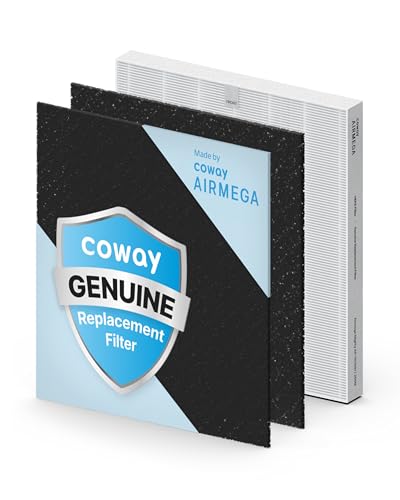
AP-1512HH Filter for Coway Airmega AP-1512HH & Airmega 200M Air…
BrandisinliveFilterActivated Carbon + Pre-Filter
See today’s price on Amazon
View product detailsProduct information comes from the current AirPurifierFAQ catalog and should be verified on Amazon before purchase.

In brief: Our Coway Airmega AP-1512HH Mighty review: real CADR, noise, power use and yearly filter cost, who it’s best for, and the alternatives worth considering.
The Coway Airmega AP-1512HH (Mighty) is a compact, well‑supported True HEPA purifier with a straightforward filter lifecycle and widely available replacement packs. It’s a practical pick for buyers who prioritise proven HEPA filtration and predictable ownership costs; skip it if you need verified CADR figures, smart features or independent hands‑on testing before you buy.
Check latest price on Amazon
This review is assembled from Coway’s replacement‑filter details and current retail listings. It does not include hands‑on testing, lab CADR measurements, or original noise/power logs. Where a specification is not present in the maker’s listing (for example CADR, official room coverage, or measured noise), the review flags that gap and explains why it matters to ownership decisions.
Before you purchase: verify the exact model/ASIN on the retailer page and, if measured performance (CADR, sound at speed settings) matters to you, seek independent test data or ask the seller for lab figures.
| Specification | Value (from maker’s listing) |
|---|---|
| Model name | Coway Airmega AP‑1512HH (Mighty) |
| Filter configuration | True HEPA + Pre‑Filter (carbon pre‑filters) |
| Coway HEPA claim | Designed to capture 99.97% of airborne allergens as small as 0.03 microns (manufacturer claim) |
| Replacement filter pack (OEM) — price listed | Check the current price on Amazon. |
| Replacement filter options (third‑party examples) | Check the current price on Amazon. |
| Recommended filter lifetimes (manufacturer listing) | HEPA: ~12 months; Carbon pre‑filters: ~6 months (manufacturer guidance) |
| Power consumption (maker’s listing) | 77 W |
| CADR (smoke/pollen/dust) | Not listed |
| Noise (dB) | Not listed |
| Smart features | Not listed |
The AP‑1512HH uses Coway’s True HEPA replaceable filter element paired with carbon pre‑filters. Coway’s product information on the maker’s listing states a HEPA capture claim of 99.97% to 0.03 microns and recommends replacing the HEPA element about every 12 months, with carbon pre‑filters changed roughly every 6 months.
Multiple aftermarket compatible packs appear on retail listings. Examples include third‑party two‑pack options that advertise two HEPA replacements and multiple carbon pre‑filters, and others that claim extended coverage over multiple years in some configurations. Those third‑party offerings indicate that replacement filtration can be sourced for materially less than OEM pricing — but read the packaging carefully for what’s included and confirm compatibility with your exact model.
Practical ownership implication: if you use only OEM parts on Coway’s suggested cadence, expect an approximate annual filter bill based on the maker’s replacement guidance (HEPA once per year plus two carbon pre‑filters replaced at six months). If you opt for compatible third‑party multi‑packs, up‑front replacement spend can be lower; third‑party two‑packs on retail sites can reduce annual filter spend substantially versus OEM pricing.
When assessing total cost of ownership, focus on three variables: replacement‑filter price and cadence, energy consumption in your typical usage pattern, and any warranty implications of using aftermarket filters.
Replacement costs:
Rough ownership scenarios:
Energy: the maker’s listing gives a power figure of 77 W. That figure gives an upper bound estimate for energy use at high fan settings; to estimate running cost, multiply typical daily hours by 77 W and your local electricity rate. Note that many purifiers draw less on low or auto modes.
Warranty and aftermarket parts: Coway warranty terms are model and region dependent; using non‑OEM parts may affect warranty coverage in some cases. If warranty preservation is important, consider sticking with OEM filters or verifying Coway’s policy before using third‑party replacements.
Retail third‑party listings provide useful detail about what they include and their model compatibility.
Bottom line: third‑party packs can be significantly cheaper, but check the compatibility notes on the product page and the exact contents of each pack (how many HEPA and carbon elements, recommended replacement intervals) before relying on them for budgeting.
If the AP‑1512HH does not meet your needs because you require larger‑room capacity, different feature sets, or verified independent testing, consider reviewing other models and comparative pages on this site:
The Coway Airmega AP‑1512HH (Mighty) is a practical, compact True HEPA purifier with clear manufacturer guidance on filter life and easy availability of replacement parts. Coway lists a 1‑year replacement pack on the maker’s listing; compatible third‑party two‑pack options on retail sites can materially reduce annual filter spend. The unit is a sensible purchase if you prioritise reliable HEPA filtration and predictable ownership costs.
However, the maker’s listing does not include CADR, measured noise levels, or independent performance data. If cleaning speed (CADR), sound at different fan settings, or smart features are decisive for you, verify those specifications before you buy or choose a model with published independent test results.
Final verdict: A strong, budget‑friendly option for small‑to‑medium rooms when HEPA filtration and known filter lifecycle matter; check CADR/noise and confirm model/ASIN if those factors are important to your decision.
To keep our Coway Airmega AP-1512HH Mighty Review information accurate, we rely on independent references such as the EPA’s Guide to Air Cleaners in the Home, AHAM Verifide CADR data and manufacturer spec sheets. See how we evaluate air purifiers and our editorial policy for details.
Coway’s listing recommends replacing the HEPA element about every 12 months and carbon pre-filters about every 6 months. Using only OEM parts on that cadence will determine your annual filter spend; check the maker’s listing or retailer pages for current replacement-part prices.
Third‑party compatible packs are offered on retailer pages. Read product descriptions and confirm model compatibility on the seller’s page before buying; check reviews and seller return policies if you’re unsure.
Coway’s listing does not include an official room‑size rating in the listing copy. For precise CADR or room‑coverage figures, consult Coway’s spec sheet or independent test reports.
The maker’s listing for this model does not indicate built‑in Wi‑Fi or app control. Confirm the specific model/ASIN on the retailer or Coway product page before purchase if smart features are required.
Coway’s listing shows power consumption at 77 W (typically a higher fan setting). The listing does not provide measured sound‑level figures; seek independent noise measurements or ask the manufacturer/seller for tested dB data at each fan speed.
Coway’s product information states the HEPA element captures 99.97% of airborne particles down to 0.03 microns. That is the manufacturer’s claim; if you need verified performance, look for independent lab reports or certification documents.
Answers are educational and may link to relevant guides or products on this site. Product facts can change, so confirm current details before purchase.
