
01
Dual Ozone and Ion Functions
Advertised dual ozone and negative‑ion functions combine ozone’s oxidative decomposition with negative ions’ dust‑binding action to address pet odors, secondhand smoke and kitchen oil fumes.
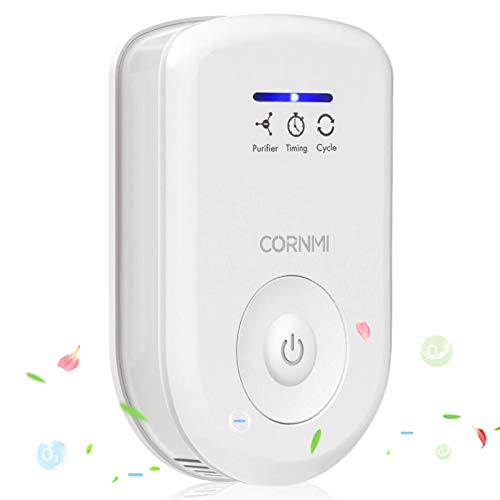
🍃2-in-1 Pluggable Air Purifier: CORNMI air purifier for home has ozone and negative ion dual function. Ozone has a strong oxidative decomposition ability, and negative ions can absorb dust. The combination of these two functions can effectively clean pet smell, secondhand smoke and kitchen oil fume, allowing you to enjoy natural fresh air at home. 🍃Ozone Function: The purifier can achieve the purpose of comprehensive and efficient cleaning by short-term releasing low-concentration O₃. O₃ has strong per...
As an Amazon Associate, AirPurifierFAQ earns from qualifying purchases. Product availability, price and specifications can change.
This is a compact, plug-in air purifier sold under the CORNMI brand that combines two active technologies: an ozone generator and a negative-ion emitter. The unit is filter-free, designed to plug directly into a wall outlet, and the manufacturer describes three user-selectable modes (two ozone modes and one anion/negative-ion mode). The listing positions the product as a small-room deodorizer for pet odors, tobacco smoke and kitchen fumes, and it quotes a ‘silent’ design at or below 30 dB. The supplied data does not include measured room coverage, CADR, ozone concentration, ion output or formal safety certifications.
This unit is presented as a small, plug-in deodorizer for confined spaces: bedrooms, bathrooms, closets, kitchens, hotel rooms and similar compact areas. Because it is filter-free and designed to be powered directly from a wall outlet, it is most suitable where portability and low maintenance are priorities. The product listing specifically highlights odor problems—pet smell, secondhand smoke and kitchen oil fume—rather than particulate removal or allergen control. If your primary requirement is periodic odor refreshment in a small enclosed area, a compact plug-in device like this may fit the need. For whole-house purification or defined particulate removal targets, this type of device typically isn’t presented with the necessary specifications to make that claim.
The product combines ozone (O3) generation with anion/negative-ion emission. The listing states ozone’s oxidative decomposition ability and describes negative ions as helping particles sink to surfaces. In general terms, ozone is a reactive gas that can chemically interact with odorous compounds; negative ions can encourage particulate agglomeration and deposition. The listing claims the two functions together can ‘effectively clean’ smells, but the supplied information does not quantify ozone concentration, ion output, or provide standardized performance metrics. Those numeric details are essential to judge effectiveness and safety, so treat efficacy claims as qualitative unless you can verify supporting measurements.
Controls are simple: a single button cycles through three modes indicated by different LED colors—green for the negative-ion mode, blue for an ozone timing mode, and red for an ozone cycle mode. This simplicity suits users who want a low-friction appliance, but it also means there’s limited granularity in operation; the listing does not specify timing increments, run durations, or adjustable intensity levels. The manufacturer quotes a ‘silent design below 30 dB.’ That figure, if accurate, indicates a quiet product profile, but the listing does not supply measurement conditions or how that number was obtained, so independent confirmation is prudent if noise level is critical for your use.
Because the device is filter-free, there are no replacement parts such as HEPA or carbon filters to buy and change—this reduces ongoing maintenance and cost. Typical upkeep for units of this form factor is limited to external cleaning and keeping the plug and surrounding outlet area dust-free. The listing asserts that ozone will decompose back into oxygen in normal environments; however, users should follow the manufacturer’s published instructions for safe operation and ventilation. The absence of consumables is a convenience, but it also means the product does not provide mechanical filtration of particulates the way a true filter-based air purifier would.
This is a plug-in unit intended to be installed at wall-outlet height. Manufacturer copy lists a wide range of small spaces where it can be used—bedroom, bathroom, closet, garage, office—so placement options are flexible. Because it produces ozone, even at ‘low concentration’ according to the listing, buyers should be cautious about continuous use in occupied rooms, especially where people with respiratory sensitivity will spend extended time. The publicly supplied product data does not include safety certifications, ozone emission values, or recommended safe distances, so verify the user manual and any warnings before choosing a placement or runtime strategy.
Shoppers seeking a low-maintenance, plug-in deodorizer for small, occasionally occupied rooms who are comfortable using ozone/ion technology and want simple one-button operation. Not appropriate if you need verified particulate filtration (HEPA), measured CADR, or specific certified performance for allergens or smoke removal.
Before buying, verify details that are not provided in the listing: the manufacturer-stated ozone concentration or emission rate (ppm or mg/m3), negative-ion output (ions/cm3), recommended room size or coverage, and any independent certifications or safety tests (UL, ETL, FDA guidance references, or emissions testing). If you intend to use it around pets, children, or people with respiratory conditions, check the user manual for run-time and ventilation instructions. Also confirm electrical specifications and whether the quoted noise number (≤30 dB) has been measured under specified conditions. If particulate removal is a goal, consider a filter-based purifier with documented CADR and HEPA filtration instead.
This CORNMI plug-in unit is positioned as a compact, low-maintenance odor reducer for small spaces, combining ozone generation and negative-ion emission in a single, filter-free appliance with simple one-button controls. It may suit users who want occasional deodorizing without filter upkeep, but the listing omits key technical specifications—ozone concentration, ion output, CADR and certification—that are necessary to assess effectiveness and safety in detail. If you prioritize documented particulate removal, certified performance, or children/respiratory-safe continuous operation, compare alternatives and seek the missing specifications before purchasing.
The strongest reasons to consider it, based on the product data we have
Advertised dual ozone and negative‑ion functions combine ozone’s oxidative decomposition with negative ions’ dust‑binding action to address pet odors, secondhand smoke and kitchen oil fumes.
Filter-free, plug-in format requires no replacement filters, saving on accessory costs and allowing immediate operation when plugged into small spaces such as bedrooms, bathrooms or kitchens.
Manufacturer lists noise below 30 dB; this silent-rated operation supports placement in bedrooms or offices where low background sound is preferred for sleep or focus.
Green = negative ion mode (produces negative ions that attach to dust and make particles settle). Blue = ozone timing mode. Red = ozone cycle mode. Use the negative-ion setting for regular, occupied-room use. Ozone modes are intended for stronger odor removal; verify safe ozone exposure and recommended run times in the product manual or local health guidance before using in occupied spaces.
This model is described as filter-free, so there are no filter replacements. The listing does not detail cleaning steps; verify the manual for recommended cleaning (for example, wiping vents) and always unplug the unit before performing maintenance.
The product makes negative ions and can also emit short-term low-concentration ozone. The listing notes ozone is decomposed into oxygen in normal environments, but it does not provide exposure limits or safety guidance. Verify safe use with the product manual and current health guidance before running ozone modes around pets, children, or people with respiratory issues.
The listing does not specify a CADR or exact room-size rating. It is marketed for small spaces—bedroom, bathroom, closet, kitchen, garage, and similar rooms. Check the manufacturer’s documentation or seller listing for a recommended coverage area before relying on it in larger rooms.
The product lists noise at about 30 dB and describes a ‘‘silent design below 30 dB,’’ which is generally quiet enough for sleep or an office setting. Actual perceived noise can vary by placement and room acoustics.
Place the unit in an unobstructed wall outlet where airflow is not blocked by furniture, curtains, or tight corners. For odor sources, position it closer to the source for short-term ozone treatments (following safety guidance). The listing doesn’t give specific placement distances, so consult the manual for any recommended clearances.


Answers are educational and may link to relevant guides or products on this site. Product facts can change, so confirm current details before purchase.
