
Possibly — you can sometimes use HSA or FSA funds to buy an air purifier if a licensed medical provider prescribes it or issues a Letter of Medical Necessity showing it’s primarily to treat a diagnosed condition (e.g., severe asthma). Coverage and documentation rules vary by plan; check your administrator first.
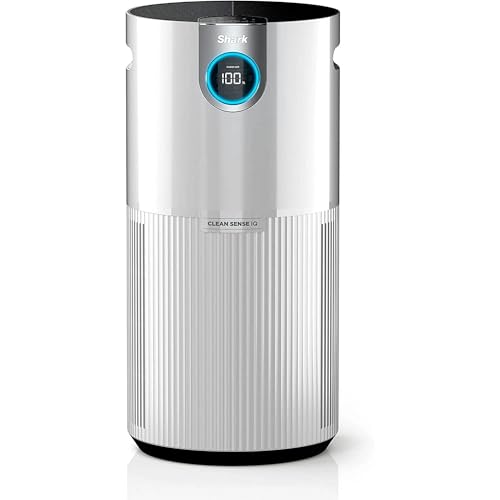
Why it’s only sometimes eligible
HSAs and FSAs pay for qualifying medical expenses, not general comfort or household improvements. The IRS standard is whether an expense is for the diagnosis, cure, mitigation, treatment, or prevention of disease. For air purifiers that means the purchase must be primarily for medical care related to a diagnosed condition, not simply to improve routine indoor air quality.
Plan administrators enforce that standard differently. Many will accept a clinician’s prescription or a Letter of Medical Necessity (LMN) stating that an air purifier is required for treatment. Others require specific language, pre-approval, or additional documentation. Because administrators have discretion, the same item can be approved by one plan and denied by another.
Documentation you should assemble before you buy
| Document | What it proves | How to obtain it |
|---|---|---|
| Letter of Medical Necessity (LMN) or prescription | A licensed clinician states the device is medically necessary for a diagnosed condition | Ask the treating clinician (primary care physician, pulmonologist, allergist) to write an LMN or prescription. Include condition, expected benefit, and that the purifier is primarily for medical treatment. |
| Itemized purchase receipt | Proof of purchase and price paid | Keep the original itemized invoice showing model, price, seller, and date. Credit-card statements alone are usually insufficient. |
| Product specifications or manufacturer page | Shows the device’s filtration type (e.g., HEPA/H13) and intended performance | Print or save the manufacturer’s product page or spec sheet showing filter type and performance claims. |
| Pre-approval or claim form from your plan | Some plans require advance approval or a specific claim submission form | Contact your FSA/HSA administrator or check plan documents; request pre-approval if available and keep correspondence. |
Practical step-by-step checklist
- Confirm plan rules first. Call your HSA/FSA administrator or review plan documents to learn whether they permit reimbursements for durable medical equipment like air purifiers, and whether they require pre-approval.
- Get clinical documentation. If your clinician agrees it’s necessary, request a prescription or an LMN that states the medical diagnosis and why the purifier is needed. Ask the clinician to be explicit about the purifier being primarily for medical care.
- Choose an appropriate product. Pick a model whose specifications support a medical-use claim (HEPA/H13 or equivalent filtration, CADR appropriate for the room). Product specs do not guarantee eligibility but strengthen the case.
- Request pre-approval if possible. Submit the LMN and product info to your administrator before you purchase. Pre-approval reduces risk of denial.
- Buy and preserve records. Keep the itemized receipt and save the product page/spec sheet. If the device has replaceable medical-grade filters, note that maintenance may be part of ongoing eligibility for future claims.
- Submit your claim carefully. Include LMN/prescription, receipt, product specs, and any pre-approval reference. Follow your administrator’s submission method and timelines.
- Appeal if denied. If the claim is rejected, request a written explanation and submit an appeal with supporting medical records and a clinician letter clarifying necessity.
Common misunderstandings and exceptions
One frequent mistake is assuming a consumer-grade purifier is automatically eligible because it has a HEPA filter. Filter specs help, but eligibility hinges on medical necessity documented by a clinician and the administrator’s rules. Another misconception: some think an FSA debit card can be used for any health-related gadget at retail checkout; many administrators will still flag and deny a purchase without the required LMN.
Exceptions exist: certain employers or administrators have flexible policies and may approve an air purifier for allergy prevention or general respiratory sensitivity with less stringent documentation. Conversely, insurers commonly reject devices primarily intended for odor control or general home comfort.
Related questions
Do I need a specific phrase in the LMN?
Not universally—but clarity helps. Administrators typically want language that ties the purifier to treatment of a specific diagnosed condition and states it is “medically necessary” or “primarily for the treatment” of that condition. Ask your plan whether they require particular wording or a form.
Can I use HSA/FSA funds to buy replacement filters or accessories?
Replacement filters and medically necessary accessories are more likely to be eligible if the original device was approved and the replacements are required for continued medical use. Still, retain receipts and, if possible, a clinician’s note indicating ongoing need.
What if my plan requires pre-approval and I buy without it?
Purchasing without pre-approval increases the chance of a denial. If you cannot get pre-approval beforehand, gather all documentation and be prepared to submit a more detailed claim and, if necessary, an appeal. Always save itemized receipts and product information.
Are there alternatives if my claim is denied?
Yes: you can pay out of pocket, ask the clinician to provide a stronger or clearer LMN for appeal, or explore charitable programs, manufacturer discounts, or lower-cost units designed for medical use. Also consider indoor air strategies (ventilation, cleaning) that don’t rely on HSA/FSA funding.
Sources and further reading
- IRS guidance on deductible medical expenses (see IRS Publication 502 for the governing test of medical necessity)
- U.S. Environmental Protection Agency — Indoor Air Quality information
- Association of Home Appliance Manufacturers (AHAM) — testing and CADR standards for air cleaners
- Peer-reviewed literature on indoor particulate reduction and respiratory outcomes (consult medical libraries or PubMed for clinical studies examining particulate exposure and asthma/allergy endpoints)
Sources: HSA FSA Air Purifier
To keep our HSA FSA Air Purifier information accurate, we rely on independent references such as the EPA’s Guide to Air Cleaners in the Home, AHAM Verifide CADR data and manufacturer spec sheets. See how we evaluate air purifiers and our editorial policy for details.
