
In brief: Do Air Purifiers Help With Pet Dander? Yes. HEPA filters capture airborne pet dander, the main pet allergen. A pre-filter catches hair, and a carbon filter.
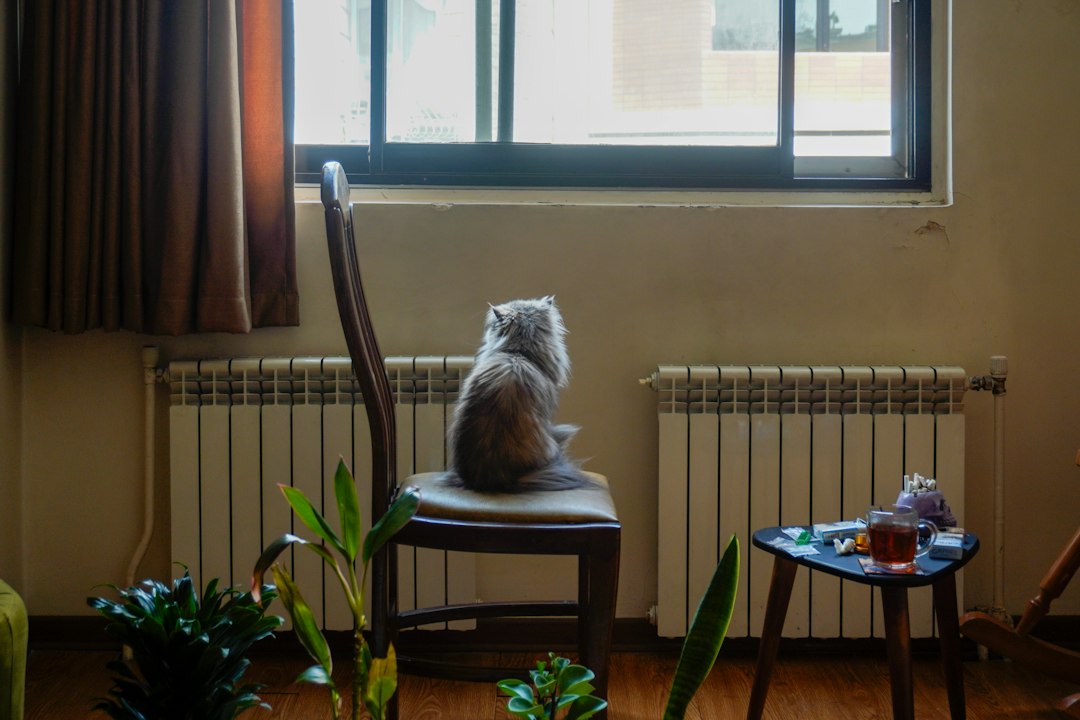
Yes. Air purifiers fitted with true HEPA (or H13) filters will capture airborne pet dander and many of the microscopic fragments that trigger allergies when the unit is properly sized and run continuously. They improve the air you breathe but will not remove dander already embedded in carpets, bedding or upholstery—combine filtration with cleaning and source control.
Why air purifiers help with airborne pet dander
Pet dander is a mixture of microscopic skin flakes, saliva protein fragments and tiny hair fragments; many of those particles are in the respirable size range. True HEPA and H13 filters remove fine particles by forcing room air through dense filter media where particles are trapped by interception, impaction and diffusion as air passes through.
Two operational factors determine real-world effectiveness: airflow (how much air the unit moves) and run time. Clean Air Delivery Rate (CADR) or AHAM-verified coverage expresses how quickly a purifier clears particles in a given room. A higher CADR or appropriate room-size rating means faster reduction of airborne dander; continuous operation in occupied rooms prevents re-accumulation.
That said, purifiers only treat airborne particles. Dander and pet hair that are settled into fabrics, carpets or pet beds must be removed with vacuuming, laundering and grooming—filtration is one part of a multi-step control strategy.
How to choose a purifier for pet dander — step-by-step checklist
- Step 1 — Prioritize filter type. Look for “True HEPA” or H13 HEPA listed in specifications. Activated carbon layers are useful for odors but do not replace HEPA for dander capture.
- Step 2 — Match capacity to room size. Check the manufacturer’s room coverage or CADR/AHAM rating and pick a unit rated for the room where your pet spends most time. For example, some popular compact models are rated for rooms around 200–660 sq ft depending on design.
- Step 3 — Look for pet-focused features. Washable pre-filters and intakes designed to capture hair help keep heavier fur out of the main HEPA media (and reduce filter replacement cost). Units that advertise hair-collection or pet modes may be convenient in high-shedding homes.
- Step 4 — Run continuously at moderate speed. Continuous low- or medium-speed operation gives steady removal without excessive noise; boost to higher speed after grooming, cleaning or during heavy shedding.
- Step 5 — Maintain filters on schedule. Vacuum pre-filters weekly if washable; replace HEPA cartridges according to the manufacturer. A clogged or dirty filter reduces airflow and cuts performance.
Examples shoppers see on maker listings: Provirtec models use H13 HEPA plus activated carbon and washable pre-filters and list pet-focused modes and safety features. Levoit’s compact model is HEPA-rated for roughly 222 sq ft with a CADR around 143 CFM and a low 24 dB sleep noise—a common choice for bedrooms. AIRROMI offers larger coverage claims (~660 sq ft) with HEPA + activated carbon filters. Dreame and similar pet-specific designs add mechanical hair-capture/collection systems to reduce visible floating hair in addition to filtration. Replacement filter options are also available from third parties (HEAPETS replacement kits designed for specific pet purifiers).
Practical placement and routine
| Goal | Recommendation | Why it matters |
|---|---|---|
| Reduce airborne dander in main living area | Place the purifier near where pets spend time; keep intakes and outlets unobstructed | Captures particles near the source before they spread across the room |
| Nighttime relief in bedroom | Use a purifier sized for the bedroom; enable sleep/quiet mode and run continuously | Continuous low-noise operation reduces overnight exposure |
| Extend filter life | Use a washable pre-filter and vacuum it weekly; replace HEPA per manufacturer guidance | Pre-filters trap hair and large debris, protecting the HEPA media and maintaining airflow |
| After heavy shedding or grooming | Run the purifier on high for 30–60 minutes and vacuum or lint-roll surfaces; consider containing grooming to a tiled or easy-to-clean area | Short bursts on high speed clear airborne spikes while surface cleaning removes settled dander |
Common misunderstandings and exceptions
“HEPA-like” or “HEPA-type” labels are not the same as true HEPA—look for explicit True HEPA, H13 designations, or independent testing. Units that rely on ionization, ozone, or “ozone generators” are not recommended; ozone can be harmful and such devices are not a substitute for filtration.
Air purifiers do not eliminate the need for cleaning, grooming and washing pet bedding. They will reduce airborne exposure but will not remove dander already embedded in fabrics. Performance also varies with room layout, ceiling height and how often doors/windows are opened.
Next practical steps
If you want a straightforward purchase path: choose a True HEPA or H13-equipped unit sized for the room where your pet spends most time, prefer models with washable pre-filters or pet modes if shedding is heavy, and commit to continuous operation and scheduled filter maintenance. For a curated list of pet-oriented models and buying guidance, see our buying guide at Best Air Purifiers for Pet Hair & Dander (2026).
Related questions
Do air purifiers help with allergies?
They can reduce airborne allergens such as pollen, dust and pet dander when fitted with true HEPA filters and correctly sized for the space. Filtration is one component of allergen control alongside cleaning and source reduction.
Do air purifiers help with cat allergies?
Yes for airborne feline allergens—HEPA filtration captures many of the microscopic particles that carry cat proteins. As with other pets, surface cleaning and limiting pet access to bedrooms are important complements.
Do air purifiers help with dust?
True HEPA purifiers remove airborne dust and fine particulates; they reduce what remains suspended in the air but do not replace routine dusting and vacuuming for settled dust.
Air Purifier Glossary
For definitions of terms like CADR, AHAM Verifide, True HEPA and H13, see our glossary.
Sources
- U.S. Environmental Protection Agency (EPA) guidance on indoor air cleaners and air filtration
- AHAM (Association of Home Appliance Manufacturers) Verifide testing and CADR methodology
- Peer-reviewed studies on particulate filtration and indoor allergen exposure (general survey literature on HEPA filtration efficacy)
Sources for “Do Air Purifiers Help With Pet Dander?”
To keep our answer to “Do Air Purifiers Help With Pet Dander?” accurate, we rely on independent references such as the EPA’s Guide to Air Cleaners in the Home, AHAM Verifide CADR data and manufacturer spec sheets. See how we evaluate air purifiers and our editorial policy for details.
