
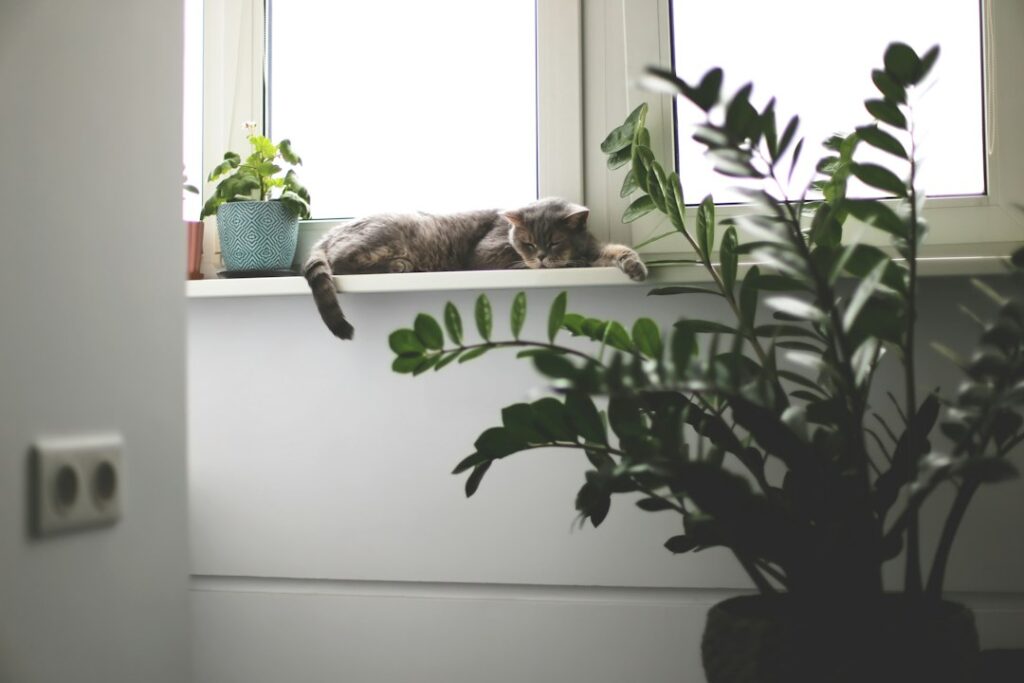
In brief: Are air purifiers safe for pets? HEPA purifiers are safe for pets. Avoid ozone and ionizer features, especially around birds, and never add essential oils.
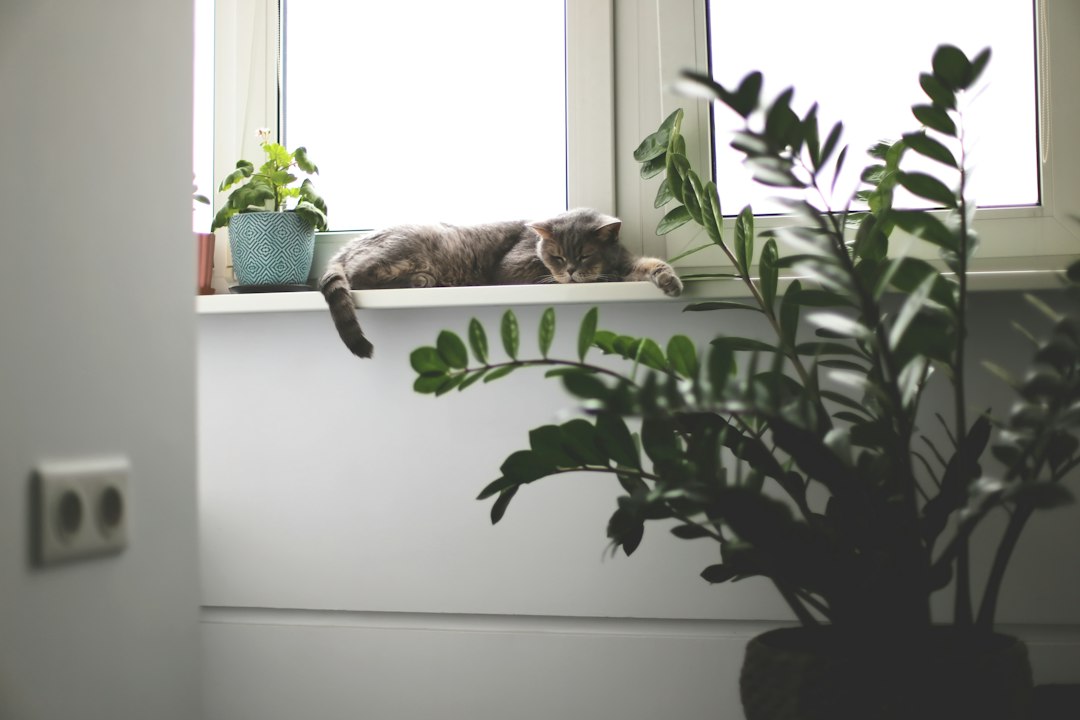
Most filter‑based air purifiers — specifically True HEPA paired with activated carbon — are safe for cats and dogs and can reduce dander and common pet odors when selected and used correctly. Avoid ozone generators and unverified ionizers that may emit ozone or reactive byproducts. Birds are far more sensitive to airborne chemicals, aerosols and essential oils; consult an avian veterinarian before using ionizers, aromatherapy features or scented pads around birds.
Why that short answer
True HEPA filters remove airborne particles (pet dander, dust, pollen) by mechanically trapping them in dense filter media. Because the process is mechanical, a properly designed True HEPA unit does not intentionally release new gases or reactive chemicals into the room. Activated carbon is a passive adsorbent that captures many odors and a subset of volatile organic compounds (VOCs). Together, these two technologies address the most common pet‑related air concerns without adding emissions when used as directed.
Other approaches to “air cleaning” work differently and carry different risks. Some ionizers and ozone generators produce charged particles or ozone that react in air; those reactions can create irritant byproducts and, in some cases, measurable ozone. Authorities including the U.S. EPA advise against using ozone generators in occupied spaces. Because birds have extremely efficient respiratory systems, they are especially vulnerable to low concentrations of gases, aerosols and essential oils; small exposures that may be tolerable to cats or dogs can be dangerous for birds.
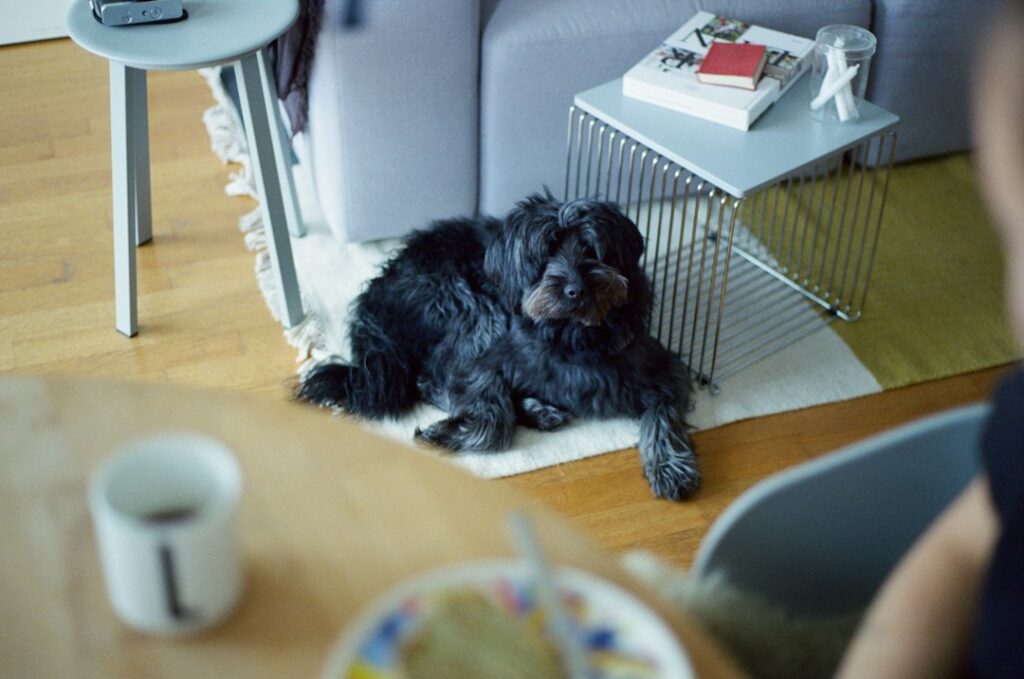
Technology safety quick‑reference
| Technology | Effectiveness for pet issues | Safety for pets | Notes / Action |
|---|---|---|---|
| True HEPA (H11–H14 / H13) | High — captures dander and many particulates | Safe | Recommended primary choice; confirm “True HEPA” label and match purifier coverage/CADR to the room |
| Activated carbon | Good — reduces many odors and some VOCs | Safe | Useful for pet and cooking odors; replace when it no longer masks smells |
| AHAM‑verified / CADR ratings | Performance metric | Safe | Use AHAM/CADR or manufacturer coverage to size the unit; higher air‑change rates give faster reduction of dander |
| Ionic precipitators / some ionizers | Variable — can reduce particles but may emit ozone | Use with caution | Avoid unless the maker documents near‑zero ozone emissions or the unit is independently tested |
| Ozone generators | Poor choice for occupied spaces | Avoid | EPA advises against use in homes; do not use around pets or people |
| UV‑C (enclosed) | Targets microbes in the airstream, not particulates | Safe if properly enclosed | Acceptable only when UV is sealed inside the unit and does not expose room air; it won’t remove odors |
Practical steps: choosing and using a purifier with pets
- Choose filter‑based models first. Look for units that combine True HEPA and activated carbon. Many mainstream models aimed at homes with animals use these layers. For example, Levoit Core series models list HEPA filtration and CADR and are positioned for bedrooms (a Core 300‑P specification lists CADR ~143 CFM and coverage for ~222 sq ft). GermGuardian AirSafe+ XL models advertise True HEPA + activated carbon and are certified for zero ozone by some programs; certifications are helpful indicators but check what they certify.
- Size the unit to the room. Use AHAM/CADR figures or the maker’s coverage guidelines to match capacity to floor area. A unit that provides multiple air changes per hour will reduce airborne pet dander faster than a small, undersized unit. As a practical check, manufacturers often state how many times a listed room size is exchanged per hour — a higher air‑change rate is beneficial for pet dander and odor control.
- Consider noise versus speed trade‑offs. Running a purifier on its highest fan speed clears air fastest but is louder. Many units (some AIRROMI and Levoit models) offer quiet “sleep” modes in the low‑20 dB range; these are useful overnight but clear air more slowly. If noise is an issue, place the unit closer to the pet’s primary area to improve effectiveness at lower speeds.
- Avoid ozone and scented add‑ons for pet areas. Skip ozone generators outright. If a purifier includes an “aromatherapy” or essential‑oil pad, do not use that feature near birds and avoid it if any pet has respiratory sensitivity. Smaller, inexpensive “pet” purifiers often advertise fragrances; a fragrance is an added chemical exposure and may worsen symptoms in sensitive animals.
- Placement and operation. Put the purifier where pets spend time: near a pet bed, litter area or living room seating, not blocked behind furniture. Elevating the unit a little (a few inches) can improve airflow; keep intakes and outlets clear. Running a purifier continuously or in an automatic mode (many models include auto modes tied to sensors) maintains steady removal of dander.
- Maintain filters vigilantly. Vacuum or wash pre‑filters as the manual allows; replace HEPA and carbon filters per the manufacturer’s schedule or sooner if you notice reduced airflow or persistent odors. Activated carbon eventually becomes saturated and loses odor‑removal capacity. Do not attempt to wash a sealed HEPA element unless the maker explicitly allows it.
- Choose pet‑safe physical features. If animals are curious, prefer models with tip‑over protection, covered intakes, child‑lock options and cords routed to reduce chewing or tripping. Some pet‑focused models include chew‑resistant cord supports and paw‑safe indicators; these reduce accidental damage and exposure.
Pet‑specific caveats
Cats and dogs
Cats and dogs generally tolerate properly selected HEPA + carbon purifiers well and will often benefit from fewer airborne allergens and reduced odor episodes. If your pet has diagnosed respiratory disease (chronic bronchitis, recurrent wheeze, recent infections) or you notice worsening coughing, sneezing or behavioral change after installing a device, stop using the new device and consult your veterinarian before resuming.
Birds
Birds have especially vulnerable respiratory systems. Small amounts of fumes, aerosols and many essential oils that seem mild to people can produce serious problems in birds. Do not use ionizers, ozone generators or aromatherapy/scent pads where birds live or in adjacent rooms where air can reach them. Before adding any air‑cleaning device or household fragrance when you keep birds, consult an avian veterinarian for species‑specific guidance.
Common misunderstandings
- “HEPA‑like” or “HEPA‑style” labels are not the same as True HEPA; check for “True HEPA,” H13/H14 or manufacturer testing statements.
- Activated carbon has limited capacity — if odors persist, the carbon may be spent and require replacement.
- Ionic/ozone devices are not universally harmless; independent testing and ozone measurements are the only reliable way to verify safety.
- An air purifier reduces airborne particles but does not remove the source — regular grooming, vacuuming with a HEPA vacuum, litter maintenance and ventilation remain important.
Quick vet‑forward checklist before you buy
- Does the unit use True HEPA + activated carbon? If yes, it’s a good starting point.
- Is the unit sized (CADR/AHAM or stated coverage) for the room where the pet spends time?
- Does the manufacturer publish ozone emissions or carry a zero‑ozone/third‑party verification? If not, avoid ionizers/ozone options.
- Does the unit have pet/safety features (tip‑over protection, covered intakes, child lock)?
- If you keep birds or have pets with respiratory disease — have you asked an avian or small‑animal veterinarian first?
Selected sources and further reading
- U.S. EPA — Ozone generators that are sold as air cleaners
- AHAM Verifide — how to use CADR/coverage to size a purifier
- Sublett JL. Review: air filters and air cleaners in allergic respiratory diseases (for background on filter effectiveness)
Sources for “Are Air Purifiers Safe for Pets”
To keep our answer to “Are Air Purifiers Safe for Pets” accurate, we rely on independent references such as the EPA’s Guide to Air Cleaners in the Home, AHAM Verifide CADR data and manufacturer spec sheets. See how we evaluate air purifiers and our editorial policy for details.
