
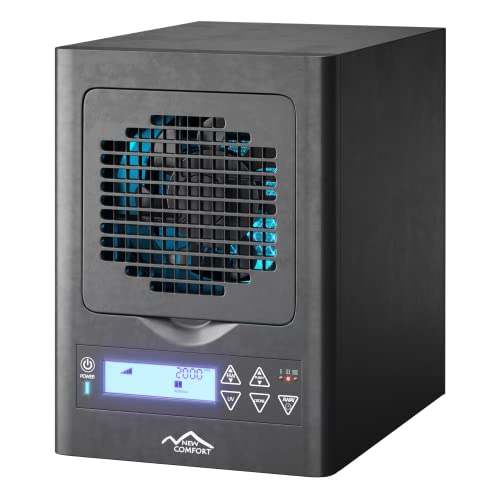
New Comfort
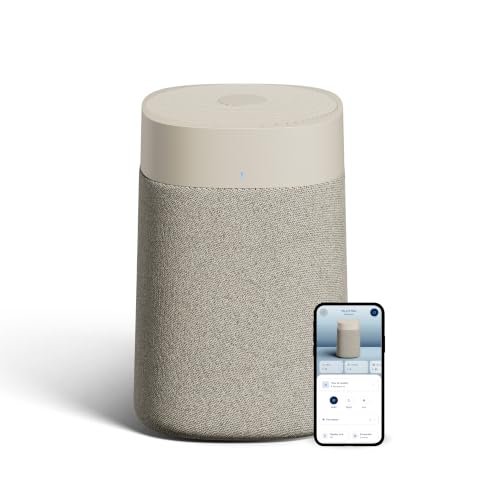
New Comfort BL3000 Ozone Air Purifier - 6-Stage UV, HEPA, and Ozone…
BrandNew ComfortCoverage3,000 sq ft
See today’s price on Amazon
View product detailsExplore a range of whole home air purifiers designed to improve indoor air quality, reduce allergens, and create a healthier living environment throughout your entire house. Find trusted brands and models here.


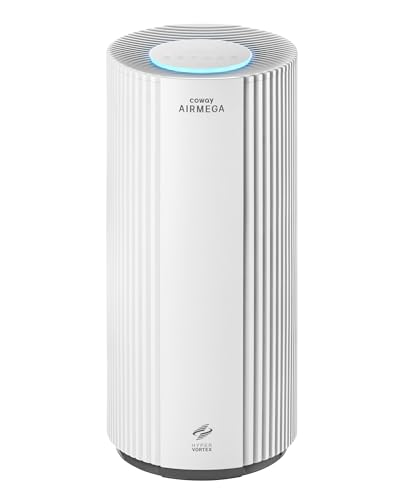


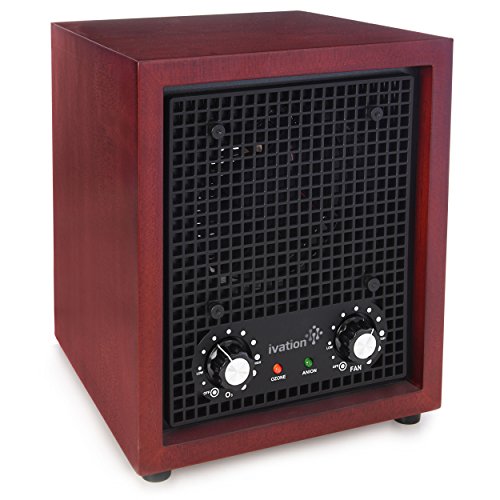

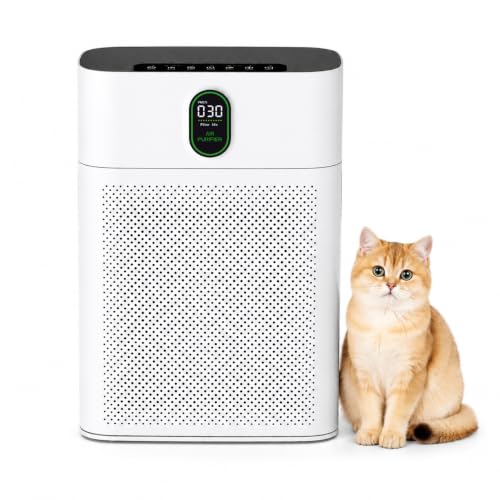


Use available room coverage, CADR, filtration, noise and replacement-filter information together. A large coverage number alone does not tell you how quickly a purifier can clean a room, and missing specifications are intentionally left blank rather than guessed.
Match airflow and coverage to the space where the purifier will actually run.
FiltrationCheck both particle filtration and carbon media when odors or smoke are part of the problem.
OwnershipConsider noise, controls and replacement-filter availability, not only the initial product price.
Several models listed generate ozone and include explicit warnings: they must be used in unoccupied spaces, ventilate the area after treatment, and follow the owner’s manual. Some models cannot be shipped to California and one product includes a Proposition 65 notice. Verify the product page, owner’s manual, and local regulations before purchasing or operating.
The collection includes HEPA and medical‑grade H13 HEPA, activated carbon, and multi‑stage systems that add UV, TiO2 photocatalytic filters, silver‑ion screens, ionization, and negative‑ion technology. HEPA/H13 target particles and allergens; activated carbon targets odors and VOCs; multi‑stage units combine methods. Check each product’s specs to see the exact combination.
Coverage varies widely by model—examples from the page: Amazon Basics 2,600 sq ft, Air Oasis models 2,650 to 5,474 sq ft, Coway 3,285 sq ft, New Comfort/ Ivation around 3,000–3,500 sq ft, and some ozone generators list up to 6,000 sq ft. Always confirm the product’s room_size and CADR for the manufacturer’s recommended coverage.
Ozone units on this page warn to clean ozone plates/cartridges before each use and inspect/clean at least every six months; failing to do so may create a fire hazard or void the warranty. One HEPA model (Air Oasis) states filters can last up to two years. Verify specific maintenance intervals and replacement parts in each product’s owner’s manual.
Examples: Air Oasis models list Wi‑Fi compatibility. Coway includes a real‑time AQI indicator, smart modes (Auto, Sleep, Eco, Turbo) and CADR figures (Dust 445, Smoke 439, Pollen 450) with 21.6 dB noise. Amazon Basics offers an Auto Mode with a particle sensor, CADR 580 m3/h, and ~30 dB noise. Check each product page for full specs.
HEPA or H13‑HEPA models are presented for particle and allergen removal: Air Oasis H13 removes particles down to 0.05 microns and reports up to 99% allergen reduction; Coway uses HEPA filtration and provides CADR metrics. Ozone generators are described as odor‑focused and must be used only in unoccupied spaces. Verify intended uses and test claims on individual product pages.
Answers are educational and may link to relevant guides or products on this site. Product facts can change, so confirm current details before purchase.
