

In brief: Allergy Proof Bedroom: cut bedroom allergens with a sized HEPA purifier, bedding covers, humidity control and cleaning habits. A simple step-by-step plan.
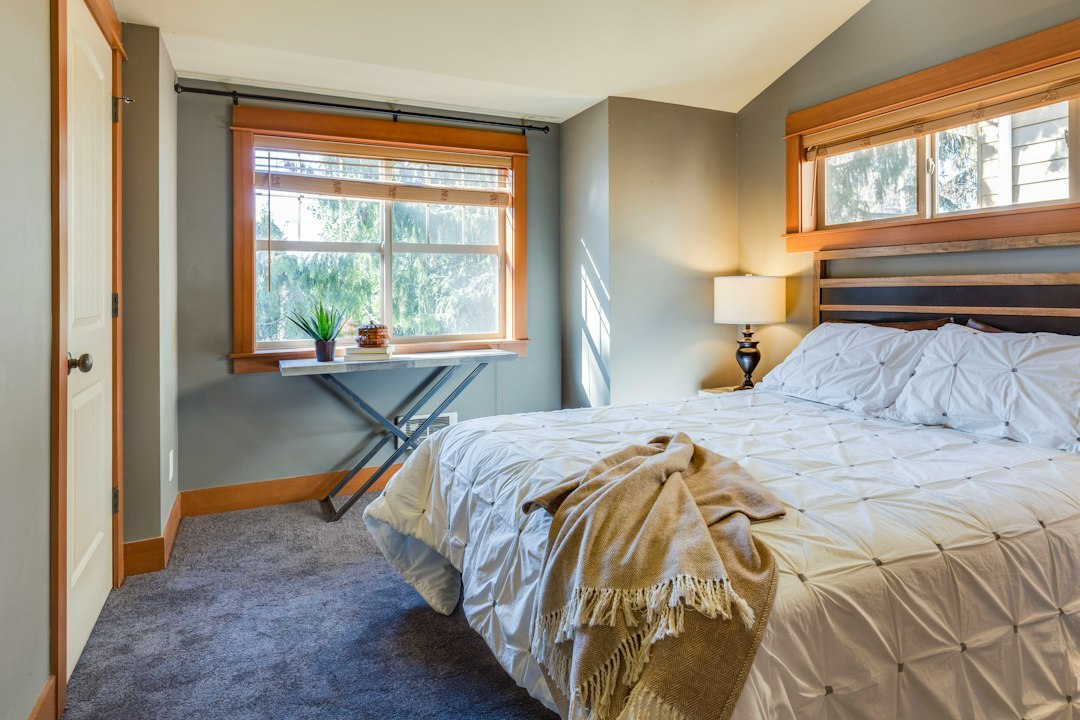
Remove allergen reservoirs: wash bedding weekly and use mattress/pillow encasements. Control relative humidity to roughly 30–50% to deter dust mites and mould. Use a HEPA-capable air purifier sized for the room and placed near the bed. Keep a simple cleaning and filter-replacement routine.
How do I know if my bedroom is triggering my allergies?
Look for symptom patterns—worsening congestion, sneezing, itchy eyes or throat that improve when you leave the room or sleep elsewhere. Track timing, test changes (sleep in another room for a few nights) and inspect common reservoirs (dusty surfaces, visible mould, pet hair). A clinician can test for specific sensitivities if needed.
Practical checks you can do this week
- Sleep experiment: spend two nights in a different room and compare symptoms the next morning.
- Visual inspection: check mattress seams, baseboards, behind headboard, air vents and window surrounds for dust or mould stains.
- Smell check: notice persistent musty or stale odours after airing the room—possible mould or high humidity.
- Pet count: note where pets sleep and whether pet hair accumulates on bedding and furniture.
When to get professional testing
If patterns point to allergic triggers but home measures do not bring relief, consider getting a clinical allergy test (skin or blood) and, for suspected mould, a contractor evaluation. These tests identify sensitivities but don’t replace household control measures.
What quick changes give the biggest reduction in allergens?
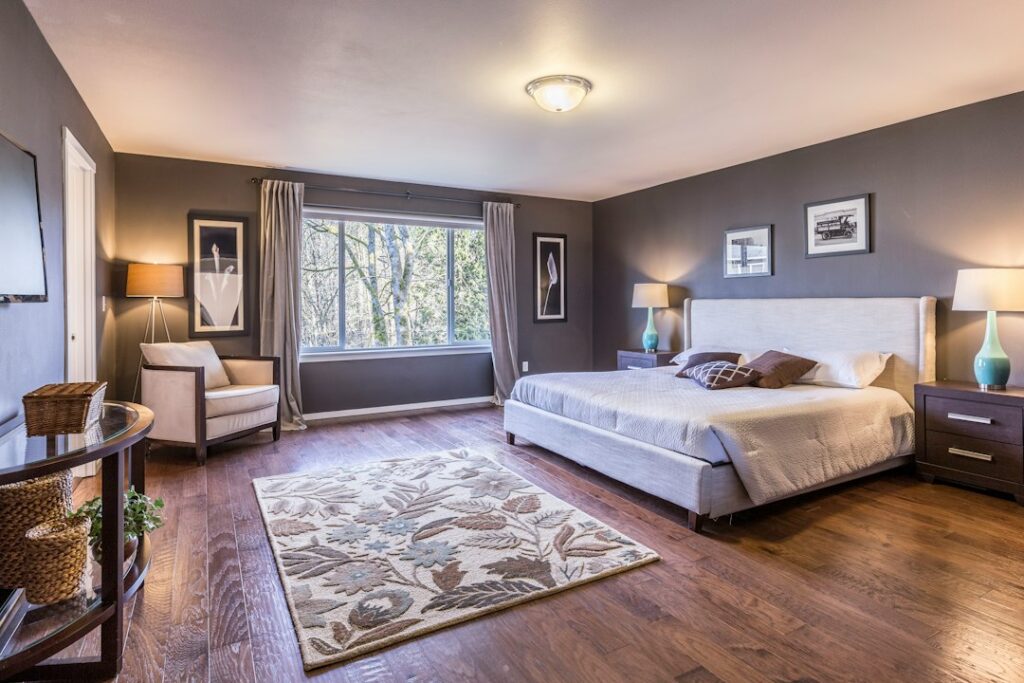
Prioritise actions that remove reservoirs and reduce airborne particles: wash all bedding weekly, use mattress and pillow encasements, remove clutter that traps dust, and run a correctly sized HEPA-capable purifier near the bed. Small changes deliver outsized benefits quickly.
Immediate, low-cost steps (same-day to one week)
- Wash sheets, pillowcases, duvet covers and mattress protectors in hot water (see fabric labels) and dry completely.
- Clear the floor: put away clothes, remove extra pillows and stuffed toys that collect dust.
- Vacuum or brush visible dust from surfaces and headboard before bed.
- Turn on a bedroom air purifier (see selection guidance below) and run on a medium/high setting for a few hours to reduce airborne dust and pollen.
Next-level quick wins (one to four weeks)
- Install mattress and pillow encasements certified to block dust-mite allergens.
- Replace heavy drapes with washable or hard-surface window treatments.
- Switch to unscented laundry products and avoid fragranced room sprays and candles in the bedroom.
How should I manage bedding, mattresses and pillows?
Bedding is the single largest reservoir for dust mites and skin-shedding allergens. Use zip-closed encasements for mattress and pillows, wash bed linens weekly in hot water per fabric guidance, and choose washable or low-fabric items. Replace pillows and mattresses when they are worn or heavily soiled.
Encasements and barrier strategies
Choose tightly woven, zippered encasements for mattresses and pillows described as allergen-proof; look for product specifications stating they block particles/dust-mite allergens. Encasements prevent allergens from accumulating in fills and let you clean bedding surfaces regularly.
Washing and temperature
Wash sheets and pillowcases weekly. Follow the fabric label, using the hottest water the fabric tolerates; many recommendations cite temperatures that denature dust-mite proteins, but always prioritize what the item label allows. Dry completely—moisture left in fabric encourages mould and mites.
Pillows and duvets—what to choose
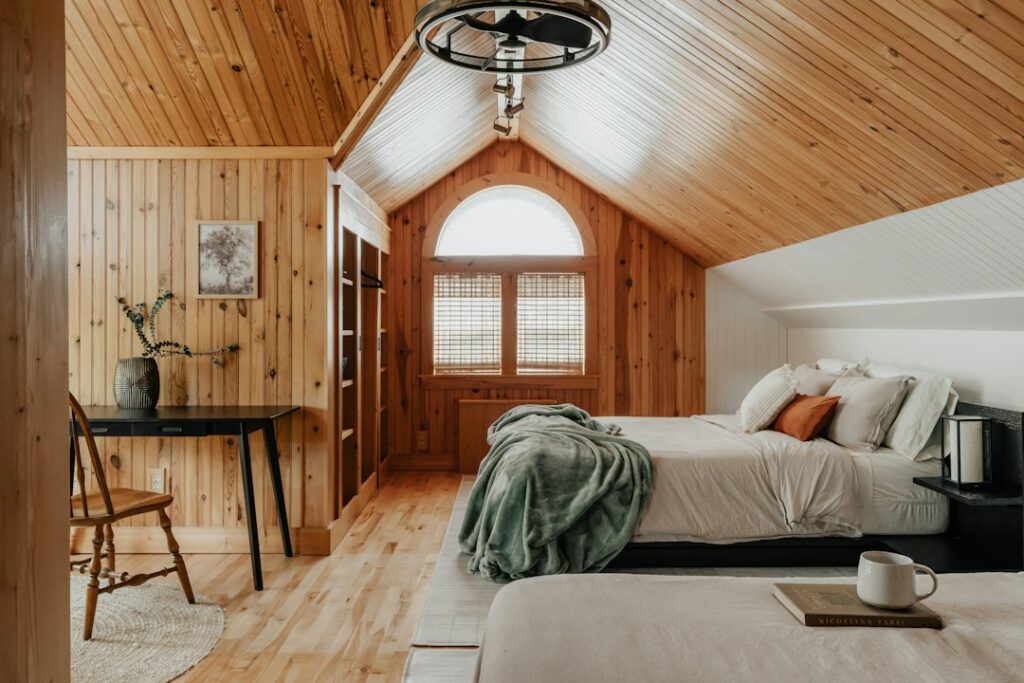
- Opt for washable pillow and duvet covers, and launder them regularly.
- Synthetic fills are easier to wash than many natural fills; memory-foam pillows require spot care or encasements rather than machine washing.
- Replace pillows every 2–3 years or sooner if they lose shape or smell musty; mattresses typically merit replacement per standard wear but use encasements to extend usable life.
Flooring and window treatments
Hard flooring is easier to keep allergen-free than wall-to-wall carpet. If you have carpet, vacuum regularly with a vacuum featuring a HEPA or high-efficiency filter and a powered brush. Replace heavy curtains with washable blinds or light, washable curtains.
How do humidity and ventilation affect allergens, and what controls should I use?
Relative humidity (RH) influences both dust mites and mould growth. Aim for a steady 30–50% RH—low enough to limit dust-mite populations and high enough to avoid excessively dry air. Use ventilation, dehumidifiers or humidifiers as needed and ventilate bathrooms and kitchens to reduce moisture transfer to the bedroom.
Why relative humidity matters
Dust mites thrive at higher humidity; mould needs moisture to germinate. Controlling RH reduces those risks. Use a reliable hygrometer to measure bedroom RH rather than relying on feel.
How to control humidity practically
- If RH regularly exceeds ~50%, use a dehumidifier or run air conditioning where appropriate; ventilate the room and adjacent bathrooms after showers.
- If RH drops below ~30% and you experience dry throat or nasal passages, use a small humidifier on a controlled setting. Clean humidifiers regularly per manufacturer guidance to avoid bacterial growth.
- Address building sources of moisture: roof leaks, condensation on windows, or poor bathroom ventilation—these require repair, not just appliance fixes.
Tools and placement
Place a hygrometer at the occupant’s breathing zone (near bedside table height) to monitor conditions overnight. For dehumidifiers or humidifiers, follow manufacturer guidance for room size and cleaning.
Do I need an air purifier, and how do I choose the right one?
An air purifier helps reduce airborne particles—pollen, pet dander and some dust—when you choose a model with true HEPA or certified high-efficiency particle filtration and size it correctly for your room. Match purifier capacity to room volume and prioritise low noise for night use.
When a purifier is worth it
Consider a purifier if airborne allergens are part of your triggers (pollen, dander, dust), if ventilation is limited, or if you want added protection while you sleep. Purifiers are a tool in a layered approach: they reduce airborne particles but do not eliminate reservoirs in bedding and carpets.
Key selection criteria
- Filtration: look for true HEPA (captures ≥99.97% of 0.3 μm particles) or manufacturer-stated 99.97% at 0.3 microns. If the product description doesn’t state particle-capture performance, ask the manufacturer or choose a different model.
- Room sizing: use the device’s stated coverage or CADR (Clean Air Delivery Rate). Choose a purifier rated for at least your bedroom’s square footage; if in doubt, select a unit that covers 20–30% more area.
- Noise: sleep-friendly models list low decibel levels and a dedicated sleep mode. If you are noise-sensitive, favour models with documented noise figures in sleep mode.
- Maintenance: check filter lifespan and replacement cost—many compact units require filter changes every 3–6 months.
Product snapshot (selected models from our database)
Below is a concise comparison of several bedroom-focused purifiers available from our listings.
| Product (brand) | Coverage (manufacturer) | Noise (sleep mode) | Sleep Mode | Filter replacement guidance | Link |
|---|---|---|---|---|---|
| AromaRoom Air Purifiers (Aroma Room) | 157 sq. ft. twice/hour (model variation; other listing unspecified) | 22 dB | Yes | Recommend replacing genuine filter every 3–6 months | Product page |
| AROEVE MK20 (Aroeve) | 335 sq ft | 23 dB | Yes | Built-in 2000-hour filter reminder; replace every 3–6 months | Product page |
| AROEVE MK06 (Aroeve) | 215 sq ft | 20 dB | Yes | Suggest replacing filter cartridge every 3–6 months | Product page |
| FreAire KN6391RGB (FreAire) | 1,086 sq ft | 20 dB | Yes | Manufacturer recommends periodic filter replacement (check product page) | Product page |
| AromaRoom compact (Aroma Room) | 157 sq. ft. (other listing variant) | 22 dB | Yes | Recommend replacing filter every 3–6 months | Product page |
Note: Coverage figures and noise levels above reflect manufacturer descriptions. If CADR or a true HEPA claim is essential to you, consult the product page or manufacturer specifications; our article CADR Explained explains how to read ratings.
Where should I put an air purifier and what settings work at night?
Place the purifier near the bed and away from walls or large obstructions to allow free airflow; bedside tables or floors beside the bed work well. Run the unit on a higher setting for initial cleaning, then switch to sleep mode or a low-but-effective setting for overnight comfort and quiet operation.
Placement rules of thumb
- Bedroom breathing zone: position the purifier so its outlet or intake is within the breathing zone (~1–2 m from pillow level), without blowing directly on the sleeper if that causes discomfort.
- Avoid corners and behind furniture; allow 12–18 inches of clearance around the unit for proper airflow unless the manual specifies otherwise.
- Do not place the purifier on a carpet pile where intakes can be blocked; a small bedside table or solid floor surface is preferable.
Operating strategy
- Initial run: after cleaning or when introducing the purifier, run on high for 1–4 hours to reduce airborne particles quickly.
- Night mode: switch to sleep mode or the lowest setting that still circulates air; many bedroom models drop to 20–25 dB and remain effective at removing smaller particles over time.
- Continuous vs intermittent: continuous low-speed operation keeps particle counts down and prevents re-accumulation better than intermittent bursts.
Troubleshooting noise and drafts
If the purifier’s airflow feels drafty at the bed, move it a little farther away or lower the fan speed. If sleep is disturbed by noise, try a white-noise app at low volume or a different placement; models listing very low dB in sleep mode are better for noise-sensitive sleepers.
What cleaning and maintenance routine prevents allergen buildup?
Establish a simple, repeatable schedule: quick daily habits, weekly surface and bedding cleaning, monthly deeper cleaning and quarterly or semiannual filter and HVAC checks. Consistency matters more than intensity—regular, modest effort prevents large reservoirs from returning.
Weekly and monthly checklist
| Frequency | Task | Time / Tools |
|---|---|---|
| Daily | Shake out pillows, tidy clothes, open window briefly if outdoor air is good | 5–10 minutes |
| Weekly | Wash sheets, pillowcases and duvet covers; vacuum floors and under bed; dust surfaces with damp cloth | 30–60 minutes; vacuum with HEPA or high-efficiency filter recommended |
| Monthly | Wash or vacuum curtains/blinds, clean purifier exterior, check for visible mould or condensation | 30–60 minutes |
| Quarterly | Deep-clean mattress surface (steam if suitable or use encasement cleaning), rotate mattress if recommended, replace purifier pre-filter if applicable | 1–2 hours |
| 3–12 months | Replace purifier filters per manufacturer guidance (many recommend 3–6 months), inspect HVAC filter and ducts if applicable | Varies—budget for replacement filters |
Vacuuming and dust control
Use a vacuum with a sealed system and HEPA or high-efficiency filter when possible. Vacuum slowly and deliberately to pull out settled dust; empty vacuum canisters or change bags outdoors to avoid reintroducing dust inside.
Air purifier maintenance
- Follow the manufacturer’s filter-replacement intervals; many bedroom units suggest 3–6 months depending on use and local conditions.
- Keep pre-filters clean—many are washable or brushable and extend the life of more expensive HEPA filters.
- Record filter change dates so you replace them on schedule; some devices have built-in reminders.
Special situations: pets, mould, new furniture and HVAC systems
Address special sources directly: keep pets out of the bedroom or groom them frequently; treat mould at its source and fix moisture problems; allow new furnishings to off-gas in a ventilated area; upgrade HVAC filters to a higher MERV rating that your system supports.
Pets in the bedroom
Pet dander is a common trigger. The most effective options are keeping pets out of the bedroom, regularly bathing and brushing pets, and running a bedroom purifier on a continuous low setting. If pets sleep on the bed, use washable covers and launder them frequently.
Mould and water damage
If you see visible mould, dark staining, or persistent musty odour, find and fix the moisture source. Small, confined mould issues can sometimes be cleaned with appropriate cleaners and protective gear; extensive mould or structural leaks require professional remediation.
New furniture and off-gassing
New mattresses, mattresses-in-a-box and furniture can release volatile organic compounds (VOCs). Ventilate the room (open windows), and if sensitivities are severe, allow new items to air out in a well-ventilated area before bringing them into the bedroom.
HVAC filter upgrades and ductwork
Replace HVAC filters regularly and select a higher MERV rating that your system fan can handle (MERV 8–13 is commonly recommended for residential systems). Dirty ducts or poor filtration move allergens around; consider a professional inspection if you suspect duct contamination.
Common pitfalls and myths to avoid
Don’t rely on a single measure—air purifiers alone won’t fix dust reservoirs. Avoid products that generate ozone or make unsupported health claims. Fragranced products can provoke symptoms; routinely using “air fresheners” can worsen indoor air quality for sensitive people.
Myths to watch for
- “One purifier clears everything.” Purifiers reduce airborne particles but don’t remove allergens embedded in fabrics or carpet—cleaning and encasements are still necessary.
- “Ionic or ozone generators are safe.” Ozone and some ionic devices can produce by-products that irritate airways; we do not recommend ozone generators for occupied spaces.
- “If it’s expensive, it must be best.” Cost is one indicator, but match features (true HEPA, coverage, noise, maintenance cost) to your needs instead of assuming price equals fit.
Fragrance and chemical triggers
Avoid scented laundry products, dryer sheets, plug-in air fresheners and room sprays in the bedroom; these can contain VOCs and fragrances that trigger irritation for sensitive people. Unscented products reduce that risk.
A simple decision framework and step-by-step plan
Use a three-stage approach: Quick Wins (low cost, fast impact), Mid-Term Fixes (enclosures, targeted appliances), and Long-Term Upgrades (HVAC improvements, remediation). The framework helps prioritise time and money against measurable results.
Decision matrix: where to start
| Situation | First action (0–7 days) | Next action (1–4 weeks) | Invest if needed (1–12 months) |
|---|---|---|---|
| Moderate symptoms, limited budget | Wash bedding weekly; remove clutter; run small purifier near bed | Buy mattress/pillow encasements; switch to unscented products | Consider a higher-capacity purifier and HVAC filter upgrade |
| Severe symptoms or pet dander | Keep pets out of bedroom; deep-clean bedding; run purifier continuously | Encase mattress/pillows; use a purifier sized to whole room | Professional allergen cleaning or consultation; HVAC upgrades |
| Visible mould or high humidity | Reduce humidity (dehumidifier or AC) and dry wet areas | Inspect and fix leaks; clean small mould patches safely | Professional mould remediation and building repairs |
Step-by-step starter plan (30–90 days)
- Day 1–7: Wash all bedding; declutter the room; place a hygrometer and monitor RH; run a bedroom purifier on high for several hours.
- Week 2–4: Install encasements for mattress and pillows; replace or deep-clean curtains; switch to unscented cleaning and laundry products.
- Month 2–3: Purchase a purifier sized to your room if the current unit is undersized; set continuous low-speed operation at night. If humidity remains high, add a dehumidifier or have HVAC inspected.
- Month 3 and beyond: Stick to weekly washing, vacuuming with HEPA filter, and scheduled filter replacements; evaluate whether pet policies or professional remediation are required.
Cost and time expectations
Budget varies: immediate measures (washing, decluttering) are low cost; encasements and a decent bedroom purifier are moderate investments; HVAC upgrades or remediation are higher cost. Time investment is front-loaded—regular maintenance then becomes a low-time weekly habit.
Next steps and resources
Start with the quick wins this week and schedule mid-term tasks over the next month. For further reading and tools, our guides and calculators explain ratings, filter types, and how to compare purifiers.
Useful AirPurifierFAQ resources
- Air Purifier and Indoor Air Quality Guides — broader context on purifier roles.
- Best Air Purifiers by Room, Need and Budget — curated product lists if you want our recommendations.
- Free Air Purifier Calculators and Tools — calculate room sizing and run-time.
- CADR Explained — how to read purifier performance ratings.
- Air Purifier Filter Replacement Guide — what to expect for filter life and costs.
Soft ‘best-of’ suggestion
If you’re ready to pick a purifier, start with models that clearly state coverage and sleep-mode noise. For bedroom use, prioritise sleep-mode decibel figures and a replacement-filter interval that fits your budget; our best-of pages collect options by room and noise tolerance.
