
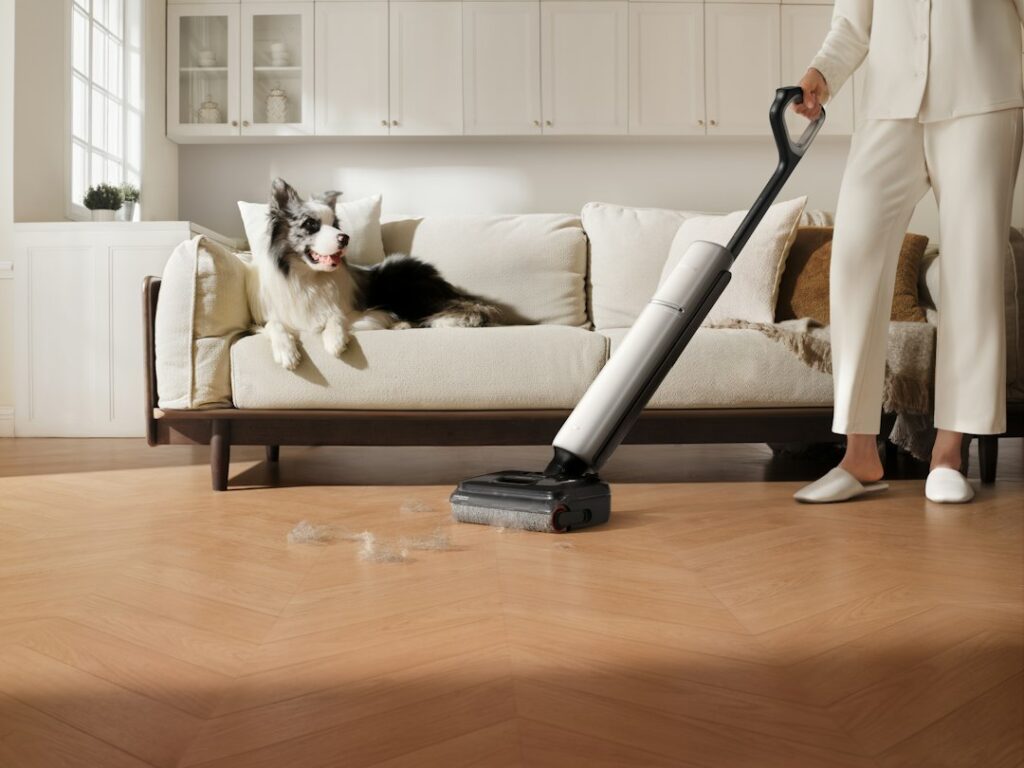
Short answer: In most cases you should not vacuum a True HEPA (disposable) filter. Vacuuming can damage the delicate fibrous media, deform pleats, embed debris more deeply and reduce filtration efficiency — and it can release trapped particles back into the room. Only vacuum removable pre-filters or filter elements that the manufacturer explicitly labels washable or vacuumable.
Why vacuuming usually isn’t recommended
True HEPA media relies on a dense mat of very fine fibers to capture particles by interception, diffusion and impaction. Mechanical cleaning — a vacuum hose, brush or vigorous tapping — can bend or tear the pleats, loosen the adhesive seals and change airflow patterns. Once the structure is compromised the filter no longer performs to specification, and you may unknowingly reduce protection while appearing to “clean” the unit.
Two practical consequences follow: a damaged HEPA element will pass more fine particles at the same fan speed, and disturbing trapped dust can reintroduce allergens and irritants into the room during cleaning. For those reasons most manufacturers and professional guidance discourage vacuuming disposable HEPA filters.
Decision checklist: can you vacuum this filter?
- Is the filter labeled “True HEPA” and sold as a disposable replacement? — Do not vacuum; replace on schedule.
- Is there a removable coarse pre-filter (foam, sponge, electrostatic washable pad)? — You can vacuum or wash those per the manual.
- Does the manual explicitly say the HEPA element is washable or vacuumable? — Follow the manufacturer’s instructions exactly.
- Is the filter heavily soiled, damp, or damaged? — Replace rather than try to clean.
- Do you have allergies or a respiratory condition? — Avoid disturbing the filter; change it using gloves or have someone without sensitivities perform the task.
Quick reference: types of filter and recommended action
| Filter type | Vacuum? | Recommended action |
|---|---|---|
| True HEPA (disposable) | No | Replace per schedule; only gently vacuum external housing/surface dust. |
| Washable HEPA / labeled vacuumable HEPA | Yes, if manual permits | Follow manufacturer steps: gentle vacuum, wash only if allowed, dry completely. |
| Removable pre-filter (foam/felt) | Yes | Vacuum or wash per instructions to extend main filter life. |
| Electrostatic / reusable filters | Often yes | Follow cleaning frequency and method in manual. |
Safe steps when vacuuming a filter element is acceptable
- Confirm the manual: if the manufacturer does not list vacuuming or washing, stop — replacing is safest.
- Do the work outdoors or in a well-ventilated area to avoid releasing dust inside the home.
- Wear gloves and a mask if you are sensitive to dust or allergens.
- Use a low-suction setting and a soft brush attachment. Keep the nozzle slightly off the surface; do not shove the hose into pleats.
- Vacuum along the pleats’ length (not across them) with light passes; don’t attempt to “deep clean” embedded film or sticky deposits.
- If the element is washable, rinse gently with clean water only if the manual allows. Let the filter dry fully (24+ hours) before reinstalling.
- Inspect for damage. If pleats are bent, media is torn, or the gasket is deformed, replace the element even if it appears cleaner.
- Reset any filter-life indicators per your unit’s instructions; note that cleaning seldom restores original performance to a disposable HEPA.
Common misunderstandings
“Vacuuming will restore my HEPA filter like new” — False. Mechanical cleaning can remove some surface dust but rarely restores original filtration efficiency or airflow characteristics. “All HEPA filters are washable” — False. Only a minority are designed to be washed and the manual will state that plainly. “If I vacuum it I’ll save money” — Sometimes true for pre-filters, but attempting to salvage a disposable True HEPA can shorten unit life or void warranties.
When to replace rather than try to clean
Replace the filter if you see visible damage, persistent odors that a carbon stage should handle but cannot, or if the unit’s airflow and performance indicators suggest the filter is clogged. Regular replacement intervals are far more reliable than sporadic cleaning for maintaining performance; see our guide on replacement timing for more on schedules and filter-life signs: How Often Should You Change an Air Purifier Filter?
Next practical steps
- Check your air purifier’s manual or the replacement-filter packaging for the words “washable,” “vacuumable” or explicit cleaning steps.
- If you want a reusable option, consider purifiers whose pre-filters and HEPA elements are designed to be washed — our buyer’s guide can help: Best Air Purifiers With Washable Filters.
- If you’re unsure whether your unit uses a True HEPA element, read the filter label or consult the manufacturer; many “HEPA-like” or “HEPA-type” filters are not true HEPA and have different care instructions. Also see Can You Wash a HEPA Filter?
Related questions
Can you wash a HEPA filter?
Some HEPA-style filters are washable, but many True HEPA disposables are not. Follow the manufacturer’s label. See /faq/filters/can-you-wash-a-hepa-filter/ for details on signs that a filter is washable and safe washing techniques.
How do I know when to replace my air purifier filter?
Look for reduced airflow, persistent odors, manufacturer-recommended months of use, or an indicator light. Our page How Do I Know When to Replace My Air Purifier Filter? walks through diagnostic steps and what to expect from replacement intervals.
What does an activated carbon filter do?
Carbon removes gases and odors; it will not restore particulate-capturing performance to a damaged HEPA and usually sits upstream or downstream of the HEPA stage. For more, see What Does an Activated Carbon Filter Do?
Sources and further reading
- U.S. Environmental Protection Agency — guidance on air cleaners and indoor air quality.
- Association of Home Appliance Manufacturers (AHAM) — standards and consumer guidance on air purifier performance and filter replacement.
- Peer-reviewed engineering and indoor-air journals (e.g., studies on filter media degradation and particle re-entrainment) — articles consistently show that mechanical agitation can reduce fibrous filter efficiency and redistribute particles when not done per design.
If you’d like options that make cleaning simple, consider models with clear washable pre-filters or HEPA elements designed for reuse; our comparison of washable-filter purifiers can help you find models that intentionally allow cleaning without performance loss: Best Air Purifiers With Washable Filters.
Sources for “Can You Vacuum a HEPA Filter?”
To keep our answer to “Can You Vacuum a HEPA Filter?” accurate, we rely on independent references such as the EPA’s Guide to Air Cleaners in the Home, AHAM Verifide CADR data and manufacturer spec sheets. See how we evaluate air purifiers and our editorial policy for details.
