Silanit
Desktop Smoke Purifier Fan, Portable USB Rechargeable Adjustable Angle…
BrandSilanitFilterWashable Filter
See today’s price on Amazon
View product detailsProduct information comes from the current AirPurifierFAQ catalog and should be verified on Amazon before purchase.





In brief: Best Air Purifier for Weed Smoke: our top air purifiers for cannabis smoke and smell, ranked by verified CADR, noise (dB) and yearly filter cost.
Ranked by our score from each maker's published specs. We earn a commission when you buy through our links, at no extra cost to you. Tap any button to see today's price on Amazon.

How this product scored 9.2 / 10
Based on the maker's specs as listed on Amazon. We don't lab-test every model. See how the score works.
How this product scored 8.9 / 10
Based on the maker's specs as listed on Amazon. We don't lab-test every model. See how the score works.

How this product scored 8.7 / 10
Based on the maker's specs as listed on Amazon. We don't lab-test every model. See how the score works.

How this product scored 8.6 / 10
Based on the maker's specs as listed on Amazon. We don't lab-test every model. See how the score works.

How this product scored 8.4 / 10
Based on the maker's specs as listed on Amazon. We don't lab-test every model. See how the score works.

How this product scored 8.1 / 10
Based on the maker's specs as listed on Amazon. We don't lab-test every model. See how the score works.

How this product scored 8.1 / 10
Based on the maker's specs as listed on Amazon. We don't lab-test every model. See how the score works.

How this product scored 8.0 / 10
Based on the maker's specs as listed on Amazon. We don't lab-test every model. See how the score works.

How this product scored 7.6 / 10
Based on the maker's specs as listed on Amazon. We don't lab-test every model. See how the score works.

How this product scored 7.4 / 10
Based on the maker's specs as listed on Amazon. We don't lab-test every model. See how the score works.

Top pick: Rabbit Air A3 SPA-1000N (9.2/10). Activated carbon layer to cut odors; true HEPA filter for fine dust, pollen and dander; covers rooms up to 1,070 sq ft. It scores highest on this list, led by room fit and quiet operation.
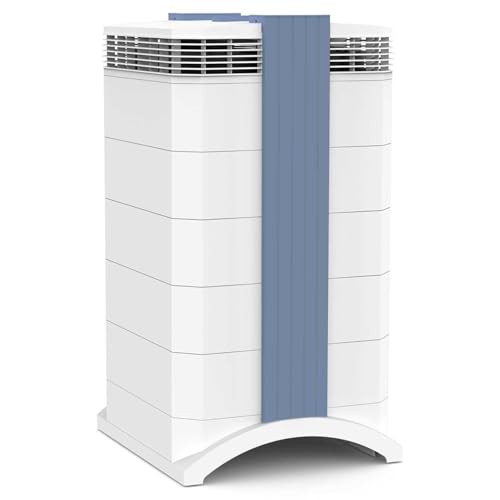
Runner-up: IQAir GC MultiGas XE (8.9/10, best for odors): covers rooms up to 1,125 sq ft. Also worth a look: Shark NeverChange Detect iQ MAX (HP362) (8.7/10, best smart pick): HEPA filter for fine dust, pollen and dander.
Scores come from published specs, certifications and brand track record, weighted for weed smoke and smell. See how we score.
This roundup targets people who smoke cannabis indoors (or live with someone who does) and want a pragmatic, safe route to reducing both the visible particulate (smoke haze, PM) and the lingering odor (volatile organic compounds). It separates three practical reader profiles so you can match product class to real needs:
You’re often at a desk, in a dorm, or moving between rooms and need a compact device that reduces odor and local smoke before it spreads. Small USB/desktop purifiers (Silanit, Silanit mini, AuroraTurn, ormos, frestar) are relevant here. They can noticeably improve your immediate breathing zone and reduce desk‑level smell, but their coverage and carbon capacity are limited.
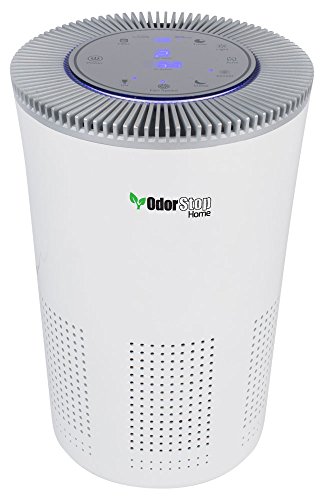
You need continuous filtration for a bedroom, living room or small studio where people spend hours. For this use case prioritize a true HEPA (H13/H14) for particulate capture plus a substantial activated‑carbon stage for odor and VOC adsorption. Among the listed items, the OdorStop HEPA unit is the closest match to this class; frestar is an entry-level small‑room HEPA+carbon option if your room is under ~161 sq ft.
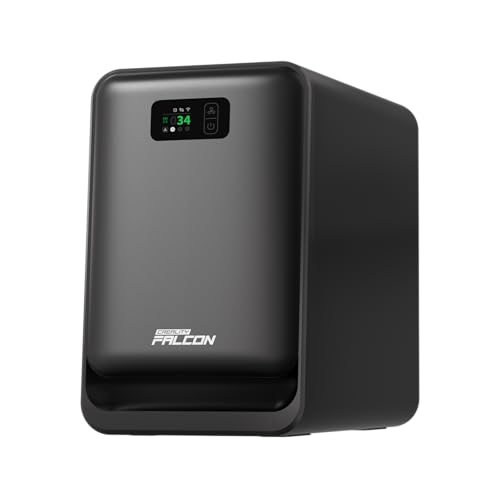
If you run equipment that produces dense particulate and strong machine smells—laser engraving or similar—choose a unit designed to integrate with tools and to handle higher particulate loading. The Creality Falcon AP1 is specifically positioned for desktop laser setups and includes PM2.5 monitoring and a multi‑stage filtration stack.
Ozone generators remove odors by chemical reaction rather than adsorption. The Manfh ozone unit in this list is only appropriate for unoccupied, sealed rooms and emergency deodorizing; it should never be used with people, pets, or plants present. See the safety section below for strict operating rules.
Cannabis smoke consists of suspended particles (the smoke haze you can see) and odorants—lightweight volatile and semi‑volatile organics that cause smell. A single filter technology rarely solves both well:
In practice, effective smoke reduction requires both: a HEPA stage to remove the particulate load and enough activated carbon to appreciably reduce odor. If a unit lacks either stage (for example, a pure fan or an ozone device), its performance against everyday cannabis smoke will be limited or conditional.
Recommendations in this guide are based on buyer‑focused criteria drawn from product details and real‑world usage needs:
Why it’s listed here: the OdorStop unit is the most complete single‑appliance entry for occupied rooms. The maker’s listing specifies H13 HEPA plus product title/metadata that indicate multi‑stage odor control (activated carbon / UV), and it offers Auto and Sleep modes and a filter life / air‑quality display.
When to pick it: you want a single device that can run continuously in a bedroom or living room and that combines particulate capture with more than token odor treatment. It’s the recommended “do‑it‑all” choice in this catalog for everyday indoor cannabis smoke.
Limitations & checks: the product page does not list verified CADR/square‑foot coverage. Before buying, confirm the manufacturer’s coverage rating, replacement filter SKUs and costs, and noise at different fan speeds if you need very quiet night use.
Why it’s listed here: inexpensive, USB‑powered unit with a true HEPA + carbon combo and a claimed coverage of 161 sq ft and 30 dB noise level in the maker’s listing.
When to pick it: small bedroom, dorm room or any space under ~160 sq ft where a compact HEPA+carbon device is helpful. It’s a budget option for a single occupant who wants both particulate and some odor removal in a compact package.
Limitations & checks: advertised coverage is small; verify replacement filter availability and cost. If you have a larger living area or heavy smoking, you’ll need a bigger unit than this.
Why it’s listed here: designed for workshop/laser setups, it advertises a 5‑stage filtration stack, real‑time PM2.5 monitoring and Wi‑Fi automation. The listing title references a 250 m³/h airflow for Falcon A1 series integration.
When to pick it: you run a desktop laser or do concentrated work that produces dense particulate and smell. It’s built to sync with tools and is intended for a workspace rather than continuous home living‑room use.
Limitations & checks: the unit is positioned and priced for makers; confirm actual coverage for your workspace and replacement filter pricing before purchase.
Why it’s listed here: compact, USB‑powered spot extractor with a washable filter and removable oil cup. Good for desk‑level smoke or cooking fumes.
When to pick it: you need a local suction fan that captures smoke just above a cooking surface or a small smoking area. Its washable filter keeps ongoing costs low.
Limitations & checks: washable filters and small housings mean only modest odor control and no long carbon bed for VOCs. Not suitable as a whole‑room solution.
Why they’re listed here: ultra‑compact, inexpensive, and designed for travel or desk use. AuroraTurn includes 10 replaceable activated carbon filters; Silanit mini includes five carbon pads.
When to pick them: you want immediate, local odor mitigation—dorm rooms, travel, or a personal desk where you don’t expect whole‑room performance. They’re the least expensive way to reduce smell in your immediate vicinity.
Limitations & checks: small carbon pads saturate quickly with heavy smoke; replacement pad frequency determines the true long‑term cost. Confirm replacement pad availability before buying.
Why it’s listed here: USB/rechargeable, dual‑suction design with washable filters and a claimed library‑quiet 36 dB operation in the listing.
When to pick it: similar to the Silanit desktop units—portable spot extraction, quiet operation and low running costs due to washable filters.
Limitations & checks: as with other small designs, don’t expect substantial whole‑room odor removal; verify long‑term filter durability.
Why it’s listed here: the catalog includes a powerful ozone generator advertised with an output of up to 55,000 mg/hour and vendor claims of deodorizing rooms up to 6,000 sq ft.
When to pick it: only for sealed, unoccupied spaces when you need a one‑time, chemical odor treatment (for example, in a rental unit after a long vacancy). The device listing specifically warns that people, animals, and plants must be kept away while it runs and for ventilation afterwards; it also notes it’s not for sale in California.
Limitations & safety: ozone is an irritant and can harm lung tissue and sensitive items. It is not a routine solution for inhabited spaces. See the safety section below for operating rules if you consider this device.
Set realistic expectations before you buy:
Below is a prioritized checklist that translates technical features into buyer actions.
Look for a true HEPA stage (H13/H14) if you care about smoke particles, and an activated‑carbon stage for odor. If a product listing does not specify HEPA grade or carbon type/quantity, ask the retailer or check the manufacturer’s spec sheet.
Get the manufacturer’s coverage or CADR (very important) and compare it to your room. Small USB purifiers are for personal areas; mid‑size HEPA+carbon units can handle bedrooms and small living rooms if their coverage rating matches the space. If a product’s coverage is not listed, verify it before buying.
High carbon mass is necessary for odor removal because adsorption requires contact time. A thin carbon pad can help in a small zone but won’t scrub a larger room unless the unit cycles a lot of air through a large carbon bed. Where CADR isn’t listed, use the maker’s listing for coverage as a proxy and confirm replacement filters are available.
Auto mode, air quality sensors, sleep/low noise settings and low power draw are helpful for devices that run for hours. OdorStop lists Auto and Sleep modes and a filter life display in the product data, which are useful for overnight or continuous operation.
Replacement filter frequency and cost determine the long‑term economic picture. If the unit uses washable filters (Silanit, ormos), factor in lower consumable cost but also potential performance decline if not cleaned properly. For carbon‑pad devices, verify pad counts and replacement pricing.
Product listings vary in how they present replacement costs. Here are practical steps to estimate true operating cost:
The Manfh listing is a vendor‑marketed ozone generator with claims of rapid deodorization and large coverage. Ozone removes odors by oxidizing odor molecules, but it is a respiratory irritant and can damage materials. If you consider an ozone unit for a one‑time deep clean, follow these minimum rules (the product listing echoes similar precautions):
Use this short decision matrix to match product to need:
For deeper background and additional buying scenarios, see our other guides:
Short answer: no, not reliably. Small desktop purifiers reduce odor and visible smoke in the immediate breathing zone, but their thin carbon pads and limited airflow are unlikely to remove smell from an entire apartment unless the space is tiny and the unit is run continuously. For whole‑room odor control you need a unit sized to the room with a larger carbon bed and adequate airflow.
Ozone removes odors chemically and can be effective for a one‑time treatment in an unoccupied, sealed space, but it is not safe for occupied rooms. The Manfh listing demonstrates common features and manufacturer warnings—use only when people and animals cannot be present, follow the timer and ventilate the room for 30–60 minutes afterwards, and heed local sale restrictions. For routine odor control in occupied living spaces, prefer HEPA + activated carbon units.
Yes, to remove the particulate fraction of smoke you need a mechanical filter rated as true HEPA (H13 or better). HEPA removes the fine particulate matter but will not adsorb odors—so pair it with carbon for smell. OdorStop lists an H13 HEPA stage and
To keep our Best Air Purifier for Weed Smoke information accurate, we rely on independent references such as the EPA’s Guide to Air Cleaners in the Home, AHAM Verifide CADR data and manufacturer spec sheets. See how we evaluate air purifiers and our editorial policy for details.
Match the unit’s stated coverage or CADR to your room square footage. Small USB/desktop purifiers are for personal/spot use and won’t clean a whole living room. The frestar listing shows ~161 sq ft coverage; the OdorStop page in this catalog doesn’t list coverage—verify the manufacturer’s coverage rating, continuous runtime, and airflow before buying.
No — avoid using ozone devices in occupied spaces. The Manfh ozone unit in this catalog is intended only for sealed, unoccupied rooms and emergency deodorizing. Never operate ozone generators with people, pets, or plants present; follow the manufacturer’s safety/operating rules and ensure the space is ventilated before re-entry.
There’s no single ‘grams’ figure in this guide. Effective odor/VOC control requires a substantial activated-carbon bed sized for sufficient contact time; thin carbon pads in tiny purifiers saturate quickly. Check whether the unit uses a sizeable, replaceable carbon bed or multi-stage carbon filtration and whether replacement media are available.
No. Desktop USB purifiers (Silanit, Silanit mini, AuroraTurn, ormos, frestar small models) can noticeably improve your immediate breathing zone and reduce desk-level smell, but their coverage and carbon capacity are limited. For whole-room or apartment-level odor control, choose a true HEPA plus a substantial activated-carbon stage sized for the space.
Verify the HEPA rating (true H13/H14 for particulate capture), presence and type of activated carbon, replacement filter SKUs and costs, filter life, and whether carbon inserts are replaceable. Also check CADR/coverage, noise at different fan speeds, and available auto/air-quality modes. For example, OdorStop lists H13 and Auto/Sleep modes but lacks a listed CADR—confirm those missing specs.
Pick a unit designed for higher particulate loads and tool integration. The Creality Falcon AP1 in this list is positioned for desktop laser setups and includes PM2.5 monitoring plus a multi-stage filtration stack. Still, verify the purifier’s suitability for dense particulate, maintenance needs, and whether it can handle your specific tool’s emissions before purchase.
Answers are educational and may link to relevant guides or products on this site. Product facts can change, so confirm current details before purchase.