
air purifier for home renovation dust should capture fine construction particles and keep indoor air clearer while work is happening. This guide explains what helps, how to size a unit, which filters matter, and practical placement and use tips.
As an Amazon Associate, AirPurifierFAQ earns from qualifying purchases. We link to the live listing so you always see the current price.
Our picks for air purifier for home renovation dust
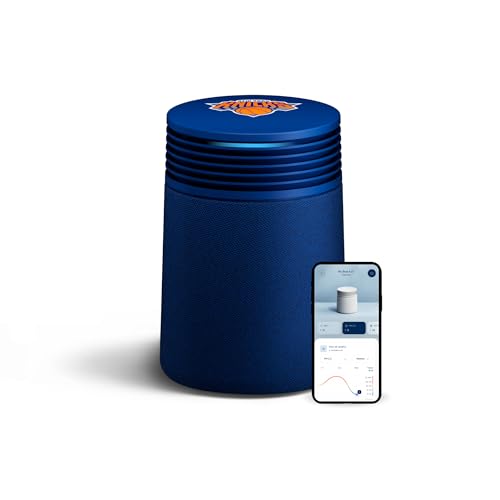
BLUEAIRBLUEAIR x NY Knicks Air Purifiers for Home up to 1,190 Ft²,…Covers up to 1,190 sq ft · HEPABLUEAIR SP1i fits larger open areas and offers HEPA with app control for hands-off monitoring.Check today’s price on Amazon LevoitLevoit Smart Air Purifiers for Home Large Room up to 2933 Ft²,…Covers up to 2,933 sq ftLevoit Core 600S-P suits very large or whole-floor projects and offers auto mode to adjust to dust levels.Check today’s price on Amazon
 SharkShark NeverChange Air Purifier, HP153, WhiteCovers up to 650 sq ft · HEPA + Washable FilterShark HP153 is practical for single-room work because of HEPA filtration plus a washable pre-filter for easy maintenance.Check today’s price on Amazon
 HoneywellHoneywell HEPA Air Purifier for Home, 938 Ft² Rooms in 1 hour,…Covers up to 900 sq ft · HEPA + Pre-FilterHoneywell HPA5100W fits mid-size rooms and brings a turbo clean option plus HEPA and pre-filter protection.Check today’s price on Amazon
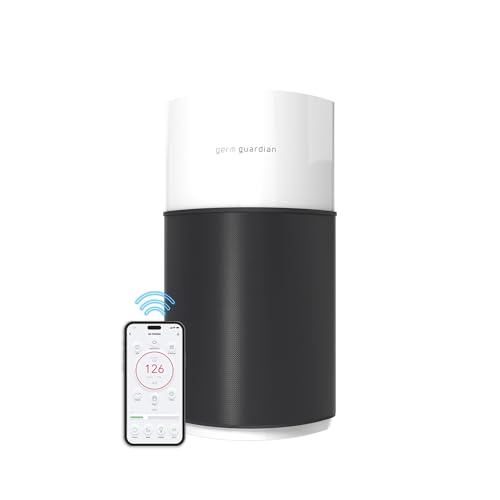 GermGuardianGermGuardian AirSafe+ XL HEPA Smart Air Purifier – 21" – AC3250 -…True HEPA + Activated CarbonGermGuardian AC3250 pairs True HEPA with activated carbon and smart control, so it's good when odors or VOCs join the dust.Check today’s price on Amazon
The specific problem: what 'home renovation dust' actually is
Home renovation dust is a mix of materials. It includes drywall dust, sawdust, sanding fines, paint dust, and tiny mineral particles. These particles range from large flakes to very fine dust that stays airborne.
Also, renovation dust often includes small particles that a standard furnace filter won’t catch. As a result, you need a purifier designed for fine particles. In addition, dust settles quickly onto floors and furniture, so surface cleaning matters too.
Finally, when work is active you can expect higher particle counts than normal. Because of that, a regular daily-use purifier may need to run at higher speeds during the project. Instead, plan for continuous operation and a strategy for placement and filtration.
For more background, see the U.S. EPA’s guide to air cleaners in the home.
How to size a unit: CADR rule for renovation dust
Use a simple CADR rule for sizing. For renovation work, choose a unit whose CADR in cubic feet per minute (cfm) is about two thirds of the room area in square feet. For example, a 300 sq ft room needs roughly 200 cfm CADR.
This rule assumes work is concentrated in one room; however, if the renovation covers adjacent rooms or is open-plan, add units or choose higher coverage. In addition, run units on higher fan speeds while sanding or cutting, and then lower speed for cleanup.
Also remember that manufacturer ‘coverage’ ratings may use different assumptions. Because of that, rely on the CADR rule when possible and match CADR to your space for more predictable results.
Filters that matter for renovation dust
True HEPA filters capture fine particles down to 0.3 microns very efficiently, and so they are the core requirement for dealing with renovation dust. In addition, a pre-filter helps by trapping large particles and extending HEPA life.
Activated carbon helps with odors and some chemical vapors from paints or adhesives, so consider it if you are painting or using solvents. However, carbon does not remove dust particles, so it is secondary to HEPA for dust control.
Also note washable or permanent pre-filters are useful because they let you clear out large particles easily. For example, units with a washable mechanical filter at the front remove buildup that would otherwise clog the HEPA faster.
Noise, running cost, and practical operation
Purifiers must run continuously during renovation, so noise and energy use matter. Run a unit on high during active work and on medium or low for cleanup and airing out. Also, higher fan speeds usually mean more noise, so plan to place louder units where they won’t disturb work or rest areas.
Energy use varies by model; however, many modern purifiers use efficient motors. In addition, smart units or auto modes can reduce power use by adjusting fan speed based on particle levels. Finally, factor in filter replacement or maintenance because filters exposed to heavy dust will need more frequent attention.
Because renovation dust is heavy on large and coarse particles, you may need to clean or replace pre-filters more often. Instead of waiting for a filter indicator, check pre-filters after major sanding or demolition and clean them when visibly loaded.
Placement tips and mistakes to avoid
Place the purifier near the dust source whenever possible. For example, if you are sanding in one corner, put the unit on the same side of the work area so it draws in the dust quickly. Also, position intake and exhaust away from walls and furniture so airflow is not blocked.
Avoid putting a unit inside a cabinet or behind obstacles because that reduces capture efficiency. In addition, do not rely on a single small unit for large, connected spaces; instead, use multiple units or a higher-CADR purifier to get the necessary air changes.
Also, avoid turning the unit off between work sessions. Dust settles and then re-enters the air when disturbed. Finally, combine purifier use with source control: seal doors, use containment, and use local exhaust if possible.
Common mistakes to avoid during renovation
- Under-sizing the unit. Picking a purifier rated for the wrong square footage will slow cleanup and allow dust to spread.
- Relying only on HVAC filters. Central filters help, but they rarely capture the finest renovation dust unless they are upgraded and the system runs continuously.
- Ignoring pre-filters. Letting large particles load the HEPA will shorten its life and reduce performance; instead, clean or replace pre-filters often.
- Poor placement. Putting the purifier too far from the work area or behind furniture reduces capture; place the unit where air naturally flows from the work toward the purifier.
- Turning units off. Stopping the purifier between sessions lets settled dust re-enter the air when disturbed; run continuously while work is active.
Recommended picks and who each suits
Below are units that fit different renovation needs. Each pick is listed with the facts provided, and also with who will find it most useful.
BLUEAIR x NY Knicks Air Purifiers for Home up to 1,190 Ft², Signature SP1i
This Blueair model covers up to 1,190 sq ft and uses HEPA filtration. It has app control and an auto mode for convenience. It suits homeowners working on mid-to-large open areas who want smart controls and a single unit that can handle bigger rooms.
Levoit Smart Air Purifiers for Home Large Room up to 2933 Ft², Core 600S-P
Levoit lists coverage up to 2,933 sq ft and offers an auto mode. Because of its large coverage claim, it is aimed at extensive open renovations or whole-floor use where you want one powerful unit. In addition, auto mode helps manage fan speed during changing dust levels.
Shark NeverChange Air Purifier, HP153, White
Shark covers up to 650 sq ft and uses HEPA plus a washable filter. The washable filter is helpful during heavy dust events because you can clean it instead of replacing it immediately. This unit fits smaller renovation zones or single-room projects where maintenance convenience matters.
Honeywell HEPA Air Purifier for Home, HPA5100W
Honeywell lists coverage around 900 sq ft and uses HEPA plus a pre-filter with turbo clean. This model is suitable for homeowners doing mid-sized projects who want a proven HEPA and a strong cleaning mode for active work. Also, the turbo mode is useful during heavy dust generation.
GermGuardian AirSafe+ XL HEPA Smart Air Purifier – AC3250
GermGuardian combines True HEPA with activated carbon and offers Alexa and app control. It suits projects where odor control is a factor, for example when painting or using adhesives, and where smart features and voice control are helpful during work.
Finally, consider using more than one unit for whole-house renovations. Multiple smaller units placed near each work area often outperform one distant large unit, and as a result they reduce airborne dust more quickly.
Not sure what size you need? Our free size calculator tells you the right CADR for your room in 30 seconds.
Frequently asked questions
Do I need a HEPA filter for renovation dust?
Yes, a True HEPA filter is important because it captures the fine particles common in renovation dust. In addition, a pre-filter helps by trapping larger debris and extending HEPA life.
How many air purifiers do I need for a whole-house renovation?
For whole-house work, use multiple units placed near active work zones rather than one distant unit. This approach captures dust at the source and provides more effective cleanup across rooms.
Should I run the purifier on high the whole time?
Run high while cutting, sanding, or doing heavy work, and reduce speed for cleanup and between sessions. Also, leaving the purifier on during and after work helps remove airborne fines that settle and then become airborne again.
Will activated carbon filters help with paint smells?
Activated carbon helps absorb some odors and certain VOCs from paints and adhesives, but it does not remove dust particles. In addition, choose a unit with both HEPA and carbon if you need particle removal and odor control.
How often should I clean or replace filters during renovation?
Check pre-filters after heavy sanding or demolition and clean them when visibly loaded. Also, expect to replace HEPA filters sooner than normal use if the unit is exposed to a lot of dust.
Black Friday and Cyber Monday 2026: see our hand-picked air purifier and filter deals.
