
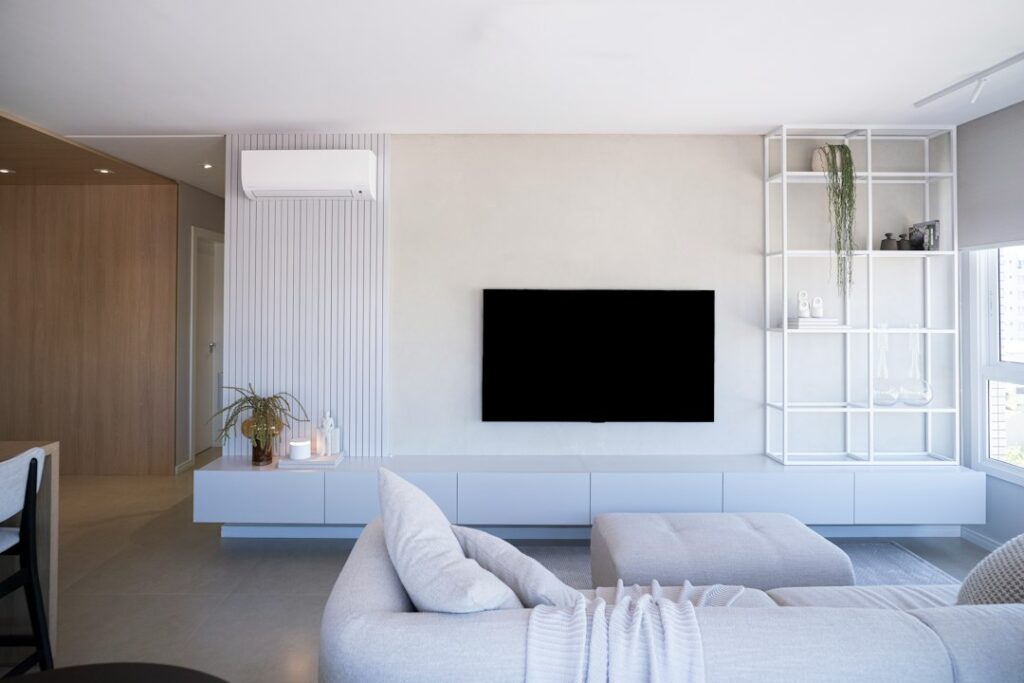
In brief: Do Air Purifiers Dry Out the Air? No. Air purifiers filter particles but don’t add or remove moisture, so humidity stays the same.
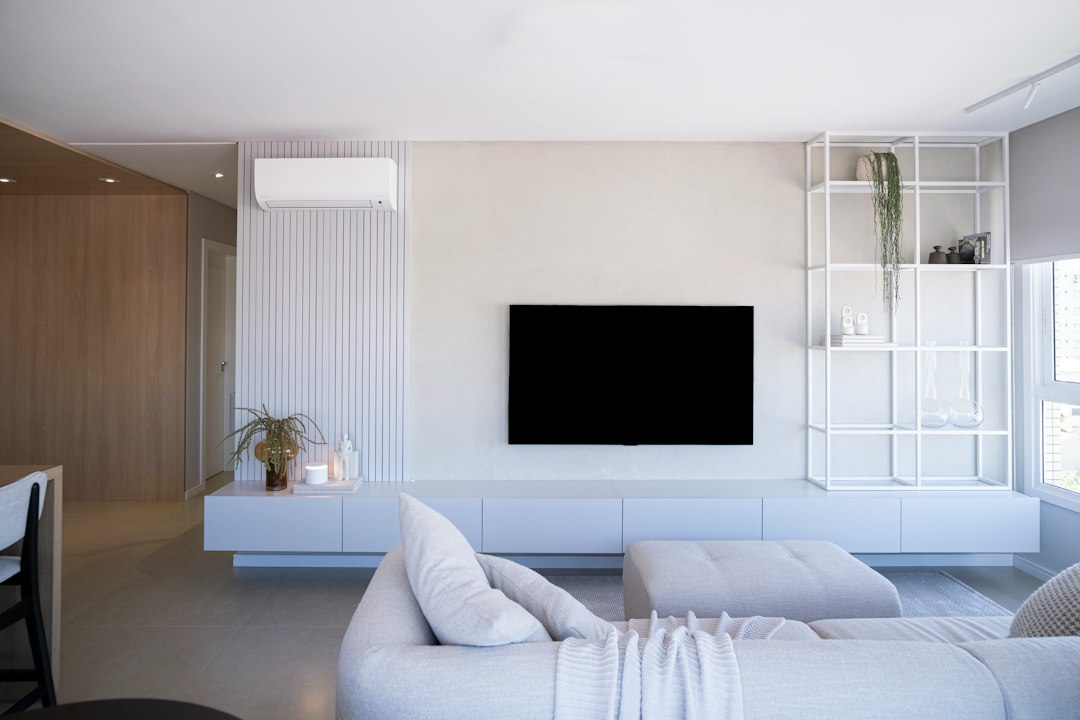
No — ordinary room air purifiers (HEPA, activated carbon, ionizers) do not remove water vapor and so do not directly lower measured indoor humidity. They move and filter air; stronger airflow can accelerate evaporation from skin, plants and wet surfaces, which makes a room feel drier. Only dedicated dehumidifiers or devices that explicitly include dehumidification or desiccant systems reduce relative humidity over time.
Why typical air purifiers don’t remove water
Most consumer air purifiers work by capturing particles (HEPA) or adsorbing gases (activated carbon), or by charging particles (ionizers/electrostatic precipitators). Those processes change particulate and chemical loads; water vapor in air is a gas at normal indoor temperatures and passes through filters unchanged. Removing moisture requires either condensing the vapor (refrigerant dehumidifiers or HVAC cooling coils) or binding it chemically/physically (desiccant systems).
How a purifier can make a room feel drier (without changing RH much)
Perception of dryness is different from measured relative humidity (RH). A purifier with a high fan setting increases air movement. Faster air across your skin or across plants and damp surfaces raises evaporation rates, which reduces surface moisture and increases convective cooling — your body senses that as dryness or chill even if RH stays nearly constant.
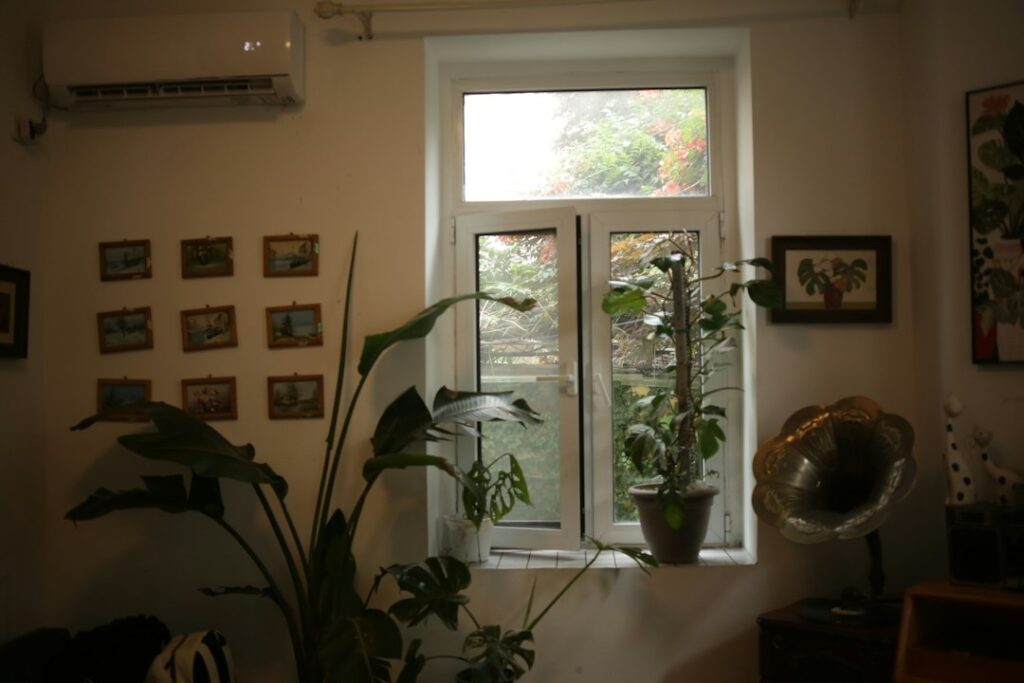
Other indirect effects: if a purifier exhausts air toward a vent or window it can alter airflow patterns and slightly change how moisture redistributes in a room. Filters themselves rarely hold significant moisture unless exposed to splashes or extremely humid air; a wet filter is more a maintenance issue than a mechanism for dehumidification.
Practical implications
If your space feels dry after switching on a purifier, don’t assume the purifier has lowered RH — measure it. A basic digital hygrometer is inexpensive and will show whether RH has dropped. If the hygrometer shows RH unchanged but you feel drier, the cause is likely increased airflow.
| Device type | Effect on measured RH | How it affects perceived dryness |
|---|---|---|
| HEPA / activated carbon purifiers | No direct change | High fan speeds increase evaporation; may feel drier |
| Ionizers / electrostatic cleaners | No direct change | Little effect unless fan speeds are high |
| Dehumidifiers (standalone) | Lowers RH by removing water vapor | Reduces both measured and perceived humidity |
| Combined purifier–dehumidifier / desiccant systems | Can lower RH if designed for dehumidification | Both measured and perceived dryness increase |
| Humidifier or purifier–humidifier combos | Raises RH | Makes air feel less dry; see our guide for combos |
Simple checks and low-effort fixes
1. Measure RH: place a hygrometer at sitting height away from direct airflow, note baseline, then run the purifier on the same setting for 30–60 minutes and compare.
2. Reduce fan speed: if perceived dryness is the issue, lower the purifier’s speed or use an “auto” mode — this reduces airflow-driven evaporation while still cleaning the air.

3. Change placement: avoid directing the purifier’s exhaust at frequently occupied seating or directly at plants and damp surfaces.
4. Add humidity if needed: if hygrometer readings show RH below your comfort range, consider adding a humidifier or a purifier/humidifier combo — see our best combos at /best/air-purifier-humidifier-combos/.
5. Maintain the unit: inspect and replace filters per manufacturer guidance. A clogged or damp filter can change airflow and may cause other indoor air issues.
Exceptions and devices that do change humidity
There are products that both clean and dehumidify, and there are dehumidifiers that include basic filtration. If a device advertises dehumidification, desiccant drying, or refrigerant-based moisture removal, it will lower RH over time. Conversely, a humidifier function (whether standalone or combined) will raise RH. Always check the specifications or manual rather than assuming a device is only a purifier.
Common misunderstandings
• “Filters remove moisture” — No, mechanical and activated-carbon filters do not remove water vapor; they stop particles and absorb gases. If a filter feels damp, that moisture came from condensation or a spill.
• “If the room feels drier it must be dehumidified” — Perception can be driven by airflow and evaporative cooling, not actual RH change. Measure before acting.
• “All air-cleaning devices are the same” — Filtration media, fan power, and added features (humidify/dehumidify/desiccant) make meaningful differences in what a device does to air properties.
Related questions
Do air purifiers circulate air?
Yes. Most purifiers move room air through filters and return cleaned air to the space; that circulation is what can change airflow patterns and increase evaporation. For more on airflow and circulation, see our page: Do Air Purifiers Circulate Air?
Do air purifiers cool a room?
No. Purifiers are not cooling devices. Any cooling you feel is usually from increased airflow on the skin (convective cooling), not a drop in air temperature. See Do Air Purifiers Cool a Room? for details.
Can air purifiers remove CO2?
No. Typical home air purifiers don’t remove carbon dioxide. CO2 is a gas that requires specific sorbents or ventilation strategies to control; read Can Air Purifiers Remove CO2?
Do air purifiers actually work?
Yes for particles and many gases when sized and operated correctly for the room, but they do not control humidity unless specifically designed to do so. More on performance and expectations: Do Air Purifiers Actually Work?
Sources and further reading
- U.S. Environmental Protection Agency — Indoor Air Quality: information on air cleaners and ventilation (https://www.epa.gov/indoor-air-quality-iaq)
- Association of Home Appliance Manufacturers (AHAM) — consumer guidance and standards for air cleaners (https://www.aham.org)
- Peer-reviewed literature on indoor humidity, evaporation and aerosol behavior — search PubMed or Google Scholar for reviews on indoor humidity control and airborne particle dynamics for deeper background.
- For glossary terms used above, see our Air Purifier Glossary.
Sources for “Do Air Purifiers Dry Out the Air?”
To keep our answer to “Do Air Purifiers Dry Out the Air?” accurate, we rely on independent references such as the EPA’s Guide to Air Cleaners in the Home, AHAM Verifide CADR data and manufacturer spec sheets. See how we evaluate air purifiers and our editorial policy for details.
