Manfh
2026 Upgraded High Capacity Ozone Generator Odor Removal Up to 6000…
BrandManfhCoverage6,000 sq ft
See today’s price on Amazon
View product details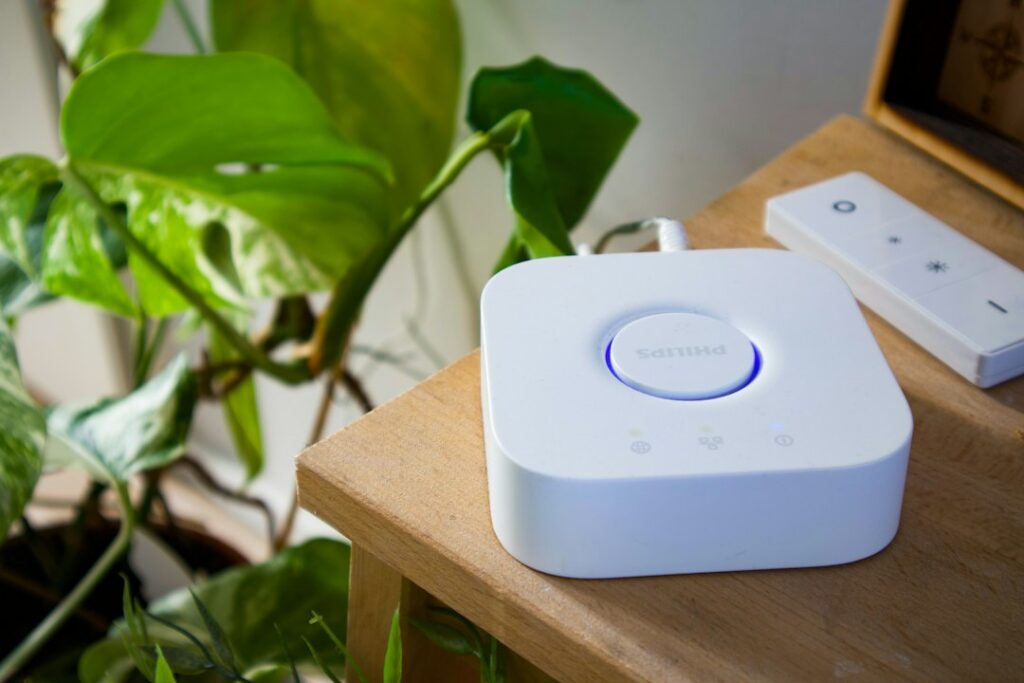
Product information comes from the current AirPurifierFAQ catalog and should be verified on Amazon before purchase.


In brief: Best Smart Air Purifier: our top air purifiers for app control, sensors and auto mode, ranked by verified CADR, noise (dB) and yearly filter cost.
Ranked by our score from each maker's published specs. We earn a commission when you buy through our links, at no extra cost to you. Tap any button to see today's price on Amazon.

How this product scored 9.3 / 10
Based on the maker's specs as listed on Amazon. We don't lab-test every model. See how the score works.
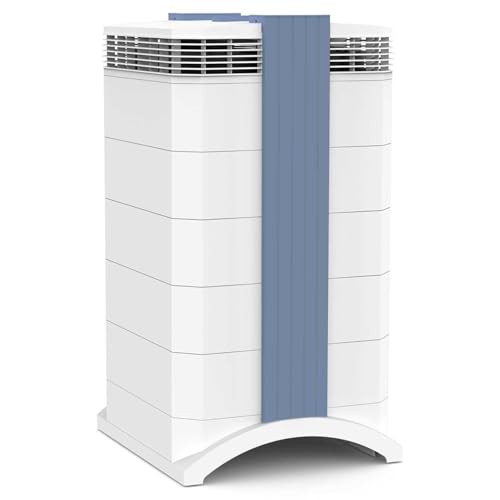
How this product scored 8.6 / 10
Based on the maker's specs as listed on Amazon. We don't lab-test every model. See how the score works.
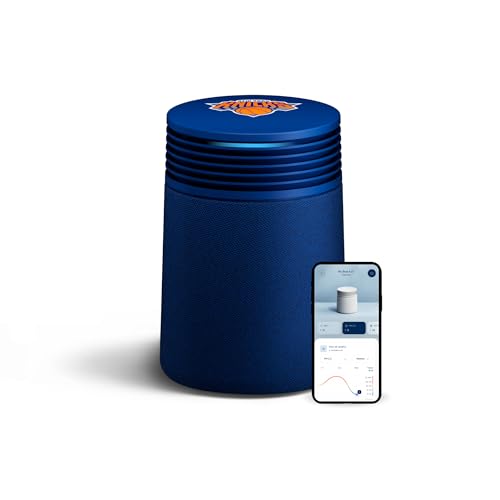
How this product scored 8.3 / 10
Based on the maker's specs as listed on Amazon. We don't lab-test every model. See how the score works.
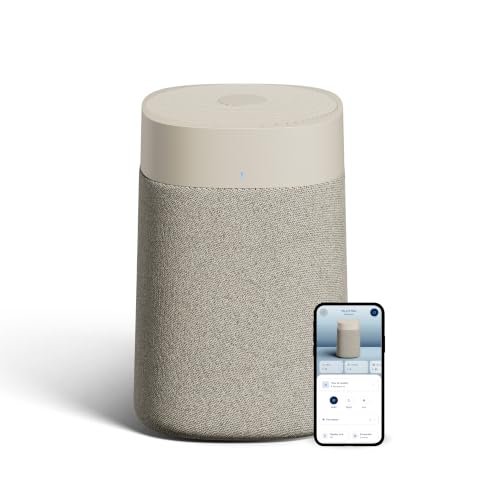
How this product scored 8.3 / 10
Based on the maker's specs as listed on Amazon. We don't lab-test every model. See how the score works.

How this product scored 8.1 / 10
Based on the maker's specs as listed on Amazon. We don't lab-test every model. See how the score works.
How this product scored 7.8 / 10
Based on the maker's specs as listed on Amazon. We don't lab-test every model. See how the score works.

How this product scored 7.6 / 10
Based on the maker's specs as listed on Amazon. We don't lab-test every model. See how the score works.

How this product scored 7.3 / 10
Based on the maker's specs as listed on Amazon. We don't lab-test every model. See how the score works.

How this product scored 7.2 / 10
Based on the maker's specs as listed on Amazon. We don't lab-test every model. See how the score works.

How this product scored 7.2 / 10
Based on the maker's specs as listed on Amazon. We don't lab-test every model. See how the score works.
Top pick: Blueair SP3i (9.3/10). HEPA filter for fine dust, pollen and dander; covers rooms up to 2,390 sq ft; runs as quietly as 19 dB. It scores highest on this list, led by room fit and filtration.
Runner-up: IQAir GC MultiGas XE (8.6/10, best for odors): true HEPA filter for fine dust, pollen and dander. Also worth a look: Blueair x NY Knicks (SP1i) (8.3/10, best smart pick): covers rooms up to 1,190 sq ft.
Scores come from published specs, certifications and brand track record, weighted for smart homes. See how we score.
This roundup helps shoppers who want an air purifier with reliable app control, voice-assistant integration and meaningful sensors choose a model that fits room size, noise tolerance and ongoing maintenance. Recommendations prioritise smart-feature usefulness (stable app, local sensors, practical automations), quiet operation, and clear filter/maintenance claims rather than novelty gimmicks.
Core selection filters used for inclusion: working app or stated voice-assistant support on the product page; True HEPA or H13/H14 filtration where shown; explicit coverage and noise figures where available; and features that reduce maintenance burden (for example, Shark’s NeverChange claim).
This page is for smart-home buyers who expect air purification to be integrated with their routines: remote control from a phone, voice commands with Alexa/Google (or HomeKit where specified), and automated behaviour driven by onboard sensors. If you care about low noise for bedrooms, want clear coverage numbers to match room size, or need to limit replacement-filter spend and maintenance time, the recommendations below are tailored to those trade-offs.
To keep this buyer-first and practical, each included model meets at least one of these requirements as shown on the product pages:
If a common comparison metric (AHAM/CADR, AHAM-verified coverage) was not clearly listed on the product page, we note that limitation rather than invent a value.
Top pick — Jafanda JF500. For most smart-home buyers the Jafanda JF500 delivers the strongest practical package: True HEPA plus a heavyweight 300 g activated-carbon stage, a built-in PM2.5 sensor, Alexa/Google voice support and a whisper-quiet 22 dB sleep mode—good coverage claims and a straightforward app make it the best balance of smart control, filtration and value.
Why it made this spot: the Jafanda JF500 combines several practical strengths directly called out on the product page—True HEPA (HEPA 13), a heavy 300 g activated-carbon stage, a built-in PM2.5 sensor with color-coded display, voice‑assistant compatibility (Alexa/Google) and a very quiet 22 dB sleep mode. The manufacturer also lists a 271 CFM (cubic feet per minute) CADR-like airflow figure and broad coverage claims up to 2,105 sq ft, which positions the unit for both single large rooms and open-plan spaces when run at appropriate speeds.
What to expect in everyday use: the real advantage of the JF500 is the combination of a substantive carbon load for odor and VOC adsorption together with a high-efficiency particle stage and a simple app/voice control surface. The PM2.5 readout makes auto modes and manual adjustments meaningful: you can see when the purifier is actually improving particle load and let it respond automatically.
Caveats and verification steps: the 2,105 sq ft coverage claim is a manufacturer figure—match it to your desired air-changes-per-hour (ACH). The product page describes 1 ACH (one full-room exchange) at larger areas and higher ACH at smaller footprints; for bedrooms or nurseries where you want 4–5 ACH, divide the coverage appropriately. The product page lists filter types and noise figure; it does not provide an independent AHAM CADR certificate—look for AHAM or third-party verification if standardised CADR is important to you.
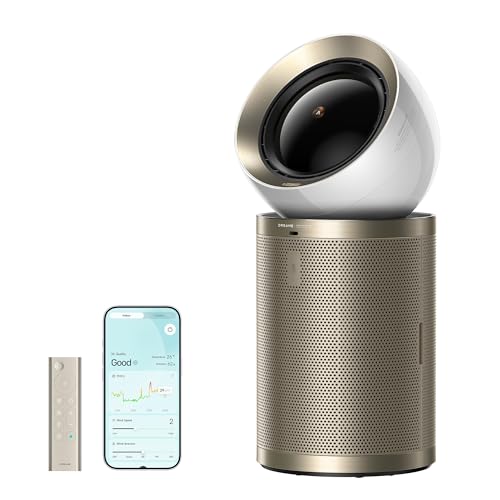
Why consider it: Dreame’s PM10 model emphasises sensor sophistication and airflow engineering. The page highlights “dual‑flow” output delivering 253 CFM and an AI-like tracking feature that uses radar to detect movement and direct airflow—intended to push clean air where people are located. It also lists seven sensors and app/voice control.
Strengths in practice: if even air distribution and intelligent direction of airflow are priorities—for example, in a room with multiple seating areas—Dreame’s dual-flow design is an interesting technical approach. The product quotes a 4-layer filtration system claiming capture down to 0.1 µm and lists Pet and Comfort modes for tailoring output.
Caveats: the Dreame unit is louder in its comfort settings than the Jafanda sleep mode (32 dB for comfort/night mode), and the product details emphasize sensor tech and airflow rather than a concrete long-term maintenance story. If app reliability and straightforward checks of filter life are your priority, confirm the app’s reporting of filter life and replacement availability in your region before buying.
Why we call this low-maintenance: Shark markets the BreatheClear with its “NeverChange” filtration system—manufacturer claims of up to six years without filter changes are front and centre. The unit includes a washable pre-filter, an activated-carbon layer and a HEPA-exceeding multi-layer filter. Shark emphasises automatic sensing (particles, VOCs, odors) and a high-res LCD that reports real-time air quality.
Practical fit: choose this if you dislike periodic filter swaps or want a model that minimises ongoing expense and fuss. Its auto modes and advanced sensing aim to keep the unit running efficiently without frequent user intervention. The product page lists performance to cover up to 750 sq ft in one hour at 1 ACH on max speed, making it well suited to smaller open-plan living spaces, basements and large bedrooms.
Caveats and cost transparency: “NeverChange” is a compelling claim, but verify what Shark means in real usage conditions, and whether the unit’s washable components will meet your household’s dust and pet-load before the manufacturer-specified interval elapses. Shark’s page doesn’t publish a traditional CADR number; instead, they state AHAM AC-1 coverage at 1 ACH. If you require AHAM CADR numbers for side-by-side benchmarking, consider contacting the retailer or manufacturer.
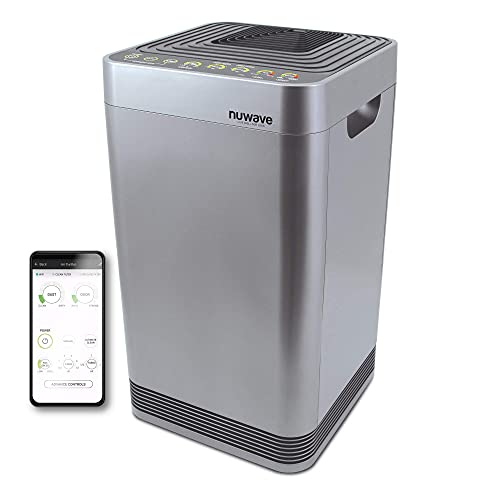
Why this for very large spaces: the Nuwave product page states coverage up to 2,934 sq ft and lists smart tech (particle & odor sensors, auto function) plus remote app control. The unit includes multiple pre-filters, a Bio-Guard filter and reusable ozone-emission removal filters (manufacturer notes), plus a night mode where lights turn off and operation drops to a whisper-quiet 31.4 dB.
Practical considerations: the OxyPure is aimed at whole-home or very large-room scenarios where a single high-capacity unit is preferred over multiple smaller purifiers. The inclusion of washable pre-filters and additional HEPA/carbon combo filters in the box reduces initial replacement worries.
Caveats and verification steps: the product page lists coverage and noise but not a standardised CADR figure. When a single unit is expected to serve a very large floor plan, confirm your target ACH (e.g., 2–4 ACH for continuous air quality improvement) and be prepared to combine the OxyPure with supplemental units in high-use rooms for best results.
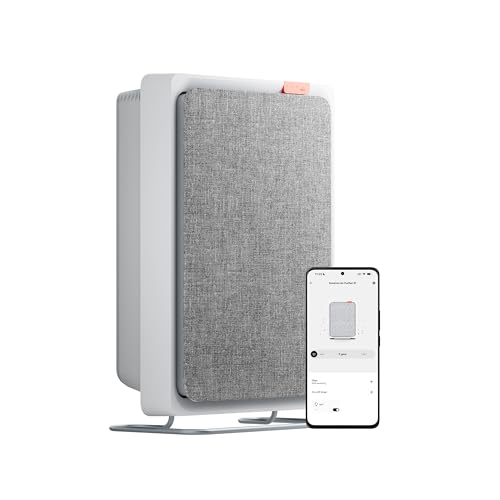
Why it stands out: the Smartmi E1 is designed for small spaces, with a wall-mounted format that preserves floor space and a 3‑stage HEPA filter. The manufacturer lists a CADR of 150 m³/h (as stated) and coverage up to 193 sq ft—making it a good fit for bedrooms, small offices or rentals. Smart features include HomeKit, Alexa and Google Assistant compatibility and the Smartmi app.
Practical fit and installation: its wall-mounted form factor is useful in apartments or rooms where floor space is limited. The unit runs at 42.9 dB in the listed operational mode; while that’s louder than the quietest bedroom-focused purifiers, wall mounting often reduces perceived noise at ear level if installed thoughtfully.
Caveats: Smartmi recommends filter replacement every 3–6 months depending on use; confirm local filter availability and pricing. If you prefer ultra-quiet bedroom operation (sub‑30 dB), consider units with lower listed sleep-mode noise like the Jafanda, or place the E1 in rooms where the higher noise figure is acceptable.
Across these picks, the meaningful differentiators for buyers are:
Filter cost is one of the largest long-term expenses in owning an air purifier. Manufacturer pages sometimes omit explicit annual filter costs; to estimate running costs use this approach:
Examples from product pages:
Smart integration can be helpful—or just marketing. Focus on these practical aspects:
Even the best purifier performs poorly if installed wrong. Key placement rules:
What this roundup does not include: the list above only uses the products and manufacturer facts present on AirPurifierFAQ product pages. If a product page omits AHAM CADR, independent test data, or replacement-filter SKUs and prices, treat performance and running-cost claims as manufacturer statements rather than third-party validated facts.
Important safety note on ozone: some devices (marketed as ozone generators or ionizers) use ozone to mask or chemically alter odors. Ozone can be harmful at concentrations used to deodorize occupied spaces. The Manfh “2026 Upgraded High Capacity Ozone Generator” appears on the site as an ozone product and explicitly requires that people, animals and plants be kept away during operation. We do not recommend using ozone generators in occupied indoor environments; do not substitute ozone output for activated-carbon VOC adsorption or mechanical filtration. Where an ozone device appears in search results, treat it as a separate category intended for unoccupied-space treatment only, and follow all safety instructions from the manufacturer.
Use these short scenarios to narrow options quickly.
Before pressing purchase, confirm these items on the product/retailer page or by contacting support:
Ozone devices and units that require an unoccupied space for operation are not recommended for routine home use. The Manfh 2026 ozone generator is listed on the site with explicit instruction to keep people, animals and plants away during operation; it is designed for unoccupied deodorizing tasks only. We call this out because consumers sometimes confuse “odor elimination” claims with safe continuous air cleaning. For occupied indoor spaces, prefer mechanical filtration (HEPA) plus activated carbon.
Smart features are worth the premium if you value remote on/off and scheduling, voice control, or automated responses to real-time air-quality changes. The most useful smart elements are local sensors tied to reliable auto modes, filter-life reporting, and stable app/voice integrations. If you only need continuous filtration without routines, a non‑smart HEPA unit may serve you equally well.
AHAM CADR is the standardised way to compare particle-cleaning capacity; if CADR is not published, use the manufacturer’s coverage claim as directional and calculate desired air-changes-per-hour (ACH). Required CADR = (room area × ceiling height × desired ACH) / 60. If a manufacturer lists coverage in square feet but not CADR, ask for AHAM testing if you need precise, comparable numbers.
Not directly—air purifiers consume electricity when running, but efficient DC motors and sensible duty-cycling via auto modes can keep power draw moderate. Most modern purifiers use less power than common household appliances, and an auto mode that runs lower speeds most of the time will be more energy-efficient than running at max constantly.
Sensors make a purifier reactive: when the sensor detects particles or VOCs, the unit can ramp up fan speed to clear the air. A reliable PM2.5 sensor tied to a clear display is especially useful because it shows the pollutant type and magnitude. However, sensor accuracy and placement matter—sensors near a source (cooking area) will prompt different behaviour than sensors placed centrally.
Activated carbon mass matters for odors and many VOCs. A heavier carbon stage will typically adsorb more gas-phase pollutants before saturation. If you regularly deal with cooking odors, pet smells, or VOCs from renovations, prioritize models listing significant activated-carbon quantity (for example, Jafanda’s 300 g carbon claim). Also check whether carbon cartridges are replaceable and available.
Multiple units provide more even coverage and higher ACH in frequently used rooms. A single large unit can service an open-plan area or provide whole-home coverage in specific circumstances, but smaller purifiers placed in bedrooms and living areas usually deliver better targeted air turnover where people spend most time.
For deeper reviews, long-form tests and room-size calculators linked to AHAM/CADR conversions, see our detailed reviews and buying guides:
Each product tile on this page includes an Amazon button to check latest pricing, availability and filter accessories—use that to verify current offers and replacement filter SKUs before purchase.
Smart air purifiers are most useful when their sensors, app and voice integrations reflect real household patterns. Prioritise models that publish sensor types, filter compositions and clear coverage figures, and treat manufacturer coverage as a starting point for calculating the ACH you actually need. If you want one quick practical recommendation, the Jafanda JF500 delivers a well-documented combination of HEPA filtration, a heavy activated-carbon stage, quiet sleep mode and usable smart controls for most smart-home buyers.
To keep our Best Smart Air Purifier information accurate, we rely on independent references such as the EPA’s Guide to Air Cleaners in the Home, AHAM Verifide CADR data and manufacturer spec sheets. See how we evaluate air purifiers and our editorial policy for details.
Manufacturer coverage is often quoted at 1 ACH (one full room exchange per hour). To target a higher ACH—common recommendations are 4–5 ACH for bedrooms/nurseries—divide the listed coverage by your desired ACH. Verify the product page states the ACH basis for its coverage claim before relying on the number.
The product pages provide manufacturer-supplied airflow and coverage figures (for example, Jafanda lists a 271 CFM figure, Dreame cites 253 CFM; Shark lists coverage up to 750 sq ft at 1 ACH on max speed). The pages do not consistently show independent AHAM CADR certification—if a standardised CADR is important, check the product page for AHAM or third-party verification.
Inclusion required a working app or stated voice‑assistant support, and each model lists app/voice compatibility. App reliability and feature completeness can vary; Dreame’s page specifically recommends confirming the app’s filter‑life reporting and replacement availability. Verify regional app availability, voice-platform support (Alexa/Google/HomeKit when listed), and current app-store reviews before buying.
Shark’s BreatheClear markets a “NeverChange” system with claims of up to six years without filter swaps, plus a washable pre‑filter, activated carbon layer and a HEPA‑exceeding multi‑layer filter. Other picks (Jafanda, Dreame) list filter types and carbon loads but don’t emphasise multi‑year no‑change claims. Check manufacturer filter‑life details and replacement availability for your region before deciding.
Noise figures are provided where manufacturers list them: Jafanda JF500 reports a whisper‑quiet 22 dB sleep mode; Dreame’s comfort/night mode is listed at 32 dB. The roundup notes quiet operation as a priority but not every product page gives a sleep‑mode dB. Confirm each model’s quiet/sleep‑mode noise spec on its product page for bedroom suitability.
Sensors and auto modes vary: Jafanda has a built‑in PM2.5 sensor with a color‑coded display that makes auto responses meaningful; Dreame highlights seven sensors plus radar to steer airflow toward people; Shark reports automatic sensing of particles, VOCs and odors with a high‑res LCD. Verify which sensor types are included and whether the app shows readable values before relying on automation.
Answers are educational and may link to relevant guides or products on this site. Product facts can change, so confirm current details before purchase.