
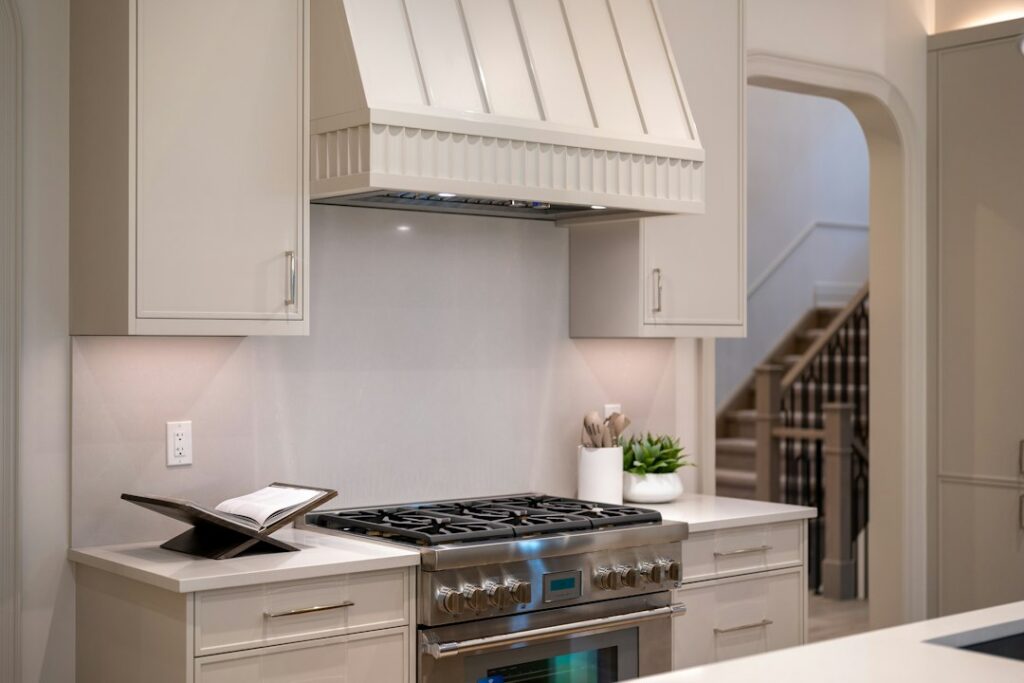
Short answer: Yes — but only partly. A portable air purifier with a true HEPA filter plus a substantial activated‑carbon stage will remove most particles from gas‑stove cooking and can cut many odors and some volatile organic compounds (VOCs). It will not reliably remove carbon monoxide and is a supplement, not a substitute, for a vent hood and safety detectors.
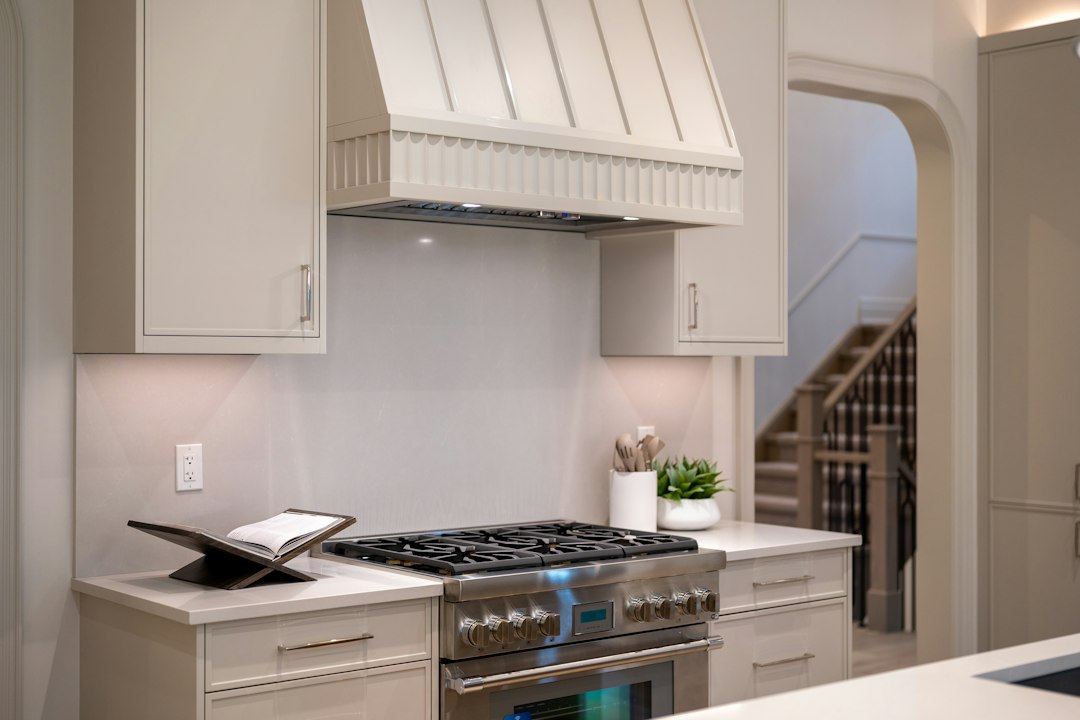
Why: how gas stoves pollute indoor air and what cleaners can do
Gas cooking produces three principal indoor contaminant types: fine and ultrafine particles (PM2.5 and smaller) from combustion and frying; combustion gases such as nitrogen dioxide (NO2) and, under malfunction/incomplete combustion, carbon monoxide (CO); and a complex mix of VOCs and odorous compounds (aldehydes, hydrocarbons, etc.).
Filter technology addresses those categories differently. True HEPA filters capture particles very effectively down to the ultrafine range by interception, diffusion and impaction. They do not affect gases or vapors. Activated‑carbon (and other chemisorption) beds adsorb many VOCs and some reactive combustion gases, but effectiveness depends on carbon mass, pore structure, pollutant type and the air’s contact time with the carbon. Small or thin carbon layers used only for odor masking perform poorly for higher concentrations such as sustained NO2 from a stove.
Because purifiers treat air in the room rather than halting emissions at the burner, they reduce exposure but do not eliminate on‑site generation. For safety‑critical gases—especially CO—you need detectors and source control (venting, maintenance, immediate repair) rather than reliance on a portable cleaner.
What filter components matter (quick reference)
| Pollutant | How common from gas stoves | How well a portable air purifier helps | Actionable guidance |
|---|---|---|---|
| PM2.5 / ultrafine particles | Produced by combustion and high‑heat cooking | Very effective if purifier has a true HEPA and adequate CADR | Pick a HEPA unit sized for the space (see AHAM/CADR); run on high while cooking and 15–30 minutes after |
| VOCs and cooking odors | Common; composition varies by food and temperature | Moderately effective with substantial activated carbon (performance varies) | Choose models with thick carbon beds or dedicated gas cartridges; replace cartridges per manufacturer |
| Nitrogen dioxide (NO2) | Emitted directly during combustion | Limited — some reduction possible with large carbon beds but not consistently reliable | Prioritize outdoor venting; consider occasional NO2 monitoring for persistent exposure |
| Carbon monoxide (CO) | Possible with incomplete combustion or appliance fault | Not effective — purifiers should not be used for CO safety | Install and maintain CO detectors; service appliances and call your utility for suspected leaks |
Practical steps (ranked) to reduce gas‑stove pollution
- Ventilate to outdoors. An exhaust hood that vents outdoors and runs on high while cooking is the single most effective control for gases and particles at the source.
- Install detectors and monitor if needed. CO detectors are essential; if you’re concerned about chronic NO2 exposure (small homes, frequent cooking), consider a NO2 monitor or short‑term testing.
- Use a properly specified portable cleaner. Add a room air purifier with true HEPA plus a substantial activated‑carbon stage sized for the kitchen or the adjacent living area. Run it on higher speeds during and for 15–30 minutes after cooking.
- Optimize placement and airflow. Put the purifier where it can intercept expelled air from the stove but clear of heat and grease buildup—typically on the counter or a nearby open surface, not enclosed under cabinetry or behind the stove.
- Maintain appliances and practices. Use correct burner size, avoid overheating fats, and schedule professional servicing if burners flame irregularly or smells suggest incomplete combustion.
Choosing a purifier: practical criteria
For particles, look for a true HEPA filter and an AHAM‑certified CADR appropriate to the room size. AHAM’s CADR values give an objective measure of particle removal; higher CADR shortens the time to reduce fine particles. For gases, prioritize units with a large activated‑carbon bed or replaceable gas cartridges designed for VOCs and acidic gases—thin “odor” pads are usually inadequate.
Examples from the market illustrate scale and intent: the IQAir GC MultiGas XE combines HyperHEPA with a significant multi‑carbon cartridge and is specified for large rooms (manufacturer lists coverage ~1,125 sq ft), offering stronger gas removal capability for homes where sustained VOC/NO2 control is desired. An Airpura unit such as the C600DLX focuses on HEPA particle removal and can be paired with specialty carbon blends for gas control. For small, personal odor control, products like the Smokebuddy are designed only for exhaled smoke and are not a substitute for room‑scale filtration or ventilation.
Common misunderstandings and exceptions
A purifier will not replace your range hood
Ventilation that removes combustion products outdoors is still the primary control. Purifiers treat air after pollutants disperse and cannot prevent initial peaks at the cooktop.
“Activated carbon” is not a single guarantee
Not all carbon filters are equal. Effectiveness depends on carbon mass, type (catalytic or impregnated carbons for acidic gases), and airflow design. Manufacturers sometimes quote vague “odor reduction” claims without specifying carbon weight or tested removal rates.
CO detection is non‑negotiable
Even a high‑end gas‑rated purifier will not provide safety protection from carbon monoxide. Install battery‑backed CO alarms near sleeping areas and follow local code for detector placement.
Small novelty devices aren’t enough
Personal or novelty purifiers lack the flow and filter mass to affect room‑scale exposures from cooking. Use a room air cleaner sized for the space instead.
Related questions
Do air purifiers remove carbon monoxide?
No. Portable HEPA and carbon purifiers are not reliable for CO removal; use detectors and source control. For more detail, see our page on Do Air Purifiers Remove Carbon Monoxide?
Do air purifiers help with cooking smoke?
Yes for particles—HEPA filters work well—but they don’t stop gas emissions. See Do Air Purifiers Help With Cooking Smoke? for guidance on selecting CADR and placement.
Which purifiers are best for cooking smells?
Choose a model that combines HEPA and a substantial activated‑carbon stage; for comparison shopping, consult our round‑up: Best Air Purifiers for Cooking Smells (2026).
Sources and further reading
- U.S. EPA — Air cleaners and air filters in the home (practical guidance on HEPA, carbon, and ventilation).
- AHAM — CADR testing and certification (use CADR to compare particle removal performance).
- Peer‑reviewed literature has examined indoor NO2 and cooking emissions; consult environmental health journals for study‑level evidence on exposure and health associations.
If you want a short next step: prioritize a working outdoor‑venting hood or open windows while cooking, install CO detectors immediately, and if you plan to buy a purifier for the kitchen area pick a true HEPA unit with a documented carbon gas stage sized for your room—see our buying guide at Best Air Purifiers for Cooking Smells (2026).
Sources: Air Purifier Gas Stove
To keep our Air Purifier Gas Stove information accurate, we rely on independent references such as the EPA’s indoor air quality resources, AHAM Verifide CADR data and manufacturer spec sheets. See how we evaluate air purifiers and our editorial policy for details.
