

Afloia
Afloia Air Purifier for Large Rooms Up to 2,000 Sq. Ft. with PM2.5…
BrandAfloiaCoverage2,000 sq ft
$99.99
View product details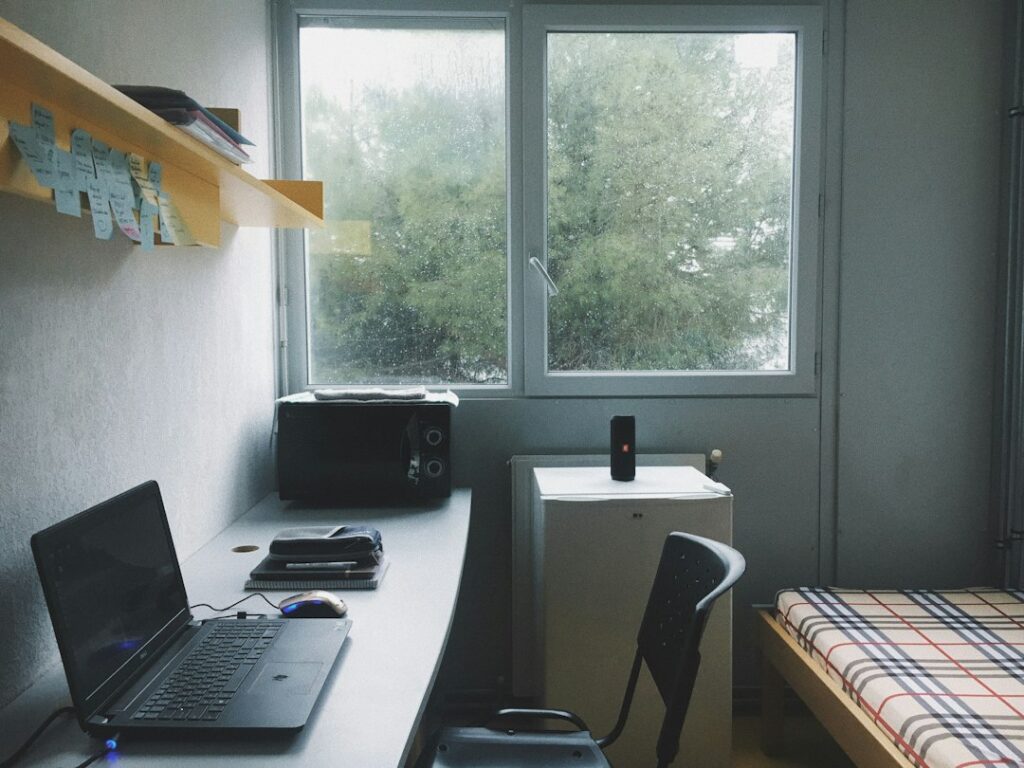
Product information comes from the current AirPurifierFAQ catalog and should be verified on Amazon before purchase.



SIESEAN Air Purifier is our #1 pick for dorm rooms — it uses a True HEPA filter, runs whisper-quiet for sleep or study, and has a compact bedside/desk footprint that fits most dorm layouts. Good balance of filtration and convenience for shared living.
Selection here is tailored to dorm-room realities: limited floor area, close proximity to sleepers and study areas, shared living rules, and simple maintenance. We prioritized the following factors and only used manufacturer-supplied product facts for each pick.
Why it made this list: the SIESEAN balances a True HEPA filter with a compact, desk/nightstand-ready body and bedroom-focused features (whisper-quiet claim, timer, and three fan speeds). It also offers an aromatherapy pad for users who like a scented sleep environment.
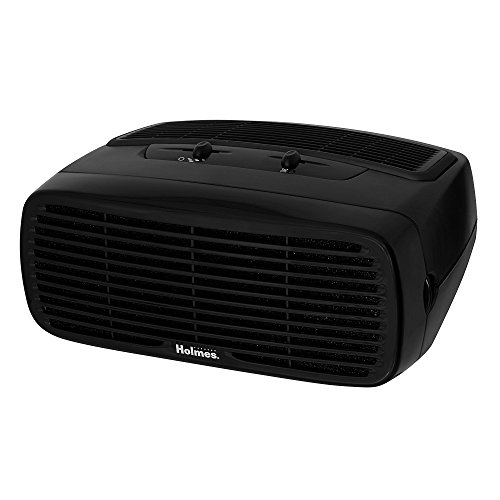
Why it made this list: Holmes is a recognizable appliance brand, and this desktop model is explicitly sized for very small rooms and desktops. It provides a quantifiable CADR and HEPA filtration in a slim form factor.
Why it made this list: very small, budget-friendly, and focused on odor and smoke reduction using replaceable activated-carbon pads. Good for travelers or students who need a plug-and-play device for immediate odor relief.
Why it made this list: similar positioning to the AuroraTurn, Silanit offers replaceable activated-carbon pads in a quiet, travel-friendly package. It’s explicitly described as not suitable for heavy smoke or medical use.
Why it made this list: ormos offers a rechargeable, USB-powered tabletop purifier with a washable filter and claims of quiet operation—useful where ongoing filter costs are a concern.
Why it’s here: Afloia lists a high CADR and very large coverage claim. While this capability is not necessary for most dorm rooms, students who live in larger shared apartments or have heavy indoor sources of pollution may consider it.
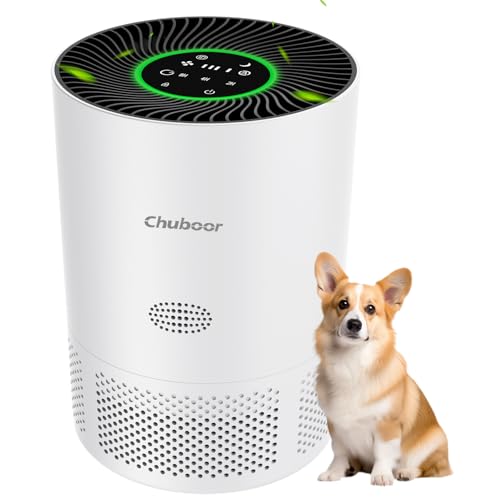
Why it’s here: Chuboor’s unit claims True HEPA filtration and large coverage, making it suitable for a big studio or apartment. For conventional dorm spaces, it is often larger than necessary.
Manufacturer claims indicate strong odor-removal performance via ozone, but ozone generators pose clear safety considerations. The manufacturer explicitly states the device must be used only in unoccupied spaces and to ventilate thoroughly before re-entry.
There are three practical axes for picking a dorm-room purifier: particle filtration (HEPA), odor/smoke control (activated carbon), and portability/power (USB or rechargeable). Understanding tradeoffs here clarifies what to expect from each of the picks above.
True HEPA captures very small particles (including most common allergens and many smoke particles) and is the recommended mechanical solution where particle removal is the goal. SIESEAN and Chuboor are listed with True HEPA filters; Holmes offers HEPA-type filtration and a published CADR (70), which helps estimate real-world performance in a small bedroom. If particle and allergen removal are priorities, choose a HEPA-based unit.
Carbon and washable pads excel at reducing light odors, VOCs from fragrances or cooking, and mild cigarette or food smoke odors at close range. They do not substitute for True HEPA when fine-particle removal is required. Carbon-pad minis are often the smallest, quietest, and least expensive to buy; washable filters remove the expense of replacements but usually sacrifice some fine-particle capture efficiency.
High CADR units are faster at purifying larger volumes of air. Afloia’s CADR 280 and Chuboor’s large coverage claims are useful if you are in a multi-room apartment or need to address substantial particulate sources (wildfire smoke). For a single dorm bedroom, a high CADR unit can be useful but may be overkill in size, noise (on higher fan speeds), and cost.
Although ozone can react with and remove certain odors, manufacturers of ozone generators emphasize that these devices must only be used in unoccupied spaces and must be ventilated afterward. Because dorm rooms are occupied and often small, ozone generators are not appropriate for routine dorm use. Choose HEPA + carbon instead.
For a typical dorm room (80–250 sq ft), a small-to-medium tabletop purifier with a CADR in the 50–150 range is generally sufficient to provide noticeable particle reduction when placed near the primary breathing zone (desk/nightstand). Holmes publishes a 70 CADR and is sized for ~109 sq ft, which aligns with small rooms. SIESEAN claims 500 sq ft coverage but doesn’t publish CADR; as a bedside device it will provide localized purification suitable for most dorm rooms.
Sleep modes and explicit dB claims are important if you need silence for study or sleep. Afloia and ormos provide dB figures (26 dB and 36 dB respectively in certain modes). Units that list “whisper-quiet” or “sleep mode” are typically optimized for lower fan speeds; expect reduced cleaning speed at those settings.
Tabletop purifiers should sit on a nightstand or desk, with unobstructed intake and outflow. USB and rechargeable models (ormos, AuroraTurn, Silanit) add flexibility—handy for moving between campus rooms or travelling home during breaks. If you place the purifier on the floor, be mindful of dust accumulation; elevated placement can improve personal breathing-zone performance.
Many manufacturers do not publish annual filter pricing. Washable-filter units (ormos) eliminate regular purchases but may require more frequent cleaning. Carbon pad minis include multiple pads; manufacturers describe reusing pads after drying. If budget for recurring filter replacements is a concern, choose washable filters or models with inexpensive, widely available replacement filters. Where the manufacturer does not disclose filter costs, expect variability and check the product page or retailer for exact replacement part numbers and prices before buying.
The SIESEAN includes an essential-oil pad. If you share a room, check roommates’ preferences and any dorm rules governing fragrances; essential oils can be irritating for some people. Using the aromatherapy feature increases maintenance (cleaning the pad or replacing it) and can reintroduce volatile compounds that a carbon filter would otherwise help remove.
We rely on manufacturer-supplied facts for every product listed on this page. Several common industry metrics—most notably CADR and published filter-replacement costs—are missing for some models. Where CADR is not supplied, we note that limitation and recommend looking for third-party CADR tests or credible retailer specifications if a direct comparison is essential to your decision.
Also note that manufacturer coverage claims (square footage) reflect ideal conditions. Real-world performance depends on room layout, furniture placement, door openings, and occupant behavior.
For most dorm students focused on quiet sleep, allergen and particle reduction with a small footprint, SIESEAN (True HEPA, bedroom-focused features, timers and claimed whisper-quiet operation) is the best balance of filtration and convenience. If you want a documented small-room CADR and a trusted brand name, the HOLMES Desktop HEPA-Type unit gives a measurable CADR (70) and is optimized for very small spaces.
For those whose principal concern is odor or close-range smoke (kitchenettes, hot pots), AuroraTurn or Silanit can be useful, inexpensive, and portable carbon-pad solutions. Or choose ormos if you want no recurring filter purchases thanks to washable filters and USB rechargeability.
Afloia and Chuboor are larger-capacity machines designed for bigger rooms or apartments—effective but often more than is necessary in a standard dorm room. Manfh’s ozone generator is not appropriate for occupied dorms due to its required unoccupied operation and ventilation procedure; this listing is included only to make that limitation clear.
Policies vary by residence hall and university. Many campuses permit compact tabletop purifiers but prohibit devices that produce heat above certain thresholds or use open heating elements. Ask your residence life office or consult your housing policies; choose compact, low-power models and keep cords and placement safe. For more on rules and a broader buying guide, see our general Air Purifier FAQ and the overview pages on best purifiers for small rooms.
Mini USB purifiers (activated carbon pads or washable filters) can help with local odor reduction and light smoke at close range but usually do not match True HEPA units for fine-particle removal (allergens and many smoke particles). Use mini units as supplemental, portable solutions rather than as your primary defense against fine particulates.
Match the purifier’s published coverage or CADR to your room size. For a typical dorm bedroom (80–250 sq ft), a small-to-medium bedside or desktop purifier is sufficient. A model with an explicit CADR (e.g., Holmes at 70 CADR) gives a clearer expectation of performance. Where CADR is not provided, rely on manufacturer coverage claims and choose units sized for bedrooms rather than whole-home devices.
Manufacturer guidance varies. Washable filters (ormos) should be cleaned according to the product manual; carbon pads in mini units are often reusable after air-drying per the manufacturer. Replace True HEPA filters on the schedule recommended by the manufacturer or sooner if you notice reduced airflow or odours. Because many manufacturers do not publish replacement costs, check the product page for part numbers and pricing before purchase.
No. The Manfh listing explicitly states it must be used only in unoccupied spaces and that people, pets and plants must be kept away. For occupied spaces like dorm rooms, choose mechanical filtration (True HEPA plus activated carbon) rather than ozone-generating devices.
Some models (SIESEAN) include aromatherapy pads. If you share a room, check with roommates and be aware that scenting increases volatile compounds in the air. Using essential oils regularly may require additional maintenance (cleaning pads and filter areas). If allergies or sensitivities are a concern, skip the aromatherapy feature.
Air purifiers reduce airborne particles and can improve perceived air freshness, but their effectiveness depends on correct sizing, placement, and maintenance. Avoid ozone-generating devices for occupied dorms. Where product documentation omits CADR or filter-cost information, treat manufacturer coverage claims as best-case scenarios and seek clarification from retailers before purchase if the missing data is critical to your decision.
CADR gives a measurable expectation of particle removal; Holmes’ listing of 70 CADR is an example of that transparency. Coverage claims (like SIESEAN’s 500 sq ft) are manufacturer-stated and can exceed typical dorm sizes. If CADR isn’t provided, verify the manufacturer’s test method or look for units intended for bedside/desk use for realistic performance in 80–250 sq ft rooms.
The page notes the aromatherapy pad can reintroduce volatile compounds if used frequently. Check your dorm’s scent and ventilation policies first; if you have sensitivities, avoid regular use. For specific safety or ingredient concerns, verify with the manufacturer about what the pad contains and any guidance on safe frequency of use.
The guide highlights portability as a dorm priority, but the listed manufacturer facts show plug-in operation for AuroraTurn and Silanit and do not state USB/battery for other picks. Don’t assume rechargeable/USB power—confirm each model’s power type (USB, rechargeable battery, or AC plug) with the product specification before buying.
Replacement or cleaning intervals aren’t listed on this page. The guide does note washable filters as a low-maintenance option and that AuroraTurn and Silanit include multiple replaceable carbon pads (10 and 5, respectively). For exact lifespans and replacement costs, check the manufacturer’s stated filter life and replacement part availability.
The page flags optional ionizers as a user choice and explicitly excludes devices that require unoccupied operation (ozone generators). Before enabling an ionizer, confirm with your dorm’s rules and the manufacturer whether the feature produces ozone or other byproducts. If you prefer strictly mechanical filtration, choose a HEPA-only setting or model.
For dorm layouts, the guide favors compact bedside/desk placement. Place the unit on a nightstand or desk near the breathing zone for sleeping or studying, avoid blocking intake/exhaust vents, and keep walkways clear. Odor-focused carbon units work best near the source (a small cooking area or trash), while HEPA units are effective when placed close to where you spend most time.
Answers are educational and may link to relevant guides or products on this site. Product facts can change, so confirm current details before purchase.
